HomeCategory

Nationwide Sureties

Leading hydrogen technology company ULEMCo has announced the launch of HyConstruct, an industry wide collaborative R&D project aimed at significantly reducing CO2 emissions from heavy-duty off-highway equipment used on construction sites. The company and its partners – GeoPura, Plantforce, BAM and BRE – will work to develop and demonstrate an advanced control system to increase the proportion of energy coming from the company’s globally innovative hydrogen dual-fuel technology, and to accelerate the decarbonisation of the UK construction sector.

The year-long project, which begins this month, is supported by funding from the Advanced Propulsion Centre (APC) via its Advanced Route to Market Demonstrator 4 (ARMD4) programme. HyConstruct will develop and demonstrate the cutting-edge control system designed to substantially increase the hydrogen substitution rate in heavy machinery, and ultimately make investment in the transition to low-carbon in construction more commercially viable.

HyConstruct Targets Real-World Carbon Cuts on Construction Sites
Image: ULEMCo

HyConstruct builds directly on the success of the recent DESNZ-funded Element1 project, which established hydrogen dual-fuel as a practical and viable ‘stepping-stone’ technology toward 100% hydrogen-powered construction equipment, enabling displacement rates of diesel with hydrogen that delivered significant CO2 reduction and demonstrated the full hydrogen supply chain approach to zero-carbon fuel on site.

HyConstruct will focus on applying advanced control algorithms and AI to the dual-fuel engine control system, that will increase the machine’s capability to use even more hydrogen. This will enable hydrogen consumption to be boosted to a level where the scale of use on site further improves the business case for wholesale plant upgrades and be competitive to diesel supply costs.

The advanced control system will be validated on real-world plant at a working construction site managed by consortium partner BAM, including upgrading Kobelco excavators previously enabled under Element1 with the new control system. And for the first time ever, a heavy-duty articulated dumper truck (ADT) supplied by Plantforce; essential pieces of equipment on construction sites that are notoriously difficult to decarbonise.

Hydrogen supply and logistics partner GeoPura will supply low-carbon hydrogen, off grid refuelling capability and zero emission power for the project via its HPU technology, enabling the safe and practical use of hydrogen-powered construction equipment, and creating a commercial foundation for large-scale hydrogen deployment in the sector. BRE will be responsible for learning capture and industry dissemination. The project will further test onsite refuelling and hydrogen supply options to ensure the whole-site feasibility of dual-fuel plant upgrades.

“Decarbonising construction plant is essential to support the UK’s net-zero goals, particularly as new energy infrastructure and construction investment is planned to drive economic growth”, said Amanda Lyne, Managing Director of ULEMCo. “Converting existing equipment to run on clean hydrogen points the way to saving the carbon from these machines now, as well as saving the embedded emissions from the actual construction phase itself.”

Alistair Gemmel, Chief Business Development Officer at GeoPura added: “HyConstruct is a significant next step in developing technology that demonstrates that zero-carbon fuels can power heavy machinery without disrupting productivity. By supplying and managing the hydrogen used on site, we’re helping the consortium prove how hydrogen can be safely and efficiently integrated into construction operations, which will ultimately bring the construction sector closer to being both commercially and environmentally sustainable.”

As an APC ARMD project, the upgraded hydrogen-enabled machines are expected to be available for display at the CENEX Expo in 2026, showcasing the UK’s leadership in sustainable off-highway transport solutions.

Earlier this month, ULEMCo announced the first commercial sale of its HyTANKa® mobile hydrogen refuelling bowser.

Dynamic field service planning solution FLS VISITOUR has won the Best Decarbonisation Approach at a prestigious UK housing Awards.

Technology leader FLS – FAST LEAN SMART won a Housing Executive Award for innovation and efficiency for its focus on tangible environmental benefits and resident communication.

The inaugural Awards, which were held at Bolton Wanderers FC Stadium, celebrated FLS’ solutions to support the critical reduction of carbon emissions in line with the UK’s Net Zero goals.

FLS VISITOUR wins Best Approach to Decarbonisation at UK Housing Awards
(L-R) Winners of Housing Executive’s Best Decarbonisation Approach Award, Lee Hawkes, Senior Sales and Partnerships Manager, FLS – FAST LEAN SMART with Gareth Gathern, Head of Operations for category sponsors Cyd Innovation and Chris Welsh, UK Sales Director, FLS – FAST LEAN SMART

Across the UK housing sector, FLS VISITOUR enables DLOs and contractors to cut travel distances and emissions. AI-enhanced, algorithm-driven planning reduces wasted travel, helping field teams – from repairs and maintenance operatives to compliance inspectors and housing officers – reach appointments faster while lowering fuel use and carbon output.

FLS VISITOUR minimises no-access rates and is operative-friendly thanks to intelligent real-time optimisation, including same day and rapid response.

Typical results include a 30–50% cut in driving distances, boosting capacity by more than one extra appointment per shift, with SLA adherence rates as high as 99.5%.

Comments from the Judges included:

“The Judges were particularly impressed with FLS’ innovative scheduling and planning approach, which drives efficiencies and delivers a massive reduction in carbon emissions.

“Although the technology is there to help their customer with efficiencies and reducing their carbon footprint, there are also benefits to the tenant with real time information.

“This is an innovative technology where the customer is also engaged with their self-service portal.”

Jeremy Squire, UK Managing Director at FLS – FAST LEAN SMART, added: “The FLS team is proud to have won this prestigious Award which is testament to the innovation delivered by our development and consultancy teams, as well as the critical carbon reduction efforts and results that our users have achieved.

“With the recent addition of Wates Property Services, our customers provide repairs and maintenance services to two million properties across the UK and Europe. FLS is committed to supporting the housing and wider sectors to achieve efficiency through optimisation, with reducing driving distances and minimising wasted materials presenting a huge opportunity to address carbon footprints.

“It’s fantastic to be working with so many partners across so many sectors, which together are all helping us to realise this success, with our best-of-breed dynamic scheduling unlocking huge net zero value.”

FLS VISITOUR’s groundbreaking dispatching delivers lightning-fast route optimisation, which is continually updating in the background to provide the most efficient routing for all field service teams.

FLS VISITOUR also supports tenant satisfaction measures (TSMs) and Awaab’s Law response with intelligent features such as predictive, traffic-based driving times to ensure reliable service. The software designs valuable new ways of working such as reduced depot visits and allows planning teams to factor EV charging breaks into schedules.

A team of construction workers are taking part in suicide research to help others in the industry across the UK.

Construction team take part in suicide research
Evolution team members, along with family and friends took part in the launch of this year’s UK Baton of Hope tour in Blackpool on September 1

With construction among the industries with one of the highest suicide rates, staff from Evolution, based in Blackpool, are supporting research by a Lancaster University postgraduate student into how to prevent suicides in the UK construction industry.

JJ Fitzgerald, Managing Director of Evolution, who is supporting and encouraging any member of his team who wants to take part in the research, said: “The construction industry knows only too well, and all too often, the effect suicide has right across the community.

“We want to show our support and create an environment and a society where people feel safe to talk and seek help.

“By taking part in this research, we’re helping to shine a light on an issue that is too often kept in the dark, and we’re contributing to real, lasting change.

“We’re aiming to send a message that Evolution stands united in support of our colleagues, families and friends across the construction industry, in all workplaces, and throughout the wider community.”

Phoebe Savill, a trainee clinical psychologist and postgraduate researcher at Lancaster University, is researching experiences of suicidal thoughts in the UK construction industry.

Construction team take part in suicide research
Phoebe Savill, a trainee clinical psychologist and postgraduate researcher at Lancaster University

By backing Phoebe’s research Evolution is hoping other construction businesses across the UK will follow suit.

Phoebe is looking to those who have had suicidal thoughts 12 months or more ago, who were working in the construction industry at the time, to give up an hour of their time to talk with her as part of her research.

She is researching those who did not go on to attempt to take their own life, so she can understand what support has been helpful at reducing the number of suicides. Similar research in Australia has resulted in a reduction in suicides in the construction industry.

Phoebe said: “I hope this research will add to understanding why these rates in the UK construction industry are so high and what support and changes within the industry could be helpful.”

Recent research from the Chartered Institute of Building (CIOB), titled Understanding Mental Health in the Built Environment 2025, found that 28 per cent of respondents had experienced suicidal thoughts in the past year.

Construction team take part in suicide research
JJ Fitzgerald, Managing Director of Evolution

Last month Evolution supported a Fylde Coast Responsible Business Network event to launch this year’s Baton of Hope UK tour  a suicide awareness and prevention initiative founded by two bereaved dads. Evolution staff also took part in the tour in front of Blackpool Tower. The Baton of Hope will reach its London finish line on Friday (October 10), which is World Mental Health Day.

Evolution workers also took part in a charity fundraising stunt in the Irish Sea to raise awareness of suicide.

The Big Puddle Jump was organised by Empowerment Charity ahead of the launch of the UK Baton of Hope tour in Blackpool on September 1.

Samantha Southern, Solace Suicide Prevention & Bereavement Manager at Blackpool-based Empowerment Charity, said: “Each life lost to suicide sends ripples through families, friends and communities—affecting an average of 135 people. Through the Big Puddle Jump, we aimed to create waves of hope, solidarity and change.”

Anyone in the construction industry who wants to find out more about taking part in Phoebe’s research is asked to contact her at p.savill@lancaster.ac.uk

The UK government’s pledge to deliver 1.5 million homes by 2029 has become one of the defining policy challenges of the decade. Current data show that, at today’s pace, only around half of that figure will be achieved.

Lanpro’s latest analysis suggests net additional dwellings in 2024–25 totalled just 196,500 — far below the 300,000-a-year average needed to hit the target. With housing delivery already running 10 percent below the ten-year trend, the total shortfall could exceed 850,000 homes by the end of the parliamentary term.

The situation is particularly acute in London and the South East, where housing need is highest. In these regions, completions are meeting just 35 to 47 percent of demand. By contrast, parts of the Midlands and the North have exceeded local targets, but those gains cannot offset the chronic under-supply in the south.

Why Is the UK Missing Its Housing Target?

Planning Delays and Policy Fragmentation

The planning system remains one of the biggest barriers to meeting housing targets. Prolonged decision times, inconsistent local policies and stretched planning departments all slow the process. Many local plans are years out of date, and authorities are struggling to align housing allocations with infrastructure and environmental requirements.

The government’s proposed reforms to the National Planning Policy Framework (NPPF) could streamline delivery, but until local authorities have the resources to process applications efficiently, delays will persist. Developers, too, are cautious about submitting large-scale proposals without planning certainty.

A Market Under Pressure

The private sector delivers most new homes in England, but economic headwinds are curbing output. Rising construction costs, high borrowing rates, and weaker buyer confidence have made new developments less viable. Analysts estimate the private sector will struggle to exceed 170,000 completions annually under current conditions.

At the same time, housing associations and local councils face borrowing constraints and high remediation costs, limiting their ability to build affordable homes. This combination has created a delivery vacuum at both ends of the market.

Social Housing Shortfall

Affordable and social housing supply has declined sharply over the past decade. To meet national demand, experts argue that 90,000 new social homes need to be built every year — a figure far beyond current delivery levels. Without a significant expansion in public investment, the affordable housing crisis will deepen.

Skills and Infrastructure Deficits

Labour shortages and stretched supply chains are now structural problems within the UK construction industry. Even if planning reform unlocked new sites, the sector lacks the skilled workforce to build at the required scale. Simultaneously, infrastructure constraints — from schools to transport and utilities — make large new developments difficult to deliver.

Forecasts Paint a Grim Picture

Across multiple independent analyses, the conclusion is consistent: the 1.5 million homes target will be missed by hundreds of thousands.

  • The Office for Budget Responsibility projects roughly 1.3 million completions by 2029.
  • Savills forecasts delivery closer to 1.0 million, equating to a 500,000-home shortfall.
  • The National Housing Federation echoes this figure, warning the UK could miss its target “by half a million homes” without immediate policy action.

The pattern is clear: at the current rate, the UK will build only two-thirds of what’s required.

Closing the Gap: What Needs to Change

  1. Comprehensive Planning Reform

To unlock delivery, the UK must implement faster, more predictable planning processes. This means:

  • Introducing binding local housing targets monitored at national level.
  • Releasing more land through greenbelt and grey belt reviews where sustainable.
  • Simplifying local plan adoption and ensuring all authorities maintain up-to-date frameworks.

Without these reforms, private developers will continue to face uncertainty, and public housing bodies will struggle to plan long-term investments.

  1. Reinvestment in Social Housing

Delivering the government’s housing ambition will require a major public sector build programme. Funding must be directed toward housing associations and councils to enable new developments at scale.

Public land, particularly brownfield sites owned by local authorities, should be repurposed for mixed-tenure schemes, ensuring affordable housing remains central to every development plan.

  1. Stimulating Buyer Demand

To encourage home ownership and stimulate the construction market, policymakers should consider:

  • Mortgage guarantees and equity loans for first-time buyers.
  • Stamp duty relief on new-build homes.
  • Flexible tenure models, such as rent-to-buy or shared ownership, to support those priced out of the market.
  1. Building Skills and Infrastructure

Meeting housing demand also requires investment in people and places. Expanding construction apprenticeships, improving material supply chains, and aligning infrastructure funding with housing growth areas will ensure delivery remains sustainable.

The Road Ahead: Turning Targets into Homes

The government’s 1.5 million homes target remains achievable — but only with decisive action. Meeting it will demand a combination of planning reform, public investment, market stability, and skills growth.

It’s not enough to set targets; the UK must shift to delivery mode. That means empowering local authorities, funding affordable housing properly, and coordinating national infrastructure with regional housing need.

If these steps are taken, the UK could still reverse the trajectory — transforming political ambition into tangible homes for the next generation.

In its first year in office, the Labour government has overseen a record-breaking number of infrastructure approvals, setting a new pace for national investment. The decisions taken span across energy generation, transport upgrades, aviation expansion, waste management facilities and water treatment. Together, they mark a significant step in reshaping the UK’s physical and economic landscape.

Key Figures and Highlights

Within the first twelve months, twenty-one major projects received approval, more than any equivalent period in recent history. This represents a major start on the government’s “Plan for Change,” which sets a target of 150 major decisions across the parliamentary term. Among the approvals are the Lower Thames Crossing, valued at an estimated £9 billion, the £2.2 billion expansion of Gatwick Airport, and the Simister Island improvements at the M60, M62 and M66 interchange. These flagship projects sit alongside a host of renewable energy developments, demonstrating that the government’s ambitions are not only broad but also strategically aligned with its climate commitments.

Energy and Renewable Power

A significant share of approvals in Labour’s first year focused on renewable energy. Major solar developments, including the Gate Burton Energy Park, the Mallard Pass Solar Project, the Sunnica Energy Farm and the Heckington Fen scheme, will expand the UK’s clean power generation capacity. Additional approvals such as the Cottam and West Burton projects further consolidate solar as a cornerstone of the energy transition. Offshore wind received strong backing, with projects like Rampion 2, the Mona Offshore Windfarm and the Morgan Offshore Wind farm gaining the go-ahead. This wave of energy approvals underscores Labour’s commitment to strengthening energy security while progressing towards net-zero targets.

Transport and Connectivity

Transport infrastructure also features heavily in the government’s first-year decisions. The Lower Thames Crossing, designed to ease congestion and improve freight movement between Kent and Essex, represents one of the largest road projects of its kind. Improvements to critical junctions such as the Simister Island interchange and the M5 Junction 10 Upgrade are aimed at relieving traffic pressure points that have long frustrated drivers and logistics operators. Together, these projects support the smoother movement of goods and people while bolstering regional economies.

Aviation and Expansion

Air transport has also received a boost. Both London Gatwick and London Luton airports have been granted approval for significant expansions. These decisions reflect confidence in long-term growth in air travel demand and underline the government’s willingness to support the aviation sector as it seeks to recover from the impacts of the pandemic. The expansions are expected to increase capacity, support jobs and reinforce the role of aviation in connecting the UK to global markets.

Utilities, Waste and Water Management

Beyond energy and transport, a range of critical infrastructure approvals target utilities and environmental resilience. The Cambridge Waste Water Treatment Plant will undergo a major upgrade to support housing growth and improve environmental outcomes. Similarly, approvals for the Viking CCS Pipeline, the Immingham Green Energy Terminal and the Immingham Eastern Ro-Ro Terminal strengthen the UK’s industrial capacity and its ability to integrate carbon capture and low-carbon fuels into national systems.

Drivers Behind the Surge

The unprecedented pace of approvals reflects a deliberate policy reset. Labour has sought to streamline planning rules and accelerate decision-making, placing infrastructure delivery at the heart of its Growth Mission. Economic stimulus is a central motivation, as these projects are expected to generate construction contracts, support thousands of jobs and activate supply chains nationwide. At the same time, climate policy pressures have necessitated rapid investment in renewable energy and carbon capture facilities, ensuring that the UK can meet both energy security needs and environmental obligations.

Challenges and Risks

While the surge in approvals is notable, delivery is far from guaranteed. Large-scale infrastructure projects often face environmental challenges, with legal objections and habitat protections slowing progress. Financing remains a critical issue, as inflationary pressures and global competition for capital could affect project viability. The construction sector itself must contend with labour shortages, skills gaps and supply chain pressures, which threaten to undermine delivery schedules. Governance also remains complex, requiring coordination across central government, local authorities and regulators to prevent bottlenecks.

Implications for Stakeholders

For developers and investors, the increase in certainty around approvals encourages long-term planning and reduces perceived risk. Local authorities and communities, meanwhile, must prepare for heightened consultation demands and the delivery of associated local infrastructure. For the construction and engineering sectors, the approvals translate into concrete opportunities to expand operations, recruit skilled workers and pursue regional growth strategies. Policymakers and regulators must ensure that the new pace of approvals is matched by robust governance, transparency and accountability mechanisms.

Outlook for UK Infrastructure

The first year of Labour’s administration has set a clear precedent: infrastructure delivery is to be accelerated and scaled. With 129 major approvals still required to meet the government’s stated target, the coming years will test both the resilience of planning reforms and the capacity of industry to deliver. Net-zero ambitions will demand increased focus on carbon capture, grid modernisation and renewable expansion, while pressures on cost and supply chains will continue to test delivery. If the current momentum can be maintained, the UK could enter a period of unprecedented infrastructure development, reshaping the economy and the built environment for decades to come.

The construction industry faces an escalating safety crisis as unqualified contractors continue to perform specialist work without proper certification or training. The Building Engineering Services Association (BESA) and the Thermal Insulation Contractors Association (TICA) have issued a stark warning regarding the dangers of multi-trade firms operating beyond their competencies. Recent investigations have highlighted the severe consequences of such practices, including increased health hazards and fire risks.

Specialist Work Requires Verified Competence

Projects carried out by non-accredited contractors frequently involve complex installations, such as ductwork and thermal insulation. Poorly executed work in these areas can lead to serious structural and environmental issues. One cited case revealed ducting installations with inadequate insulation, causing rapid condensation, mould growth, and subsequent health hazards. The presence of mould can escalate within 24 to 48 hours, spreading spores throughout affected areas, significantly endangering residents’ health and wellbeing.

Nathan Wood, BESA’s London & South East regional chair, emphasised that price pressures often force clients to engage multi-trade contractors, whose lack of specialised knowledge results in substandard installations. “Specifications are frequently value engineered, pushing multi-trade firms to compete on price rather than expertise, creating a high-risk environment,” he stated.

Unqualified contractors pose critical safety risks
Image by Pawel Szymczuk from Pixabay

Implications of Awaab’s Law on Contractor Competence

The forthcoming implementation of Awaab’s Law in October 2025 underlines the importance of verified contractor competence. Named after two-year-old Awaab Ishak, who tragically died due to prolonged mould exposure, the law imposes strict deadlines on landlords to resolve damp and mould issues. However, without trained and accredited professionals, the legislation risks becoming a procedural formality rather than an effective safeguard for public health.

Fire Hazards from Improper Insulation

Beyond mould and condensation, incorrect installation of flammable materials has emerged as a pressing concern. The use of non-certified Polyisocyanurate (PIR) boards in ductwork, which can possess Euroclass E or F fire ratings, exemplifies the heightened fire risks associated with unqualified work. Chris Ridge, TICA’s technical director, stresses that a competent insulation specialist would avoid such hazardous applications. The failure to verify contractor capabilities often results in these dangerous oversights, endangering both buildings and occupants.

The Need for Rigorous Contractor Vetting

Both BESA and TICA call for stringent verification of contractor qualifications and organisational capabilities before awarding contracts for safety-critical projects. Ensuring that all operatives are properly trained and accredited is essential not only for compliance but for safeguarding residents and building users. Organisations must adopt thorough vetting procedures, evaluating prior project experience, certification credentials, and adherence to industry safety standards.

Moving Towards a Safer Construction Sector

Addressing these risks requires a cultural shift within the construction sector, prioritising safety and expertise over cost-cutting. Multi-trade contractors must operate transparently, with clients rigorously assessing their capacity to execute specialised work safely. Industry associations recommend continuous professional development and mandatory accreditation for all workers performing high-risk installations, fostering a culture of competence and accountability.

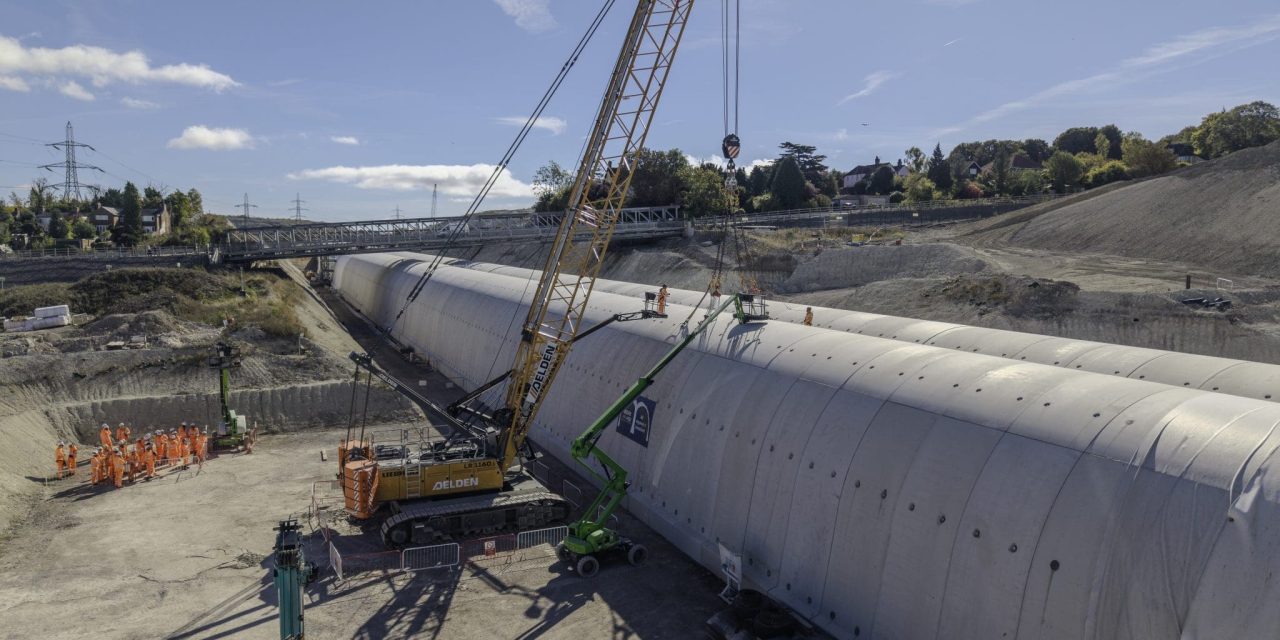
Since the A417 Missing Link scheme hit the ground in Spring 2023, there have been nearly 2,000,000 hours of work with no RIDDOR reportable incidents – that’s the equivalent of 8,300 days of keeping workers safe on site.

Excellent safety record on the A417 Missing Link scheme

A RIDDOR reportable incident refers to Health & Safety Executive (HSE) Regulations, which must be followed if a serious incident, or specified injury, or fatality occurs, and is a standard measure across construction to monitor safety performance, all of which could mean delays to the scheme’s delivery.

Around 500 people each day are working on the £460 million transformation of the A417, an important route between Gloucester and Swindon that helps connect the Midlands/North to the South of England. It’s an alternative to the M5/M4 route via Bristol.

Since work began, the improvements scheme has also:

  • poured over 3,050 cubic metres of concrete
  • moved 1.6 million m3 of earth
  • laid 18km of drainage pipes
  • fitted 1,682 tons of reinforced and structural steel
  • laid 10,000 tons of road surfacing
  • progressed building six new bridges

Contractor Kier is carrying out the work for National Highways and is aiming to have the project open for traffic in Spring 2027.

Excellent safety record on the A417 Missing Link scheme
Cowley Lane overbridge bridge lift

Celine Acard, Senior Project Manager for National Highways, said: “Safety is always the number one priority for National Highways. We think nobody should be harmed while travelling or working on our roads and do all we can to try to make that happen.

“For our contractors, Kier, to record over two million working hours without a serious incident is a fantastic achievement. We are pleased that the stringent safety measures put in place on site are paying dividends, and I’m confident that it will continue to do so.”

RIDDOR, which stands for the Reporting of Injuries, Diseases and Dangerous Occurrences Regulations 2013, is a UK law that requires employers and those in control of work premises to report certain workplace incidents HSE. This includes work-related deaths, injuries, specified occupational diseases, and dangerous occurrences (near misses).

Gavin Jones, Project Director for Kier, added: “The health and safety of our people and supply chain is our number one priority, so to see this reflected in this project by achieving no RIDDOR reportable incidents since 2023 is something I am extremely proud of.”

Among measures taken by contractor Kier to ensure safety include a robust Occupational Health and Safety Management system, with the procedures strictly enforced on site; numerous industry-leading, innovative and award-winning processes, tools, and equipment have been introduced to ensure the health, safety and well-being of all team members; an open and honest culture, where everyone on the project has a voice meant issues and concerns could be dealt with quickly; and lessons learned for improvement.

The landscape-led A417 scheme is not only creating a vital transport link in the Cotswolds, but also incorporates world-class environmental practices that respect and enhance the surrounding landscape and habitats, including:

  • four miles of new dual carriageway connecting the existing A417 Brockworth bypass with the existing A417 dual carriageway south of Cowley
  • a section to the west of the existing Air Balloon roundabout that will follow the existing A417 corridor. However, the section to the south and east of the Air Balloon roundabout will be offline, away from the existing road corridor
  • a new junction at Shab Hill, providing a link from the A417 to the A436 towards Oxford and into Birdlip
  • a new junction near Cowley, to replace the existing Cowley Roundabout
  • the existing A417 between the Air Balloon roundabout and the Cowley Roundabout is being repurposed. We are converting some lengths of this existing road into a route for walkers, cyclists and horse riders, while retaining other sections to maintain local access for residents.

The latest information on the scheme is available at National Highways’ A417 Missing Link.


GTG Training has announced that it will be delivering construction courses from its state-of-the-art training centre in Glasgow.

This move comes in response to the growing demand in the industry to meet workforce needs.

The Glasgow training centre will provide high-quality education and hands-on experience for individuals pursuing careers in construction. With the industry’s recent growth, such training initiatives are vital for ensuring there is a well-equipped workforce to handle future challenges.

Construction growth focusses on private housing, infrastructure and repair and maintenance. The new courses offered at GTG will cover a wide range of skills and disciplines – including Lifting Operations, Plant Operator, Site Safety Plus, Working at Height, Vocational Qualifications and Construction Health and Safety.

GTG Glasgow deliver accredited construction courses to meet 2028 demand
Image: GTG Glasgow

The courses are aimed at those who are looking to gain employment in the construction industry or who want to upskill or refresh their current training. Whether it’s working with heavy machinery, working at height or even refreshing health and safety knowledge, there’s a large selection of construction courses to choose from.

The team at Glasgow training centre recently delivered the first NPORS Appointed Person course – a five-day course that teaches delegates to safely and effectively plan lifts, as well as the legislation and regulatory requirements for being an ‘appointed person’ for planning lifts.

While working with an experienced team of instructors at their industry-leading facilities, delegates can be safe in the knowledge that they are getting the best learning experience, as GTG Training has been accredited by NPORS and are now a CPCS test centre in partnership with CAT Solutions, two leading awarding bodies in the construction industry.

Pauline Bryan, GTG Operations Manager, said: “The addition of construction courses significantly enhances our training offering and is just the beginning of our commitment to the industry. We are also planning to expand our training facilities to accommodate more hands-on, practical courses, ensuring that our students are well-prepared for the demands of the sector.”

From Plant Operator and Construction Health and Safety to Senior Management qualifications, GTG has a range of courses and qualifications available to suit individual needs in their training centres in Glasgow, Edinburgh and Wolverhampton.

With years of practical experience and an in-depth knowledge of industry standards, GTG’s expert trainers are dedicated to providing a high standard of practical, hands-on training and theoretical learning, as well as on-site assessment.

Severfield plc, one of the UK’s largest structural steel specialists, has confirmed an £18 million financial hit linked to remedial work on two defective bridges. The announcement has sent ripples through the infrastructure sector, raising fresh concerns over quality assurance, design review processes, and long-term risk exposure in public infrastructure delivery.

The fault, reportedly due to incorrect design assumptions and insufficient load assessments, affects a major logistics infrastructure project—though the client remains unnamed for legal reasons. These issues, detected only after installation, necessitated partial demolition and redesign, sparking a significant cost liability for Severfield.

Timeline of the Project Failure and Financial Fallout

Severfield revealed that the structural issues were discovered during post-installation load testing, which highlighted unacceptable deflections and potential long-term fatigue problems. The bridges, now subject to redesign and reinforcement, were initially hailed as flagship components of a key logistics corridor supporting freight and HGV distribution.

The company has since reached a confidential agreement with the client to jointly address the fault and mitigate further losses, though Severfield will absorb the majority of the remediation cost. Speaking to investors, Severfield noted: “We deeply regret the disruption caused by these bridge defects and are taking all necessary steps to strengthen our quality assurance and engineering oversight.”

This setback contributed to a reduction in Severfield’s adjusted operating margin, which fell to 5.4% from 6.4% the previous year, despite a modest revenue increase to £491.5 million. The total exceptional cost linked to the faulty bridges accounted for more than half of the company’s adjusted profit before tax, which was reported at £32.5 million for the year ending March 2025.

Structural Oversight and the QA Gaps Exposed

While Severfield did not explicitly blame external parties, it acknowledged that flaws emerged from a combination of design misinterpretation and inadequate stress testing. Industry insiders suggest that the issues could point to broader failings in structural engineering validation, especially for complex bridge designs exposed to heavy commercial vehicle loads.

These faults raise questions about whether early-stage risk reviews and third-party audits were sufficiently robust. It also highlights the challenge faced by contractors operating under Design and Build models, where the balance between engineering design, cost containment, and delivery timelines often creates pressure points vulnerable to error.

Financial Implications Beyond the Project

The £18 million loss is the largest single-item hit Severfield has taken in over a decade and follows a string of large infrastructure wins. The company’s share price reacted modestly, with analysts crediting Severfield’s wider portfolio diversification and strong forward order book of £508 million.

Nevertheless, there are lingering concerns about long-term reputational risk and whether future public-sector tenders may be affected. Institutional investors have begun probing governance around project assurance. According to reports, Severfield has now established an internal task force to overhaul its engineering validation protocols.

“This incident, while regrettable, has provided a catalyst for strengthening our internal procedures and client reporting systems,” a company spokesperson confirmed.

Industry-Wide Impact and Future Safeguards

The Severfield bridge faults are not an isolated case. The National Highways Authority recently cited the need for enhanced structural performance monitoring, particularly for bridges constructed using steel box girders and pre-tensioned spans. While no regulatory action has been taken against Severfield, pressure is mounting for an industry-wide response to reduce the risk of similar failures.

The Institution of Civil Engineers (ICE) has called for a revised standard for third-party design checks and post-construction performance audits. There are also growing calls for changes to procurement models, urging clients to favour collaborative design-build-operate contracts that share risk more equitably between client and contractor.

Severfield’s Recovery Strategy

Despite the challenges, Severfield remains committed to its long-term growth strategy. Its India-based joint venture, JSSL, remains profitable, and several high-profile commercial and defence contracts in the UK and Ireland are progressing on time.

The company confirmed that no further losses are anticipated from the bridge issue and that lessons learned are already being integrated into live projects. In the meantime, Severfield has suspended bidding on similarly complex bridge packages until its new QA regime has been externally validated.

“We continue to work transparently with all stakeholders to ensure structural integrity and public confidence in the built environment,” said the board in its closing remarks.

The £18 million loss incurred by Severfield on account of bridge faults is more than a corporate mishap—it is a stark warning to the UK construction sector. With infrastructure reliability under increasing scrutiny, particularly for bridges exposed to heavy vehicle traffic, the case underscores the critical need for robust engineering, clear accountability, and proactive risk management from design through to commissioning.

As Severfield moves to recover and learn from this episode, the broader construction industry must take note: in the business of bridges, shortcuts and assumptions come at a high cost.

Tool theft is a plight on tradespeople throughout the UK, with 4 in 10 having experienced the crime. However, significant changes could be on the horizon, with the second reading of the Theft of Tools of Trade (Sentencing) Bill set to take place on the 4th July.

A common issue raised is the sentencing of the thieves that are responsible, with many in the construction sector feeling that the punishment isn’t severe enough for the crime, due to the significant impact tool theft has on tradespeople’s livelihoods. However, the Bill looks to impose harsher penalties for the theft of tools used in trades.

Tool Theft

Rob Rees, Divisional Director at Markel Direct, trades insurance provider, explains the Bill and outlines how tradespeople can proactively prevent their tools being stolen.

What does the Theft of Tools of Trade (Sentencing) Bill aim to do?

The purpose of this Bill is to amend current sentencing guidelines to impose harsher penalties for the theft of tools used in trades.

Currently, tool theft is categorised as ‘harm category 3’, because most instances of theft are of a value under £10,000.

The Bill proposes that tool theft should be reclassified as causing ‘significant additional harm’ to the victim of the theft, which would enable magistrates to increase the severity of the offence to ‘harm category 2’ when it comes to the sentencing – even if the value of the theft is under £10,000.

Additionally, the Bill is looking to standardise the calculation of financial loss to include not only the physical cost of the tool itself, but the additional costs that often come with tool theft such as:

  • The cost of repairs to any vehicle from which the tools were stolen – such as fixing damage to a van’s locks
  • Loss of earnings resulting from the theft – such as being unable to work
  • The cost of any interruption of business resulting from the theft – such as being unable to fulfil a contract

What is the current status of the Bill?

The second reading takes place on the 4th July 2025, and will be the first opportunity for MPs to debate the main principles of the Bill.

Amanda Martin, MP for Portsmouth North and the MP responsible for the bill, will open the second reading debate. When the debate concludes, the Commons decides whether a Bill should be progressed to the next stage by voting.

For more details on the Bill and its progress, you can visit the UK Parliament’s official page: https://Bills.parliament.uk/Bills/3908.

How can tradespeople prevent their tools from being stolen?

While the Bill is a positive step towards deterring tool theft, the process for it to become law will take time and is several months away (should the Bill proceed). However, tool theft is often conducted by opportunists, so by taking measures to secure their tools, tradespeople can put off potential thieves. We have outlined our top five recommendations below.

  1. Enhanced security measures on vehicles 

Installing alarms or enhanced van locks (e.g. double deadlocks, slam locks or lock protection plates) can help to deter thieves. Consider installing dashcams or interior cameras in the van itself, and ensuring that the area the van is parked in is well-lit and secured area where possible.

  1. Remove tools from vehicles overnight

41% of tool theft occurs from vans that are parked at home – yet only 2% of tool theft occurs inside the home itself. Whilst it may seem like an inconvenience, parked vans are a target for tool thieves and taking your tools out of your vehicle at the end of the day will significantly reduce the risk of them being stolen.

  1. Invest in video security if you park at home

Installing video doorbells and CCTV at home not only acts as a visible deterrent to would-be thieves, but can also act as evidence should the worst happen. With the introduction of battery powered devices in recent year, it is a relatively low-cost and straightforward way to put off tool thieves.

  1. Tool marking, registration and tracking

Taking a proactive approach that makes tools unattractive to criminals can include:

  • Property marking: Use UV pens, engraving tools, or forensic marking products (e.g. ImmobiMark, SmartWater or SelectaDNA) to mark tools with identifying information.
  • Install trackers: For larger, expensive equipment you could consider installing discreet trackers and for valuable hand tools, Bluetooth or RFID tags linked to a smartphone app could come in useful.
  • Register your tools: Register tools with Immobilise, which is a free online registration service that allows the public to record ownership details of their valued possessions. This means that theft alerts are immediately visible on police system and if your registered items are recovered by police, they can return them with ease.
  1. Arrange tools insurance

By arranging an appropriate level of tools insurance, you can cover the cost of replacing your equipment if it is stolen. It’s worth checking that your policy can provide cover on a 24-hour basis should you need it, and choosing an insurer with a reputable claims team that settle claims quickly to minimise disruption to your business.

The Theft of Tools of Trade (Sentencing) Bill will be a positive step for the trades and construction sector, with harsher penalties acting as a potential deterrent for thieves. However, it’s never been more important for tradespeople to protect their tools through proactive measures to prevent theft, and insurance cover that will provide peace of mind should the worst happen.