HomeCategory

Homes England

A hard-hitting new report from Parliament’s Culture, Media and Sport (CMS) Committee has warned that the UK’s approach to protecting its built heritage is “failing miserably”, as leaking roofs, crumbling brickwork and vacant premises continue to blight historic buildings across the country.

Published on 13 July 2026, Protecting Built Heritage is the result of an 18-month inquiry into the funding, planning and workforce challenges facing the UK’s historic environment, from listed buildings and places of worship to industrial heritage and conservation areas. The committee received 113 written submissions and held five oral evidence sessions with heritage charity leaders, architects, church officials, local authorities and government ministers.

MPs brand UK heritage policy "failing miserably" as new report urges reuse-first approach to unlock 670,000 homes from historic buildings.
https://depositphotos.com/portfolio-60530558.html?content=photo

The report’s headline finding is stark: Historic England estimates that up to 670,000 homes could be delivered by bringing vacant or under-used historic buildings back into residential use, equivalent to almost half the government’s target of 1.5 million new homes by 2029. Yet the committee found this potential remains largely untapped, with reuse still treated as an afterthought rather than a priority in housing and planning policy.

“A Deep Complacency”: The Chair’s Verdict

Dame Caroline Dinenage MP, Chair of the CMS Committee, did not mince her words when the report was published. “Old buildings and other pieces of our past play a vital economic, social and cultural role in our communities, but the sight of leaking roofs, crumbling brickwork and vacant premises illustrates how the current policy approach to heritage is failing miserably to support either its protection or potential,” she said.

She went further, criticising the government’s ambition on housing: “Historic England says that there is potential to create a whopping 670,000 new homes and yet the government’s approach reveals a deep complacency, is devoid of ambition, and shows a complete lack of imagination.”

She called for a fundamental shift in mindset, arguing that “‘reuse first’ should be the guiding principle, with a heritage to housing scheme offering a clear win-win by preserving our historic buildings and helping to meet the pressing need for new homes.” She also pressed ministers to address funding gaps and the skills shortage that is undermining the sector’s ability to carry out repairs.

Dame Caroline reserved particular criticism for double standards in how public and private heritage assets are treated, noting that “it also shouldn’t be right that private owners face significant obligations to protect historic buildings, while government departments are able to allow heritage assets to rot at public expense.” She warned that continued deterioration risked “not just links to our past but… opportunities for economic growth and regeneration in our communities.”

Learning from Italy’s €1 Homes Scheme

Among the report’s central recommendations is a call for a UK “heritage-to-housing” scheme modelled partly on international examples, most notably Italy’s much-publicised €1 homes initiative, which sells historic properties cheaply on condition that new owners restore them.

Tanya Szendeffy, Senior Conservation and Design Officer for Lewes and Eastbourne Councils, told the inquiry that a similar approach could be adapted for British conditions, suggesting “a company could be formed between local government and the developer which would ideally be the local community who can then rent etc to whomever they wish.” The committee acknowledged the Italian scheme has not been without problems, including heavy renovation costs and speculative purchases, and recommended any UK version include strong safeguards for genuine long-term occupation.

Industry Voices: “The Greenest Architecture Is the Building That Exists”

Witnesses were united in stressing that active use, not preservation in aspic, is the best safeguard for historic buildings. Ben Cowell, Director General of Historic Houses, told the committee “the best protection for a building in the long term is for it to be occupied, used, utilised, lived in and loved.” Camilla Finlay, Director of Clews Architects, made a similar point, observing “our greenest architecture is the building that exists.”

The report also flagged deep concern about the specialist skills pipeline. Emma Squire, co-Chief Executive of Historic England, warned that “76% of heritage construction organisations cannot find people with relevant skills when they go out to market and one in six are turning down work due to skills shortages,” adding that the sector faces an additional 105,000 jobs a year in demand through to 2050 it currently cannot fill.

On funding, the Heritage Alliance told the inquiry that 81 per cent of heritage organisations it surveyed cited a lack of funding as a major concern, with a third ending the last financial year in deficit. Reverend Paula Griffiths, a retired Church of England priest, criticised the closure of the Listed Places of Worship Grant Scheme, arguing “without it, the cost of all repair schemes will increase by 20%, whether or not the parish are successful in any grant application.”

VAT, Planning and the Public Estate

The report is also sharply critical of the current VAT regime, which charges 20 per cent on repairs and alterations to listed buildings while new-build construction is largely zero-rated. Witnesses described this as a “catastrophic” burden on major restoration projects, and the committee has urged the Department for Culture, Media and Sport to open formal talks with the Treasury on targeted relief.

MPs were equally scathing about the government’s own record as a custodian of heritage. Responsibility for publicly owned buildings, including former Ministry of Defence sites, is spread across departments with weak oversight and no mechanism to enforce standards, leaving public assets to fall into avoidable disrepair.

On planning, the committee welcomed reforms recognising reuse of vacant buildings as a public benefit, but warned changes may not go far enough to tackle the delays discouraging investment in historic buildings.

What Happens Next

The government is now expected to respond formally to the committee’s recommendations, which include a national dataset on the condition of heritage assets, protected training pathways for endangered heritage crafts, and embedding heritage considerations within the One Public Estate programme. The committee’s message is unambiguous: without urgent reform, the UK risks losing not only irreplaceable pieces of its past, but a substantial opportunity to tackle the housing crisis and drive local economic growth.

Homes England has significantly exceeded its 2023-24 housing delivery targets, demonstrating the agency’s pivotal role in supporting housing growth, economic regeneration, and community renewal across England. The latest figures show that the government’s housing accelerator enabled the construction of over 41,000 new homes, surpassing its internal forecast by more than 10%.

In total, 41,149 new homes were started or completed through Homes England programmes in the year ending March 2024, highlighting a sustained increase in output despite industry challenges including labour shortages, inflationary pressures, and planning delays.

Affordable Housing Boost: Thousands of Homes for Rent and Shared Ownership

A core focus of the delivery was the Affordable Homes Programme (AHP), which alone accounted for 33,345 new housing starts and completions. Within that total:

  • 25,721 homes were delivered specifically for affordable rent or shared ownership.
  • 7,624 homes fell under other tenures, including Rent to Buy and social rent.

This substantial delivery volume reaffirms the agency’s role in tackling the housing crisis by enabling more people to access quality, secure, and affordable homes in their local areas.

Key Output by Tenure (2023–24)


Strategic Land and Infrastructure: Unlocking Development at Scale

Beyond affordable homes, Homes England has made major strides in unlocking large-scale strategic sites and supporting enabling infrastructure through its Housing Infrastructure Fund (HIF) and Land Assembly Fund.

In 2023-24:

  • Over 7,800 homes were delivered through strategic land investment.
  • Critical infrastructure—roads, utilities, flood defences—was installed to unlock thousands of future homes.
  • The Brownfield Infrastructure Land Fund (BILF) and Levelling Up Home Building Fund (LUHBF) collectively mobilised over £1.2 billion in development finance and infrastructure grants.

Driving Housing Growth in Levelling Up Priority Areas

Homes England’s intervention has been strategically aligned with the government’s Levelling Up agenda, with targeted investment in northern cities, the Midlands, and coastal communities where market failure has historically constrained housing supply.

Notable highlights include:

  • Regeneration schemes in Bradford, Wolverhampton, and Hull.
  • £300 million investment in brownfield remediation to bring derelict sites back into productive use.
  • Expansion of SME housebuilder support through the Levelling Up Home Building Fund, enabling over 170 small developers to access working capital.

Delivering Specialist and Supported Housing

Specialist housing has also been prioritised. In the last year:

  • Over 1,100 new supported housing units were delivered for vulnerable groups including older people, those with disabilities, and people facing homelessness.
  • Collaboration with local authorities led to the release of surplus public land for custom and self-build housing.

Strong Pipeline Positions Agency for 2024–25 Success

Homes England enters the new financial year with a strong delivery pipeline:

  • Over 67,000 homes are contracted under the current Affordable Homes Programme (2021–26).
  • The agency has committed over £5 billion in long-term investment through joint ventures with housing associations, local councils, and private developers.

It continues to focus on:

  • Expanding modular and modern methods of construction (MMC).
  • Supporting net zero-aligned housing developments.
  • Strengthening the role of local partnerships in shaping place-led development.

A Year of Outperformance and Impact

Homes England’s performance over the past year not only exceeded numerical targets but also reflected a wider socio-economic impact—from creating jobs and apprenticeships to enhancing local infrastructure and community cohesion.

As the government continues to place housing delivery at the centre of its economic and social agenda, Homes England’s role as a delivery partner of choice is becoming ever more critical.


Sources:

  • Homes England Annual Housing Statistics (2023–24)
  • Department for Levelling Up, Housing and Communities (DLUHC)
  • National Housing Federation Policy Briefs

Homes England has once again reaffirmed its pivotal role in driving forward sustainable housing growth across England. With hundreds of new homes backed by substantial public investment, the latest funding round is expected to unlock strategic development sites, catalyse regeneration, and accelerate the delivery of affordable housing aligned with local and national needs.

The agency’s funding packages, part of the government’s broader housing acceleration plans, are being deployed to tackle brownfield land constraints, improve local infrastructure, and support housebuilders in bringing forward quality developments that might otherwise stall due to financial or technical barriers.

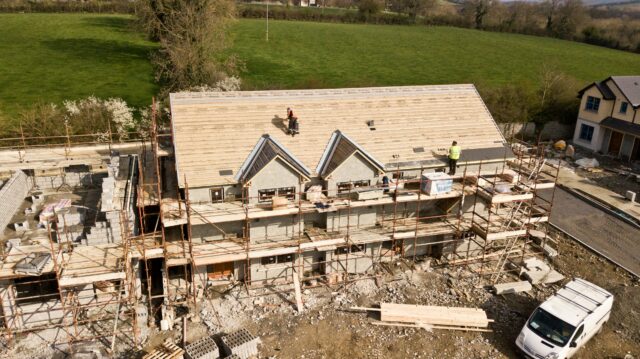
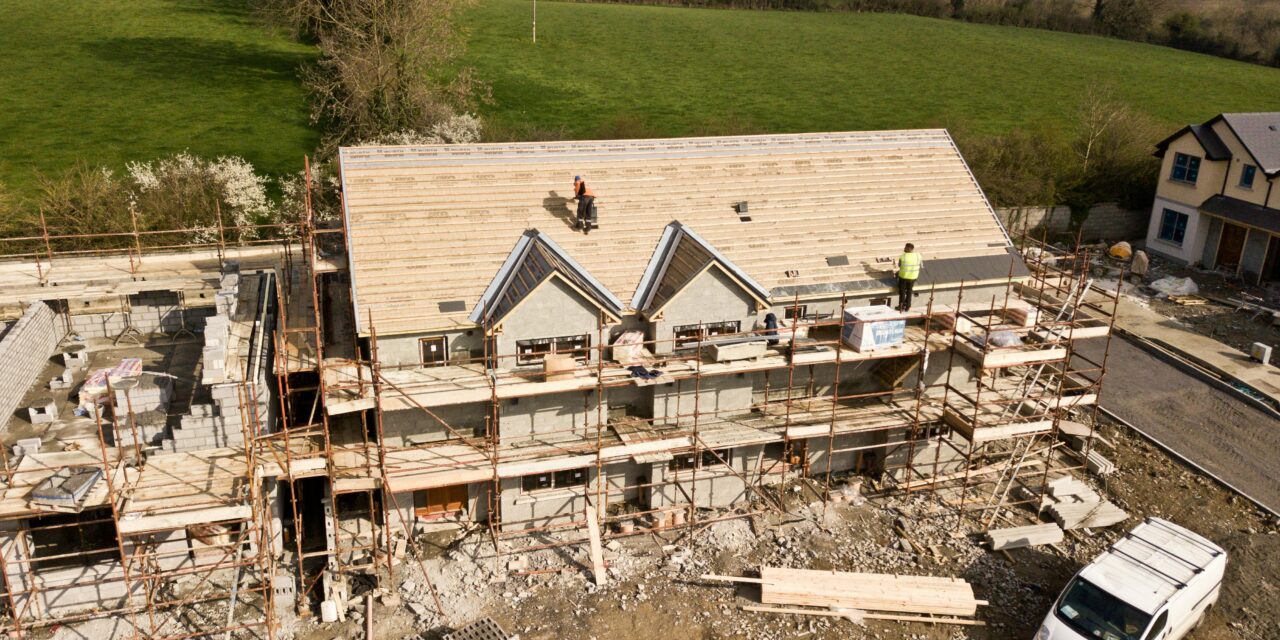
New house build Homes England
Photo by Steffen Coonan: https://www.pexels.com/photo/aerial-photo-of-brown-3-story-house-2098624/

Multi-Million Pound Allocations Support Regional Regeneration Plans

Recent announcements detail how the agency is allocating multi-million-pound grants through the Affordable Homes Programme (AHP) and the Brownfield Infrastructure Land Fund (BILF). These schemes are actively facilitating:

  • The transformation of former industrial land into thriving residential neighbourhoods
  • The delivery of new homes where market demand is acute, but financial viability remains a barrier
  • Infrastructure-led site preparation to support mixed-tenure housing solutions

Examples include:

  • Wolverhampton and the Black Country: Over £15 million committed to the preparation of contaminated land to enable the construction of more than 800 homes
  • Bradford, West Yorkshire: A £10 million investment unlocking 500 new homes, including a significant proportion of social rent properties
  • Milton Keynes: Targeted support to deliver high-density urban living in proximity to transport nodes

These projects reflect Homes England’s commitment to levelling up communities and ensuring funding supports tangible outcomes aligned with local development frameworks.

Enabling SME Housebuilders Through Tailored Investment

While much attention centres around large-scale strategic sites, Homes England’s tailored financial tools are also empowering SME builders to participate in housing delivery. By offering development finance via the Home Building Fund, the agency reduces barriers for small developers who often struggle to secure commercial loans.

Notable impact includes:

  • Increasing build-out rates on small sites under 50 units
  • Reviving underutilised plots in town centres and village cores
  • Diversifying housing design and construction methods, particularly offsite modular techniques

The move aligns with the government’s target to increase housing supply beyond the 300,000 homes per year ambition, whilst diversifying market participants and construction typologies.

Driving Sustainability and Modern Methods of Construction

Homes England funding agreements increasingly mandate the use of sustainable construction practices and encourage developers to exceed minimum energy performance standards. Many funded projects now integrate:

  • Air source heat pumps and solar PV systems
  • Modular construction to reduce onsite waste and accelerate build times
  • Biodiversity net gain initiatives across developments

Such innovations not only reduce the carbon footprint of new homes but also set a precedent for future housing policy frameworks.

Case Study: Midlands Urban Renewal Project

A flagship scheme in the Midlands exemplifies how strategic Homes England funding can transform urban dereliction into vibrant housing districts. The scheme, comprising over 1,200 homes, combines:

  • £22 million in brownfield remediation funding
  • Strategic partnership with a local housing association
  • A tenure mix of 40% affordable housing, 30% shared ownership, and 30% open market sale

The project is integrated with local bus rapid transit routes, active travel links, and green infrastructure, representing a model of sustainable urbanism.

Partnership Working with Local Authorities and Developers

Homes England operates not merely as a funding body but as an enabler and partner in placemaking. Their proactive collaboration with:

  • Combined authorities
  • Local planning bodies
  • Registered providers
  • Private sector developers

ensures alignment of investment with local priorities, infrastructure delivery, and housing need. The agency’s new Strategic Place Partnerships framework is expected to formalise these relationships, offering a consistent and scalable model for future delivery.

A Data-Led, Place-Based Approach to Housing Growth

By leveraging granular data and spatial modelling, Homes England is identifying the most impactful interventions. The agency’s place-based approach is underpinned by:

  • Market analytics on supply and demand trends
  • Site constraint modelling
  • Viability assessments and delivery risk mapping

This rigorous evidence-based methodology ensures public funds achieve maximum leverage, delivering not just homes, but cohesive communities with access to jobs, transport, and services.

Funding That Delivers on Policy, People, and Place

Homes England remains at the forefront of efforts to transform the housing landscape of England. Through strategic investments, robust partnerships, and a focus on innovation and inclusion, the agency is turning stalled sites and underperforming land into opportunity.

As local and national ambitions for housing and regeneration evolve, Homes England’s role as a delivery agency will remain central to ensuring that communities across the country benefit from new homes that are affordable, sustainable, and future-ready.