HomeCategory

Government Policy

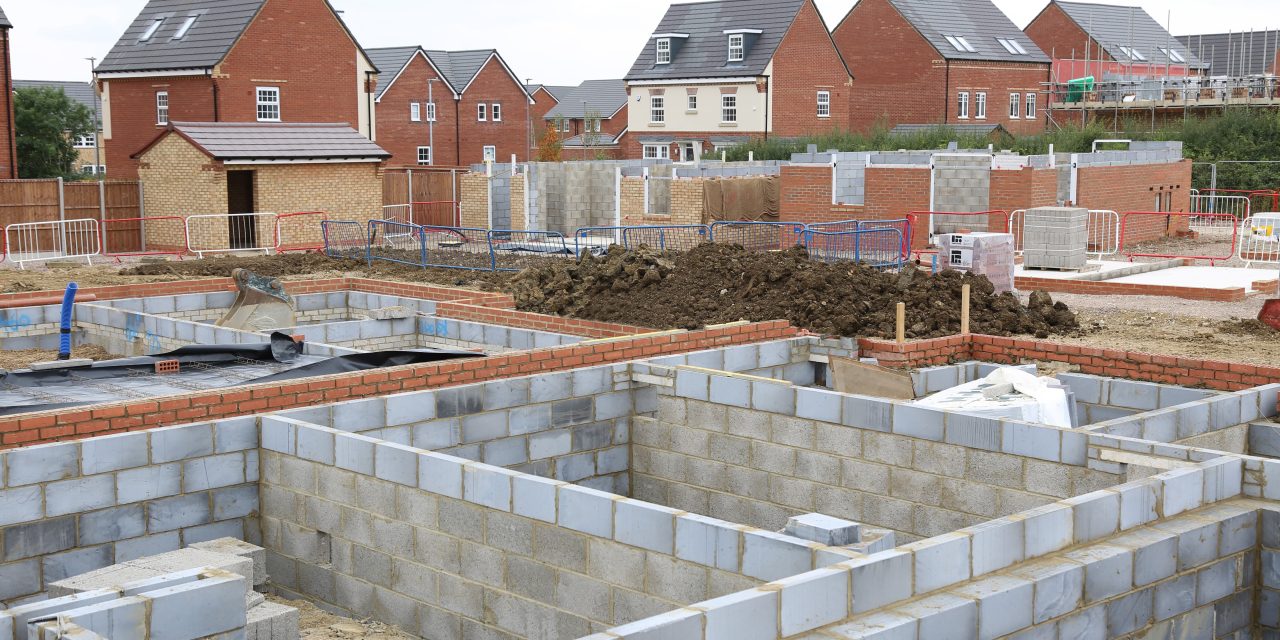
The recent agreement between Homes England and Richborough for a multi-million-pound debt facility marks a significant intervention in England’s housing market. Positioned as one of the first deals under the newly created National Housing Bank, the partnership reflects a strategic shift towards tackling structural barriers in housing delivery—particularly the shortage of “consented land”.

This article explores the rationale behind the decision, the mechanisms involved, and the broader implications for housing supply, planning, and investment.

A Strategic Funding Intervention

The debt facility is designed as a flexible, long-term financing arrangement that enables Richborough to invest earlier and more extensively in land acquisition and planning applications. Unlike traditional development finance, this model focuses on the pre-construction phase—arguably the most constrained part of the housing pipeline.

Homes England has confirmed that the funding will support continued investment in new sites and accelerate planning activity across England, ultimately increasing the availability of land with planning permission.

Richborough’s role as a land promoter is central to this strategy. The company identifies land, secures planning permission at its own risk, and then sells “oven-ready” sites to housebuilders. By backing this stage of the process, Homes England is targeting a critical bottleneck in housing delivery.

Addressing the Planning System Bottleneck

One of the primary drivers behind the agreement is the growing inefficiency of the planning system. Decision times for major applications are now reportedly three times longer than they were a decade ago, creating delays that ripple across the entire development pipeline. (GOV.UK)

This slowdown has shifted the nature of the housing crisis. While access to development finance remains important, the more pressing issue is the limited flow of consented land. Without planning approvals, even well-capitalised developers cannot build.

By providing long-term capital, the debt facility enables Richborough to sustain momentum through extended planning timelines. This reduces the risk of stalled projects and ensures a steadier pipeline of sites ready for construction.

Scaling Up Housing Delivery

A key objective of the deal is to accelerate housing output in line with the government’s target of delivering 1.5 million homes during the current parliament.

The scale of ambition is substantial. The partnership is expected to help bring forward land capable of supporting more than 26,000 homes by 2030, with a projected gross development value exceeding £8 billion.

In the shorter term, Richborough plans to submit over 30 planning applications in 2026 alone, covering approximately 12,500 homes. This represents a significant increase in activity and highlights how access to capital can directly influence planning throughput.

The Role of the National Housing Bank

The agreement also serves as a test case for the National Housing Bank, a new government-backed vehicle aimed at unlocking housing and regeneration projects that the private market struggles to deliver independently.

Operating within Homes England, the Bank provides flexible financing across a range of structures, including debt, equity, and guarantees. Its purpose is not merely to inject capital, but to crowd in private investment and de-risk complex or long-term projects.

The Richborough deal illustrates this approach in practice. By supporting a land promoter rather than a housebuilder, the Bank is intervening earlier in the development lifecycle—where risks are higher but potential impact is significant.

Supporting the Wider Housing Ecosystem

Another important dimension of the agreement is its indirect impact on the broader housing sector. By increasing the supply of consented land, the facility benefits a wide range of stakeholders, including major housebuilders, housing associations, and small and medium-sized developers.

This is particularly relevant for SMEs, which often lack the resources to navigate complex planning processes independently. A larger pool of ready-to-develop sites lowers barriers to entry and promotes competition within the market.

Furthermore, the approach aligns with a “placemaking” agenda, ensuring that new developments are planned comprehensively before construction begins. This can lead to better-designed communities and more sustainable outcomes.

Economic and Market Implications

From an economic perspective, the deal reflects a growing recognition that housing supply constraints are as much about process as they are about funding. While increasing capital availability is important, it must be targeted effectively to address systemic inefficiencies.

The focus on land promotion suggests a shift towards upstream interventions—supporting the earliest stages of development to unlock downstream activity. If successful, this model could be replicated across other partnerships and regions.

However, the impact will not be immediate. As industry observers note, there remains a significant lag between planning approval and completed homes entering the market. This means that while the agreement may strengthen the pipeline, it will take time before it translates into increased housing supply on the ground.

A Long-Term Solution to a Structural Problem

Ultimately, the Homes England–Richborough debt facility is a strategic response to a structural issue within the UK housing system. By addressing the shortage of consented land and mitigating planning delays, the partnership aims to unlock a more consistent and scalable delivery model.

The decision reflects a broader policy shift towards proactive, government-backed investment mechanisms that work alongside the private sector. Rather than relying solely on market forces, initiatives like the National Housing Bank seek to intervene where barriers are greatest and impact is highest.

If the model proves effective, it could play a crucial role in reshaping how housing is financed and delivered in England—moving the sector closer to meeting long-term demand.

Thousands of new homes and jobs could be unlocked across England following the launch of a £165 million infrastructure fund aimed at removing barriers to stalled development sites. The UK Government’s new Growth and Housing Accelerator Fund will focus on delivering critical transport improvements needed to bring forward housing and employment projects that have struggled to progress due to funding constraints.

Set to launch in the coming weeks, the fund forms part of the wider Road Investment Strategy 3 (RIS3), a £27 billion plan to upgrade and maintain England’s motorways and major A-roads between 2026 and 2031. The initiative supports the Government’s broader ambition to deliver 1.5 million new homes during this Parliament while boosting economic growth and raising living standards.

The Growth and Housing Accelerator Fund is designed to bridge funding gaps for essential transport infrastructure, particularly at sites located on or near key strategic roads. By improving connectivity, the programme aims to unlock developments that have been delayed due to insufficient road access or capacity, enabling construction to begin and communities to benefit from new homes, jobs and local investment.

Secretary of State Heidi Alexander, said: “Too many housing and employment opportunities have stalled for years, held back by the infrastructure that wasn’t there to support them. This fund will pave the way for developments that have sat idle for too long, funding the transport links that stalled sites need to get moving and generating new jobs and opportunities for communities that deserve them. It is a deliberate choice – and a signal that this Government is serious about removing the barriers to growth.”

Housing Secretary Steve Reed, added: “For many people, the dream of a decent home, close to work, and with good connections to their community, has been out of reach. This government is firing on all cylinders to get spades in the ground faster so we can build new homes, bolster our transport links and create jobs in the places most in need. This is exactly the kind of targeted, practical action that will help us reach 1.5 million new homes and create thriving communities where people can put down roots.”

Delivery of the programme will be led by National Highways, which will invite local authorities to submit development sites for consideration. A rolling programme of funded schemes is expected to be published from the end of the 2026/27 financial year, providing long-term visibility for infrastructure investment and development planning.

National Highways Executive Director Elliot Shaw emphasised the importance of reliable road networks: “Reliable roads are crucial to housing developments. They shape where people want to live, where businesses want to invest, and where communities can thrive. This fund will help unlock the transport links needed for new homes and jobs and help the government achieve its ambitions on economic growth.”

At the core of RIS3 is a record £8.4 billion investment in renewing and resurfacing more than 9,000 kilometres of motorway and major A-road lanes. This will address a long-standing backlog of ageing infrastructure, including bridges, viaducts and concrete road surfaces. With around two-thirds of structures on the network now over 45 years old, the funding aims to extend asset life and improve safety and reliability.

The overall RIS3 programme is expected to support around 50,000 jobs across England over the five-year investment period, further reinforcing its role in driving economic activity alongside housing delivery.

By targeting infrastructure constraints that have historically delayed development, the Growth and Housing Accelerator Fund represents a strategic effort to align transport investment with housing and economic priorities. If successful, it could accelerate the delivery of new homes, unlock employment opportunities and help create more connected, sustainable communities across the country.

The UK Government’s long-awaited publication of the Future Homes Standard (FHS) on 24 March 2026 marks a significant milestone in the transition towards low-carbon housing. Designed to ensure that new homes are “zero-carbon ready”, the FHS introduces a comprehensive package of regulatory changes that will reshape how residential properties are designed, constructed and heated across England.

What is the Future Homes Standard?

The Future Homes Standard is a reform of Building Regulations aimed at dramatically improving the energy efficiency of new homes while reducing their carbon emissions. It forms a central part of the UK’s pathway to net zero by 2050, ensuring that homes built in the coming years will not require costly retrofitting to meet future environmental targets.

Following years of consultation and delays, the Government has now confirmed the framework and direction of travel, with full implementation expected by 2028 after a transitional period.

Long-awaited Future Homes Standard finally published
Image: GOV UK

Core requirements of the Future Homes Standard

At its core, the FHS mandates a substantial reduction in operational carbon emissions from new homes. Properties built to the standard are expected to produce around 75–80% fewer emissions than those constructed under 2013 Building Regulations.

A central provision is the move away from fossil fuel heating. New homes will effectively be prohibited from connecting to the gas grid, driving widespread adoption of low-carbon heating technologies such as heat pumps. This represents one of the most transformative aspects of the policy, fundamentally altering the UK’s domestic heating landscape.

The standard also places strong emphasis on building fabric performance. Enhanced insulation, improved airtightness and the reduction of thermal bridging are required to minimise heat loss and energy demand. Windows and doors must meet stricter efficiency thresholds, with lower U-values ensuring better thermal performance.

In addition, the FHS introduces more sophisticated methods for assessing energy use. The shift towards dynamic modelling tools, such as the emerging Home Energy Model, will allow more accurate measurement of a building’s real-world performance, including peak energy demand and smart technology integration.

Renewable energy generation is another key feature. The Government has indicated that most new homes will incorporate technologies such as solar panels alongside low-carbon heating systems, further reducing reliance on grid energy and lowering household bills.

There is also growing alignment with water efficiency targets, with proposals suggesting reductions in household water consumption to as low as 90 litres per person per day by 2030. While not yet a core regulatory requirement, this signals a broader sustainability agenda embedded within the FHS.

Implementation timeline and transitional arrangements

Although published in March 2026, the FHS will not apply immediately to all developments. The Government has outlined a phased implementation, with regulations expected to come into force later in 2026, followed by a transitional period lasting approximately 12 months.

Full compliance is anticipated for all new homes commenced from 2028 onwards.However, the announcement has already been accompanied by controversy, as ministers confirmed that the effective rollout has been pushed back, meaning many homes built in the interim may still rely on gas heating.

Industry reaction and criticism

Reaction across the construction and housing sectors has been mixed. On one hand, industry bodies and sustainability advocates have welcomed the clarity and long-term direction provided by the FHS. Proponents argue that the standard will deliver warmer homes, lower energy bills and greater energy security for households.

There is also recognition that the policy will stimulate innovation across the supply chain, accelerating the adoption of heat pumps, renewable technologies and high-performance building materials.

However, the publication has also attracted significant criticism. A key concern is the delay to full implementation, with experts warning that postponement could result in hundreds of thousands of new homes being built to outdated, higher-carbon standards.

Environmental groups and planning organisations have argued that the FHS does not go far enough to deliver genuinely zero-carbon homes. Some critics suggest that concessions to housebuilders have weakened the standard, potentially allowing developers to meet only minimum requirements while limiting innovation.

Particular controversy has centred on policy “loopholes”, including the continued allowance of certain high-emission features such as wood-burning stoves. Experts warn that these could undermine the ambition of achieving fully carbon-free housing.

There are also concerns about regulatory uniformity. Proposals to standardise requirements nationally may restrict local authorities from imposing more stringent sustainability standards, prompting fears that ambition could be diluted in areas seeking to lead on climate action.

From a commercial perspective, some developers remain cautious about the cost implications of the FHS. While long-term savings for homeowners are widely acknowledged, the upfront costs of compliance—particularly for low-carbon technologies and enhanced building fabric—continue to be a point of debate.

Conclusion

The publication of the Future Homes Standard represents a pivotal shift in UK housing policy, embedding low-carbon design and energy efficiency at the heart of new residential development. Its requirements—ranging from the elimination of gas heating to enhanced insulation and renewable energy integration—signal a clear move towards “zero-carbon ready” homes.

However, the success of the FHS will ultimately depend on its implementation. Delays, perceived concessions and ongoing industry concerns highlight the challenges of balancing environmental ambition with housing delivery and commercial viability. As the transition period unfolds, the effectiveness of the standard in delivering truly sustainable homes will be closely scrutinised by both industry stakeholders and policymakers.

The publication of the Government’s long-awaited Land Use Framework marks a significant moment in shaping how England balances competing demands on land, including housing, food production, energy and nature recovery. However, the response from Campaign to Protect Rural England (CPRE) highlights deep concerns that the framework, while welcome in principle, may fall short of delivering meaningful change.

Context: A Framework for Competing Land Demands

The Government’s Land Use Framework aims to provide strategic guidance on how land in England should be used to meet climate targets, support biodiversity and accommodate development pressures. It reflects growing urgency around climate change, food security and access to green space, with ministers emphasising the need to make “the right decisions about our finite land.”

Yet, crucially, the framework is advisory rather than mandatory, intended to “steer” decision-making rather than impose binding rules on landowners or developers. This distinction is central to CPRE’s critique.

CPRE’s Core Criticism: Lack of Clear Direction

Ahead of the framework’s release, CPRE warned that it “will not solve the fundamental question” of how land should be prioritised across England. Their analysis suggests that without stronger direction, the framework risks becoming another high-level strategy that fails to address systemic issues in land use.

At the heart of CPRE’s response is concern over the absence of a clear spatial plan. The organisation argues that England needs a more explicit, map-based approach to determine where housing, nature recovery, farming and renewable energy should take precedence. Without this, competing interests may continue to be resolved inconsistently at local level.

CPRE’s position reflects its long-standing mission to protect rural landscapes from unplanned development while promoting sustainable land use.

The Brownfield-First Argument

A key pillar of CPRE’s response is its continued advocacy for a “brownfield-first” approach to development. Drawing on its own research, the charity has repeatedly highlighted that there is sufficient previously developed land to meet housing targets without encroaching on the countryside.

This argument is reinforced by earlier CPRE findings that over 1.4 million homes could be built on brownfield sites, reducing pressure on greenfield and Green Belt land.

Chief Executive Roger Mortlock has previously criticised current policy direction, stating that if government is serious about protecting the countryside, it “needs more teeth.” Although this comment predates the framework, it encapsulates CPRE’s broader stance: that guidance alone is insufficient without enforceable mechanisms.

Concerns Over the Countryside and Green Belt

CPRE has also raised concerns that the Land Use Framework does not adequately safeguard the countryside, particularly in the context of ongoing planning reforms and pressure to release Green Belt land.

The charity has been critical of policies such as the so-called “grey belt”, which it argues could lead to development on previously undeveloped land under the guise of low environmental value.

For CPRE, the framework should have provided stronger protections for rural areas while clearly prioritising land for nature recovery and sustainable farming. Instead, the absence of binding commitments risks continued incremental loss of countryside to housing and infrastructure.

Integration and Joined-Up Policy Making

Another major theme in CPRE’s response is the need for better integration across policy areas. Land use decisions intersect with agriculture, planning, climate policy and transport, yet these are often handled in silos.

CPRE has emphasised the importance of “integrating land use decision-making across sectors and scales”, arguing that tools already exist but are not being fully utilised.

The Land Use Framework is seen as an opportunity to bring these strands together, but CPRE suggests it does not go far enough in creating a truly joined-up system.

Balancing Climate, Nature and Food Security

While critical, CPRE acknowledges the scale of the challenge facing policymakers. The need to balance net zero targets, biodiversity restoration and food production is complex, particularly given finite land resources.

The Government estimates that only around 1% of land will be needed for renewable energy infrastructure, with potential for dual use such as grazing alongside solar or wind installations.

CPRE broadly supports the principle of multifunctional land use but stresses that without clear prioritisation, there is a risk that short-term economic pressures—particularly housing demand—will dominate decision-making.

A Missed Opportunity?

Overall, CPRE’s response frames the Land Use Framework as a step in the right direction but ultimately a missed opportunity for transformative change.

The organisation welcomes the recognition of land as a finite and strategic resource, as well as the focus on climate resilience and nature-based solutions. However, it argues that the framework lacks the clarity, authority and enforceability required to address England’s land use crisis.

By failing to provide a definitive plan for where development should and should not occur, the framework may leave local authorities and developers navigating the same tensions that have long characterised the planning system.

Conclusion

The CPRE response to the Government’s Land Use Framework underscores a fundamental tension in English land policy: the gap between ambition and implementation. While the framework sets out an important vision for balancing environmental and economic priorities, CPRE’s critique highlights the need for stronger direction, clearer spatial planning and enforceable policies.

As pressures on land continue to intensify, the success of the framework will likely depend on whether it evolves from a guiding document into a more robust system capable of delivering meaningful change for the countryside, communities and the environment.

The UK government has unveiled sweeping proposals to overhaul the long-standing leasehold system through the draft Commonhold and Leasehold Reform Bill. The legislation introduces a £250 annual cap on ground rents, proposes banning new leasehold flats, and seeks to revive the commonhold model of property ownership. The reforms represent one of the most significant changes to property law in England and Wales in decades and are intended to address longstanding criticism that the leasehold system unfairly disadvantages homeowners.

Key proposals in the draft bill

The draft legislation, published in January 2026, forms part of a broader government programme to reform property ownership. One of the central measures is a cap on ground rents of £250 per year for existing leasehold homes, which would apply for a transitional period of 40 years before falling to a “peppercorn” rate—effectively zero,

Ground rent refers to the payment made by leaseholders to the freeholder for the land on which their property stands. While often modest historically, some modern leases include escalating clauses that have left homeowners paying increasingly high annual charges. The government argues that the cap will significantly reduce costs and could save leaseholders billions over time.

The bill also proposes banning the creation of new leasehold flats and replacing the system with a strengthened commonhold framework. Under commonhold, flat owners would own their property outright while collectively managing shared areas of the building.

Another major change is the removal of the forfeiture rule, which currently allows landlords to reclaim a property if certain debts—sometimes as low as a few hundred pounds—remain unpaid. The new framework would introduce a more proportionate enforcement system.

Together, these proposals signal a structural shift away from leasehold, which critics say is an outdated system rooted in medieval land law.

Why the government believes reform is necessary

The government argues that the existing leasehold structure has created widespread financial and legal problems for homeowners. More than five million people in England and Wales live in leasehold properties, and many face escalating ground rents, high service charges and difficulties selling their homes.

According to Housing Secretary Steve Reed, the reforms are intended to address a system that has undermined the promise of home ownership. He said: “If you own a flat you can be forced to pay ground rents that can become completely unaffordable.”

The government has also highlighted how high or escalating ground rents have affected mortgage lending and property sales. Some lenders are reluctant to finance homes with problematic lease terms, leaving homeowners trapped in unsellable properties. By capping rents at £250, ministers believe the reforms will help stabilise the market and remove barriers to lending.

Another key aim is to empower homeowners by shifting towards commonhold ownership. Unlike leasehold, commonhold gives residents permanent ownership of their homes and a collective say in how the building is managed. Supporters say this model is already widely used in other countries and offers a fairer structure for shared residential buildings.

The push to revive commonhold

Although commonhold was introduced in England and Wales in 2002, it has rarely been adopted by developers. The new bill aims to revitalise the system and make it the default model for new flats.

Under the proposed reforms, existing leaseholders could more easily convert their buildings to commonhold ownership, giving residents control over budgets, maintenance and management decisions.

The government argues that this will remove the landlord-tenant relationship inherent in leasehold and create a structure where homeowners collectively manage their properties.

Reaction from leaseholder campaigners

Many leaseholder groups and housing campaigners have welcomed the reforms as a long-overdue step toward fairness in the housing market.

Campaigners argue that excessive ground rents and complex lease terms have left homeowners financially vulnerable. Some leaseholders currently pay well above £250 annually, particularly where leases contain clauses that double the rent every few years.

However, campaign groups have also raised concerns about the pace of reform. One campaigner warned that the benefits will only materialise if the legislation progresses quickly, stating that “the speed of leasehold reform is glacial.”

Critics within the campaign community also argue that the proposed 40-year transition period before ground rents are reduced to zero could delay meaningful relief for some homeowners.

Opposition from freeholders and investors

While widely welcomed by leaseholder advocates, the proposals have sparked strong opposition from organisations that benefit from ground rent income.

Freeholder groups argue that the cap represents an unfair retrospective change to existing property contracts. The Residential Freehold Association described the measure as a “wholly unjustified interference with existing property rights” that could damage investor confidence.

Investors have also warned of financial consequences. Asset manager M&G, which holds hundreds of millions of pounds in ground rent assets, said the reforms could result in a £230 million one-off hit to its finances.

Some industry commentators also caution that replacing leasehold with commonhold could create management challenges. Justin Herbert of Residential Management Group argued that while residents should have greater control, “full control comes with full responsibility,” particularly regarding building safety compliance.

These concerns reflect the broader tension between consumer protection and property investment interests within the UK housing market.

A fundamental shift in property ownership

The draft Commonhold and Leasehold Reform Bill represents a major attempt to reshape the way flats are owned and managed in England and Wales. By capping ground rents, banning new leasehold flats and promoting commonhold ownership, the government hopes to dismantle what many view as an outdated and unfair property system.

Supporters believe the reforms could transform home ownership by giving residents greater control and reducing hidden costs. Opponents, however, warn of unintended consequences for investors and property management structures.

As the draft legislation undergoes parliamentary scrutiny, the final form of the reforms—and their impact on millions of homeowners—will become clearer. What is certain is that the bill signals a decisive move away from traditional leasehold towards a new model of residential property ownership.

The draft National Planning Policy Framework (NPPF), published by the UK Government in December 2025, represents one of the most substantial proposed overhauls of planning policy in England for many years. Designed to guide decision-making on development, housing supply, infrastructure, environmental protection and local planning, the consultation document has sparked strong debate across the construction, planning and local government sectors. The government is seeking views on its proposals up to 10 March 2026, and responses from industry bodies, planning consultancies and campaign groups have already begun to shape the national conversation about the future of England’s planning system.

At its core, the draft NPPF aims to update and reorganise existing policy to support the delivery of homes and infrastructure while responding to environmental challenges and economic needs. The document chapters are structured to separate plan-making policies — which help local authorities and neighbourhood planners shape development plans — from national decision-making policies used by planners when deciding individual planning applications. The emphasis on aligning planning practice with broader government priorities, such as meeting ambitious housing targets and supporting renewable energy, reflects the current administration’s desire to accelerate development across the country.

Industry and planning professionals have been engaging with the draft, highlighting both opportunities and concerns. Construction and planning consultancies, such as Ramboll, have underscored that the proposed reforms could reduce delays in planning approvals and increase certainty for developers, particularly by streamlining certain aspects of the system and reducing unnecessary complexity. These voices argue that clearer policy direction at a national level is needed to overcome persistent bottlenecks that slow investment and delivery of homes and infrastructure.

Similarly, specialist planning commentators have noted the draft’s focus on sustainable transport, environmental protections and housing mix, which could support balanced, long-term development if implemented effectively. Enhancements to how transport systems are integrated into planning decisions, stronger links with Local Nature Recovery Strategies and new expectations for accessible housing standards have been flagged as significant shifts that planners and developers must understand and implement.

Despite these positives, responses from professional bodies and campaign groups reveal meaningful concerns. The Council for the Protection of Rural England (CPRE) welcomes elements of the draft, such as support for small and medium-sized builders and recognition of affordable housing needs, but criticises the absence of enforceable brownfield development targets. CPRE’s analysis suggests that without stronger mechanisms to prioritise previously developed land, pressure on greenfield and countryside areas — including Green Belt zones redefined in policy as “grey belt” — could intensify. Consequently, the organisation warns that new homes may increasingly encroach on unspoilt landscapes rather than regenerating urban areas.

Local authorities and elected representatives have also weighed in. MPs have urged the government to ensure the draft NPPF explicitly addresses safety considerations, such as gendered safety in public spaces, signalling that planning policy must be more responsive to community needs. While planning ministers have acknowledged such feedback, there is public debate about how these concerns will be reflected in the final policy.

At the same time, land, planning and infrastructure consultancies are calling for better alignment between planning policy and delivery timescales, particularly for energy infrastructure and low-carbon developments. They argue that without stronger links between plan-making and project implementation, the ambitious policy aims for renewable energy and sustainable growth may falter in practice.

Across the sector more broadly, responses to the draft reflect a mixed landscape of optimism and caution. Many industry stakeholders recognise the need for reform and welcome a shift towards a more rules-based, growth-focused planning system, which could reduce uncertainty for developers and local authorities alike. However, there is also widespread concern about viability, environmental protections and the risk that housing targets may override local character and sustainability objectives if balancing mechanisms are not robustly enforced.

Planning professionals and authorities will be closely analysing the draft’s impact on local plan preparation. Councils preparing the next generation of local plans — which set out how areas will grow and change over time — have already begun to adjust their approaches in anticipation of how the final NPPF may shape strategic planning requirements. Funding and guidance are being updated to help authorities adapt to the emerging policy landscape, with government support mechanisms intended to reduce the planning burden where possible.

Crucially, the outcomes of the public consultation process, which has invited responses from individuals, councils, professional bodies and organisations large and small, will influence the final form of the NPPF. Government analysis shows that thousands of submissions have been received, with contributors commenting on issues ranging from housing delivery and climate change to infrastructure, net zero goals and biodiversity protections. This breadth of engagement underlines the high stakes involved in shaping national planning policy and the diversity of interests that the final framework must accommodate.

In summary, the draft NPPF represents a significant moment for England’s planning regime, symbolising a government push to modernise policy and accelerate delivery of homes and infrastructure. While many in the construction and planning sectors have welcomed aspects of the proposals, concerns remain about environmental safeguards, local autonomy, sustainability outcomes and the practical implications for developers and communities. As the consultation period continues, the final version of the NPPF will seek to balance these competing priorities, providing a framework that guides sustainable development while reflecting the needs of a broad range of stakeholders.

The construction sector’s response to Chancellor Rachel Reeves’s 2025 Autumn Budget was a mixture of cautious welcome and frustration. Industry bodies praised measures aimed at planning capacity and skills but warned that higher taxes, wage rises and a lack of support for retrofit risk blunting the Budget’s positive signals for housing and infrastructure.

Ministers scored a clear win with a commitment to boost planning capacity. The Federation of Master Builders (FMB) highlighted the Government’s pledge of £48 million over three years to strengthen planning departments — a move the FMB described as “welcome” given long-standing delays that hold up projects. At the same time the FMB flagged omissions: the Budget offered no new national retrofit strategy and the Energy Company Obligation (ECO) is being scrapped, leaving a gap in support for home upgrades.

Construction industry reacts with relief to the 2025 Budget
https://depositphotos.com/portfolio-3957801.html?content=photo

Housebuilders welcomed one specific reversal. Neil Jefferson, chief executive of the Home Builders Federation (HBF), said it was “encouraging that the Chancellor has listened to industry concerns and chosen not to impose the 3000% increase in Landfill Tax consulted on earlier in the year,” but warned that even the revised measures still “represent an increase in tax on development when the economics of home building are already challenged.” The HBF urged ministers to tackle worsening scheme viability and a lack of support for potential homebuyers.

Merchants and suppliers voiced disappointment that the Budget lacked a strong growth stimulus for the sector. John Newcomb, CEO of the Builders Merchants Federation (BMF), criticised the package as “small incremental measures,” adding: “We needed to see a jumpstart to get the sector moving… The Budget has not done enough to bridge the gulf between the Government’s ambition to build 1.5 million new homes by July 2029, and the state of today’s market.”

Larger construction firms and professional services gave a more nuanced reading. David Young, chief executive of Bradfords Building Supplies, said: “Today’s Budget offers some positive signals for construction, particularly around housing ambition, skills and the transition to a lower-carbon economy. But it falls short of the reset the sector was hoping for. The real test will be how quickly planning is unblocked and investment flows into projects on the ground.”

Costs and labour remain dominant concerns. The Budget confirmed an increase in the National Living Wage (to £12.71 from April 2026) and froze income tax thresholds — measures that the FMB and BMF warned will squeeze margins for small firms and add pressure across the supply chain. Construction Management summarised the mood: with output fragile and workforce shortages persisting, “rising costs remain a major concern” that could push tender prices higher and curtail hiring.

Skills and apprenticeships were among the clearest positives. The Government announced free apprenticeship training for under-25s in small and medium-sized enterprises, a policy the FMB said should help firms recruit young talent without immediate training costs. Industry leaders urged prompt, practical rollout so apprenticeships translate quickly into on-site labour capacity.

Infrastructure certainty won plaudits but not complacency. Several commentators welcomed continued funding for major projects — such as the Lower Thames Crossing and other priority investments — because visible pipelines help the sector plan capacity and investment. James Corrigan, UK managing director for infrastructure at Turner & Townsend, described confirmed funding and pipeline clarity as “positive steps” but said government must now mobilise private investment to fill funding gaps.

Where the Budget disappointed most was its handling of retrofit and housing demand. Industry groups described the scrapping of ECO and the absence of a committed retrofit strategy as “missed opportunities” to mobilise skilled labour and long-term workstreams for SMEs. Meanwhile, housebuilders pointed to weak mortgage availability and affordability as barriers the Budget failed to address — constraints that blunt the impact of planning reforms and infrastructure spending on actual housing delivery.

What it means next: mixed but actionable. In the short term, firms will welcome reduced immediate risk from the most punitive tax proposals and the money for planning and skills. But many businesses say the Budget does not go far enough to fix structural problems: planning delays, project viability, labour shortages and the need for a national retrofit plan. If ministers and delivery bodies can translate the Budget’s commitments into faster planning decisions, clearer pipelines and targeted incentives for first-time buyers and retrofit work, industry confidence could recover. If not, firms warn the sector will remain fragile.

The UK government’s pledge to deliver 1.5 million homes by 2029 has become one of the defining policy challenges of the decade. Current data show that, at today’s pace, only around half of that figure will be achieved.

Lanpro’s latest analysis suggests net additional dwellings in 2024–25 totalled just 196,500 — far below the 300,000-a-year average needed to hit the target. With housing delivery already running 10 percent below the ten-year trend, the total shortfall could exceed 850,000 homes by the end of the parliamentary term.

The situation is particularly acute in London and the South East, where housing need is highest. In these regions, completions are meeting just 35 to 47 percent of demand. By contrast, parts of the Midlands and the North have exceeded local targets, but those gains cannot offset the chronic under-supply in the south.

Why Is the UK Missing Its Housing Target?

Planning Delays and Policy Fragmentation

The planning system remains one of the biggest barriers to meeting housing targets. Prolonged decision times, inconsistent local policies and stretched planning departments all slow the process. Many local plans are years out of date, and authorities are struggling to align housing allocations with infrastructure and environmental requirements.

The government’s proposed reforms to the National Planning Policy Framework (NPPF) could streamline delivery, but until local authorities have the resources to process applications efficiently, delays will persist. Developers, too, are cautious about submitting large-scale proposals without planning certainty.

A Market Under Pressure

The private sector delivers most new homes in England, but economic headwinds are curbing output. Rising construction costs, high borrowing rates, and weaker buyer confidence have made new developments less viable. Analysts estimate the private sector will struggle to exceed 170,000 completions annually under current conditions.

At the same time, housing associations and local councils face borrowing constraints and high remediation costs, limiting their ability to build affordable homes. This combination has created a delivery vacuum at both ends of the market.

Social Housing Shortfall

Affordable and social housing supply has declined sharply over the past decade. To meet national demand, experts argue that 90,000 new social homes need to be built every year — a figure far beyond current delivery levels. Without a significant expansion in public investment, the affordable housing crisis will deepen.

Skills and Infrastructure Deficits

Labour shortages and stretched supply chains are now structural problems within the UK construction industry. Even if planning reform unlocked new sites, the sector lacks the skilled workforce to build at the required scale. Simultaneously, infrastructure constraints — from schools to transport and utilities — make large new developments difficult to deliver.

Forecasts Paint a Grim Picture

Across multiple independent analyses, the conclusion is consistent: the 1.5 million homes target will be missed by hundreds of thousands.

  • The Office for Budget Responsibility projects roughly 1.3 million completions by 2029.
  • Savills forecasts delivery closer to 1.0 million, equating to a 500,000-home shortfall.
  • The National Housing Federation echoes this figure, warning the UK could miss its target “by half a million homes” without immediate policy action.

The pattern is clear: at the current rate, the UK will build only two-thirds of what’s required.

Closing the Gap: What Needs to Change

  1. Comprehensive Planning Reform

To unlock delivery, the UK must implement faster, more predictable planning processes. This means:

  • Introducing binding local housing targets monitored at national level.
  • Releasing more land through greenbelt and grey belt reviews where sustainable.
  • Simplifying local plan adoption and ensuring all authorities maintain up-to-date frameworks.

Without these reforms, private developers will continue to face uncertainty, and public housing bodies will struggle to plan long-term investments.

  1. Reinvestment in Social Housing

Delivering the government’s housing ambition will require a major public sector build programme. Funding must be directed toward housing associations and councils to enable new developments at scale.

Public land, particularly brownfield sites owned by local authorities, should be repurposed for mixed-tenure schemes, ensuring affordable housing remains central to every development plan.

  1. Stimulating Buyer Demand

To encourage home ownership and stimulate the construction market, policymakers should consider:

  • Mortgage guarantees and equity loans for first-time buyers.
  • Stamp duty relief on new-build homes.
  • Flexible tenure models, such as rent-to-buy or shared ownership, to support those priced out of the market.
  1. Building Skills and Infrastructure

Meeting housing demand also requires investment in people and places. Expanding construction apprenticeships, improving material supply chains, and aligning infrastructure funding with housing growth areas will ensure delivery remains sustainable.

The Road Ahead: Turning Targets into Homes

The government’s 1.5 million homes target remains achievable — but only with decisive action. Meeting it will demand a combination of planning reform, public investment, market stability, and skills growth.

It’s not enough to set targets; the UK must shift to delivery mode. That means empowering local authorities, funding affordable housing properly, and coordinating national infrastructure with regional housing need.

If these steps are taken, the UK could still reverse the trajectory — transforming political ambition into tangible homes for the next generation.

In its first year in office, the Labour government has overseen a record-breaking number of infrastructure approvals, setting a new pace for national investment. The decisions taken span across energy generation, transport upgrades, aviation expansion, waste management facilities and water treatment. Together, they mark a significant step in reshaping the UK’s physical and economic landscape.

Key Figures and Highlights

Within the first twelve months, twenty-one major projects received approval, more than any equivalent period in recent history. This represents a major start on the government’s “Plan for Change,” which sets a target of 150 major decisions across the parliamentary term. Among the approvals are the Lower Thames Crossing, valued at an estimated £9 billion, the £2.2 billion expansion of Gatwick Airport, and the Simister Island improvements at the M60, M62 and M66 interchange. These flagship projects sit alongside a host of renewable energy developments, demonstrating that the government’s ambitions are not only broad but also strategically aligned with its climate commitments.

Energy and Renewable Power

A significant share of approvals in Labour’s first year focused on renewable energy. Major solar developments, including the Gate Burton Energy Park, the Mallard Pass Solar Project, the Sunnica Energy Farm and the Heckington Fen scheme, will expand the UK’s clean power generation capacity. Additional approvals such as the Cottam and West Burton projects further consolidate solar as a cornerstone of the energy transition. Offshore wind received strong backing, with projects like Rampion 2, the Mona Offshore Windfarm and the Morgan Offshore Wind farm gaining the go-ahead. This wave of energy approvals underscores Labour’s commitment to strengthening energy security while progressing towards net-zero targets.

Transport and Connectivity

Transport infrastructure also features heavily in the government’s first-year decisions. The Lower Thames Crossing, designed to ease congestion and improve freight movement between Kent and Essex, represents one of the largest road projects of its kind. Improvements to critical junctions such as the Simister Island interchange and the M5 Junction 10 Upgrade are aimed at relieving traffic pressure points that have long frustrated drivers and logistics operators. Together, these projects support the smoother movement of goods and people while bolstering regional economies.

Aviation and Expansion

Air transport has also received a boost. Both London Gatwick and London Luton airports have been granted approval for significant expansions. These decisions reflect confidence in long-term growth in air travel demand and underline the government’s willingness to support the aviation sector as it seeks to recover from the impacts of the pandemic. The expansions are expected to increase capacity, support jobs and reinforce the role of aviation in connecting the UK to global markets.

Utilities, Waste and Water Management

Beyond energy and transport, a range of critical infrastructure approvals target utilities and environmental resilience. The Cambridge Waste Water Treatment Plant will undergo a major upgrade to support housing growth and improve environmental outcomes. Similarly, approvals for the Viking CCS Pipeline, the Immingham Green Energy Terminal and the Immingham Eastern Ro-Ro Terminal strengthen the UK’s industrial capacity and its ability to integrate carbon capture and low-carbon fuels into national systems.

Drivers Behind the Surge

The unprecedented pace of approvals reflects a deliberate policy reset. Labour has sought to streamline planning rules and accelerate decision-making, placing infrastructure delivery at the heart of its Growth Mission. Economic stimulus is a central motivation, as these projects are expected to generate construction contracts, support thousands of jobs and activate supply chains nationwide. At the same time, climate policy pressures have necessitated rapid investment in renewable energy and carbon capture facilities, ensuring that the UK can meet both energy security needs and environmental obligations.

Challenges and Risks

While the surge in approvals is notable, delivery is far from guaranteed. Large-scale infrastructure projects often face environmental challenges, with legal objections and habitat protections slowing progress. Financing remains a critical issue, as inflationary pressures and global competition for capital could affect project viability. The construction sector itself must contend with labour shortages, skills gaps and supply chain pressures, which threaten to undermine delivery schedules. Governance also remains complex, requiring coordination across central government, local authorities and regulators to prevent bottlenecks.

Implications for Stakeholders

For developers and investors, the increase in certainty around approvals encourages long-term planning and reduces perceived risk. Local authorities and communities, meanwhile, must prepare for heightened consultation demands and the delivery of associated local infrastructure. For the construction and engineering sectors, the approvals translate into concrete opportunities to expand operations, recruit skilled workers and pursue regional growth strategies. Policymakers and regulators must ensure that the new pace of approvals is matched by robust governance, transparency and accountability mechanisms.

Outlook for UK Infrastructure

The first year of Labour’s administration has set a clear precedent: infrastructure delivery is to be accelerated and scaled. With 129 major approvals still required to meet the government’s stated target, the coming years will test both the resilience of planning reforms and the capacity of industry to deliver. Net-zero ambitions will demand increased focus on carbon capture, grid modernisation and renewable expansion, while pressures on cost and supply chains will continue to test delivery. If the current momentum can be maintained, the UK could enter a period of unprecedented infrastructure development, reshaping the economy and the built environment for decades to come.

More than seven years after the tragic Grenfell Tower fire, the UK government has taken decisive action to accelerate the removal of unsafe cladding from buildings across England. In a significant update to the Remediation Acceleration Plan, announced on 17 July 2025, new legal deadlines have been set for landlords to complete remediation works, backed by severe penalties for non-compliance. This move aims to address the ongoing crisis that has left thousands of residents living in unsafe conditions for far too long.

Key Deadlines and Penalties

The updated plan introduces strict timelines for landlords to ensure the safety of their buildings. For buildings over 18 metres in height, all remediation work must be completed by the end of 2029. For buildings between 11 and 18 metres, the deadline is set for the end of 2031. Failure to meet these deadlines without a reasonable excuse will result in criminal prosecution, with potential penalties including unlimited fines and imprisonment. This marks a significant escalation in the government’s approach, aiming to hold landlords accountable and ensure that residents are no longer left in limbo.

Building Height Remediation Deadline Penalties for Non-Compliance
Over 18 metres End of 2029 Criminal prosecution, unlimited fines, imprisonment
11–18 metres End of 2031 Criminal prosecution, unlimited fines, imprisonment

Legislative Framework

To enforce these deadlines, the government plans to introduce a new Remediation Bill, which will make the duty to remediate a legal requirement. This legislation will also grant powers to bodies such as Homes England and local authorities to step in and carry out remediation works if landlords fail to act, ensuring that progress is made even in cases of non-compliance. The bill is expected to be brought forward as soon as parliamentary time allows, underscoring the urgency of the situation.

Funding and Support

Recognising the financial burden on social landlords, the government has committed over £1 billion to support remediation efforts in the social housing sector. This funding aims to level the playing field, giving social landlords equal access to government funding schemes as their private sector counterparts. The Cladding Safety Scheme has been expanded to include buildings under 11 metres in exceptional cases, further broadening the scope of support. Additionally, the Building Safety Levy, set to take effect in October 2026, is expected to raise £3.4 billion over ten years to fund remediation efforts. Exemptions for affordable, supported, and small-scale housing, along with discounts for previously used land, will help balance safety and affordability.

Progress and Challenges

Despite these measures, the pace of remediation has been criticised as too slow. As of June 2025, only 44% of the 2,800 social housing buildings identified with unsafe cladding in England had begun remediation works. This statistic underscores the urgency of the government’s new approach and the need for accelerated action. The plan also includes measures to identify all buildings over 11 metres with unsafe cladding, with a National Remediation System to track progress and ensure transparency. Over £5 million has been allocated to Metro Mayors to develop Local Remediation Acceleration Plans, further supporting regional efforts.

Voices from the Top

Housing Secretary Angela Rayner emphasised the importance of this plan, stating: “More than seven years on from the Grenfell tragedy, thousands of people have been left living in homes across this country with dangerous cladding. The pace of remediation has been far too slow for far too long. We are taking decisive action to right this wrong and make homes safe. Our Remediation Acceleration Plan will ensure those responsible for making buildings safe deliver the change residents need and deserve.”

Building Safety and Fire Minister Alex Norris added: “We are determined to make buildings safe and protect residents. Since publishing our Remediation Acceleration Plan, we’ve made strong progress, and this update goes further to drive accountability and remove barriers to speed up remediation. There is now a clear pathway to remediate every building with unsafe cladding. We expect everyone to play their part in giving residents and leaseholders the peace of mind that they deserve.”

Impact on Stakeholders

This updated plan has wide-ranging implications for various stakeholders:

  • Landlords and Developers: Faced with legal obligations and potential penalties, landlords and developers must prioritise remediation works to avoid legal repercussions. The Developer Debt Collection programme, involving 53 major developers, aims to recover £700 million for taxpayer-funded remediation, with £120 million expected in 2025/26.
  • Leaseholders and Residents: The plan offers hope for safer living conditions, though the timelines may still seem distant for those currently residing in affected buildings. Continued support to reduce reliance on measures like Waking Watch is also part of the plan.
  • Social Housing Providers: With dedicated funding, social housing providers are better equipped to address safety issues, but the scale of the problem requires efficient allocation and utilisation of resources.

Addressing Criticisms

While the government’s plan has been welcomed for its ambition, campaigners from groups like End Our Cladding Scandal have called it “extremely disappointing” and “performative,” citing uncertainties for leaseholders and the need for more immediate action. The long timelines, particularly for medium-rise buildings, may leave some residents feeling vulnerable. The government has responded by emphasizing enforcement, with over 50 local authorities already taking action against 483 buildings and plans to strengthen the Building Safety Regulator’s capacity.

A Path Forward

The government’s latest update to the Remediation Acceleration Plan represents a critical step forward in addressing the unsafe cladding crisis. By setting legal deadlines, introducing robust enforcement mechanisms, and providing substantial funding, the plan aims to ensure that all buildings with unsafe cladding are remediated within specified timeframes. While challenges remain, particularly in accelerating progress and addressing leaseholder concerns, this decisive action signals a commitment to learning from past tragedies and prioritising the safety of residents across England.