HomeCategory

Civil Engineering

The UK Green Building Council (UKGBC) has launched its new Whole Life Carbon Framework (WLCF), marking a significant evolution of the organisation’s landmark Net Zero Carbon Framework Definition first introduced in 2019.

The updated framework has been designed to help the built environment sector reduce carbon emissions across the entire lifecycle of buildings, from design and construction through to operation, refurbishment and end-of-life.

The WLCF arrives at a critical moment for the construction and property industries as pressure intensifies to decarbonise the UK’s built environment. UKGBC has previously warned that the sector is “dangerously behind” in meeting national carbon reduction targets, with embodied carbon emissions continuing to rise despite broader net zero commitments.

UKGBC launches WLCF
Image by Toby Parsons from Pixabay

The original Net Zero Carbon Framework Definition, launched in 2019, was developed to create a common industry understanding of what constitutes a net zero carbon building. Since then, the market has matured significantly, with the introduction of initiatives such as the UK Net Zero Carbon Buildings Standard and growing adoption of whole-life carbon assessments across major developments.

According to UKGBC, the new framework builds on that earlier guidance by moving beyond high-level definitions and focusing on practical implementation. The WLCF establishes a set of principles and actions aimed at minimising whole-life carbon and managing residual emissions throughout a building’s lifecycle.

The framework introduces four overarching principles centred on adaptability, accountability, target-setting and transparent disclosure. It also provides lifecycle-stage actions intended to support project teams in making low-carbon decisions from the earliest stages of design through to operation and eventual deconstruction.

Yetunde Abdul, director of industry transformation at UKGBC, said: “As expectations around sustainability and carbon performance continue to grow, organisations need practical tools that support consistent and informed decision-making across the full life cycle of buildings.

“This updated framework is designed to help drive industry-wide action by supporting better design making, strengthening accountability and embedding whole-life carbon thinking into projects from the outset.”

Philippa Birch-Wood, head of climate action at UKGBC, said: “Designed to complement initiatives such as the UK Net Zero Carbon Buildings Standard, the framework will help organisations improve assessment, reporting and disclosure practices while supporting the transition to net-zero aligned buildings.”

Industry leaders have increasingly recognised whole-life carbon measurement as essential to achieving net zero goals, particularly as operational emissions begin to fall through improved energy efficiency and cleaner electricity generation.

The UKGBC’s latest Whole Life Carbon Roadmap Progress Report found that embodied carbon remains one of the sector’s biggest challenges. The report stated that emissions from buildings and infrastructure have fallen by just 14% since 2018, compared with the 24% reduction required to remain on track for the UK’s climate goals.

Simon McWhirter, chief executive of UKGBC, previously warned that the industry cannot afford to “lock in another generation of high-carbon homes, offices and infrastructure.”

The launch of the WLCF also reflects wider industry momentum around carbon reporting and lifecycle assessment. Organisations including the Royal Institute of British Architects (RIBA) and the Royal Institution of Chartered Surveyors (RICS) have both strengthened guidance around embodied carbon, lifecycle analysis and environmental product declarations in recent years.

UKGBC said the framework is intended to work alongside existing standards rather than replace them. The organisation believes the WLCF will support developers, contractors, consultants, local authorities and product manufacturers in embedding whole-life carbon thinking into mainstream project delivery.

The framework also aligns with UKGBC’s broader Net Zero Whole Life Carbon Roadmap, launched in 2021, which sets out the built environment sector’s pathway to net zero emissions by 2050. That roadmap was developed with contributions from more than 100 organisations across the construction and property sectors.

As regulatory scrutiny and investor expectations continue to rise, industry observers expect whole-life carbon measurement and disclosure to become increasingly central to planning, procurement and asset management decisions.

For UKGBC, the new framework represents an attempt to provide the market with a more practical and consistent approach to reducing carbon emissions across the built environment at scale.

The Chartered Institution of Civil Engineering Surveyors (CICES) and the Royal Institution of Chartered Surveyors (RICS) have launched a new professional designation: Chartered Civil Engineering Surveyor.

The title is available worldwide and recognises the specialist skills, expertise and professional standing of civil engineering surveyors working across infrastructure, construction and the built environment.

Eligible Members and Fellows of both institutions will now be able to use the Chartered Civil Engineering Surveyor designation, marking a significant milestone for the profession.

CICES and RICS Launch Chartered Civil Engineering Surveyor Designation
Image: Intersect Surveys

Who Can Use the Designation?

To qualify, professionals must meet all of the following requirements:

Membership Criteria

  • Be a Chartered Member of RICS (MRICS or FRICS), and
  • Be a Full Member of CICES (MCInstCES or FCInstCES)

Qualification Pathways

Applicants must have qualified via one of the following routes:

Via RICS:

  • MRICS through the Geomatics pathway, with Engineering competency at Level 3

Via CICES:

  • Geospatial Engineering core with Engineering specialism
  • Geospatial Engineering core with Land specialism
  • Commercial Management core with Cost Engineering specialism
  • Commercial Management core with Quantity Surveying specialism

Professionals who qualified through the CICES Fellowship nomination route, or via the Construction Law, Photogrammetry/Remote Sensing, or Procurement Engineering specialisms, are not automatically eligible to apply to RICS through its recognition route and will need to undertake the RICS chartered assessment.

A Historic Milestone for CICES

Simon Hamlyn, CEO at CICES, welcomed the development: “This exciting new designation is a significant milestone for CICES because it is the first time in the institution’s 56-year history that members have the opportunity to use the title Chartered Civil Engineering Surveyor. Civil engineering surveyors do incredibly vital work here in the UK and globally, and this new designation recognises their valuable contributions to the profession.

“Beyond individual achievement, we believe this designation will further raise the profile of civil engineering surveyors and inspire the next generation, whether they’re just starting or pursuing a new career in this field. We very much look forward to continuing our work alongside colleagues at RICS.”

Strengthening Professional Recognition

Justin Young, CEO of RICS, added: “Civil engineering surveyors play a crucial role in the built environment, and it is right that their expertise is recognised with a specific chartered title. This partnership demonstrates the growing collaboration between RICS and other professional bodies for the good of the profession, of which CICES is among our most important partners.

“Chartered Membership is the Gold Standard for the industry. It recognises that the professional is committed to adhering to the highest standard. Chartership supports and expands professionalisation and means better outcomes for consumers. They play a crucial role in the built environment, ensuring property and construction projects are safe, compliant, and accurately valued.

“I congratulate those professionals who will soon carry the Chartered Civil Engineering Surveyor designation and look forward to growing our relationship with CICES further.”

Raising the Profile of Civil Engineering Surveyors

The new designation reinforces collaboration between CICES and RICS and strengthens professional recognition for civil engineering surveyors globally. By formalising a dedicated chartered title, the institutions aim to elevate standards, enhance career progression and inspire future talent entering the sector.

As infrastructure investment and construction activity continue worldwide, the Chartered Civil Engineering Surveyor designation is expected to play an important role in promoting professional excellence and confidence across the built environment.

The £56bn New Hospital Programme, which includes the remediation and replacement of hospitals built with Reinforced Aerated Autoclaved Concrete (RAAC), is set to miss its original 2030 deadline, with some projects now expected to overrun by several years.

According to a new report from the National Audit Office (NAO), RAAC hospital remediation projects are likely to be delayed by between two and three years. While this represents a significant setback for estates identified as critical safety priorities, the watchdog says the programme is now on a firmer footing following a major reset under the current government.

The NAO states that the final hospitals within the programme are now expected to be completed in the 2045–46 period, more than a decade later than initially pledged. However, it adds that improved governance and clearer delivery plans have increased confidence among contractors and the wider supply chain.

The report highlights that the programme reset has improved certainty for construction partners, but warns that delivery remains finely balanced. With tight schedules and limited alternatives available, the next five years will need to see minimal errors, delays or cost increases if further slippage is to be avoided. The NAO notes that overly ambitious timetables were a key factor behind earlier delays to RAAC hospital projects.

Despite these risks, industry interest remains strong. Around 20 contractors and 16 firms have been shortlisted to participate in the programme, including major players such as Bam, McLaren and Morgan Sindall.

Andy Morrison, who directed the NAO report, said: “The programme to upgrade and build new hospitals is now on a more realistic timetable. The final hospitals to be completed will be in 2046.

“However, despite being priorities, hospitals built with Reinforced Aerated Autoclaved Concrete (RAAC) are now not expected to be replaced until 2032-33.

“Standardised hospital designs plan to have single rooms and be digitally enabled, offering potential savings and a stronger market for contractors. But these benefits depend on robust programme oversight.

“Staff will also need to buy-in to operational changes for hospitals to achieve efficiencies and improvements in patient care.”

The New Hospital Programme was originally announced by then prime minister Boris Johnson in 2019, with a headline commitment to deliver 40 new hospitals by 2030. It later emerged that this figure included refurbishments and extensions to existing hospitals, rather than 40 entirely new builds, prompting criticism over how the pledge had been presented.

Further scrutiny revealed that, under the original plans, funding for the programme would have been exhausted by March 2025, leaving later projects without confirmed financial backing.

Under the revised approach, HM Treasury will now fund hospital construction in five-year investment waves. Each wave is expected to increase by £15bn, reaching an average annual spend of £3bn per year from 2030 onwards. While this model provides longer-term certainty, it also means the overall programme completion date has moved to more than 10 years beyond the original target.

Secretary of state for health and social care Wes Streeting was highly critical of the programme’s condition when he took office, saying: “I was shocked by what I found on entering the Department of Health and Social Care (DHSC). The programme was hugely delayed, by several years more than had already been revealed by the National Audit Office. Most shocking of all, the funding for the programme was due to run out in March of this year, with no provision for future years whatsoever. The money simply was not there. The programme was built on the shaky foundation of false hope and without the confirmed funding these building projects could not be delivered, let alone delivering them all in the next 5 years.

“If I was shocked by the state of this programme, patients ought to be furious. Not only because the promises made to them were never going to be kept. They also desperately need new buildings and new hospitals.”

While the NAO acknowledges that the reset has improved the programme’s credibility, it warns that sustained political focus, tight cost control and strong oversight will be essential if the government is to deliver safer, modern hospitals and address the ongoing risks posed by RAAC across the NHS estate.

Dynamic field service planning solution FLS VISITOUR has won the Best Decarbonisation Approach at prestigious UK housing Awards.

Technology leader FLS – FAST LEAN SMART won a Housing Executive Award for innovation and efficiency for its focus on tangible environmental benefits and resident communication.

The inaugural Awards, which were held at Bolton Wanderers FC Stadium, celebrated FLS’ solutions to support the critical reduction of carbon emissions in line with the UK’s Net Zero goals.

FLS VISITOUR wins best approach to decarbonisation at UK housing awards
(L-R) Winners of Housing Executive’s Best Decarbonisation Approach Award, Lee Hawkes, Senior Sales and Partnerships Manager, FLS – FAST LEAN SMART with Gareth Gathern, Head of Operations for category sponsors Cyd Innovation and Chris Welsh, UK Sales Director, FLS – FAST LEAN SMART

Across the UK housing sector, FLS VISITOUR enables DLOs and contractors to cut travel distances and emissions. AI-enhanced, algorithm-driven planning reduces wasted travel, helping field teams – from repairs and maintenance operatives to compliance inspectors and housing officers – reach appointments faster while lowering fuel use and carbon output.

FLS VISITOUR minimises no-access rates and is operative-friendly thanks to intelligent real-time optimisation, including same day and rapid response.

Typical results include a 30–50% cut in driving distances, boosting capacity by more than one extra appointment per shift, with SLA adherence rates as high as 99.5%.

Comments from the Judges included:

“The Judges were particularly impressed with FLS’ innovative scheduling and planning approach, which drives efficiencies and delivers a massive reduction in carbon emissions.

“Although the technology is there to help their customer with efficiencies and reducing their carbon footprint, there are also benefits to the tenant with real time information.

“This is an innovative technology where the customer is also engaged with their self-service portal.”

Jeremy Squire, UK Managing Director at FLS – FAST LEAN SMART, added: “The FLS team is proud to have won this prestigious Award which is testament to the innovation delivered by our development and consultancy teams, as well as the critical carbon reduction efforts and results that our users have achieved.

“With the recent addition of Wates Property Services, our customers provide repairs and maintenance services to two million properties across the UK and Europe. FLS is committed to supporting the housing and wider sectors to achieve efficiency through optimisation, with reducing driving distances and minimising wasted materials presenting a huge opportunity to address carbon footprints.

“It’s fantastic to be working with so many partners across so many sectors, which together are all helping us to realise this success, with our best-of-breed dynamic scheduling unlocking huge net zero value.”

FLS VISITOUR’s groundbreaking dispatching delivers lightning-fast route optimisation, which is continually updating in the background to provide the most efficient routing for all field service teams.

FLS VISITOUR also supports tenant satisfaction measures (TSMs) and Awaab’s Law response with intelligent features such as predictive, traffic-based driving times to ensure reliable service. The software designs valuable new ways of working such as reduced depot visits and allows planning teams to factor EV charging breaks into schedules.

National Highways is warning road users that the M4 north of Bristol will be closed to allow steel beams for the new A432 Badminton Road Bridge to be lifted into place.

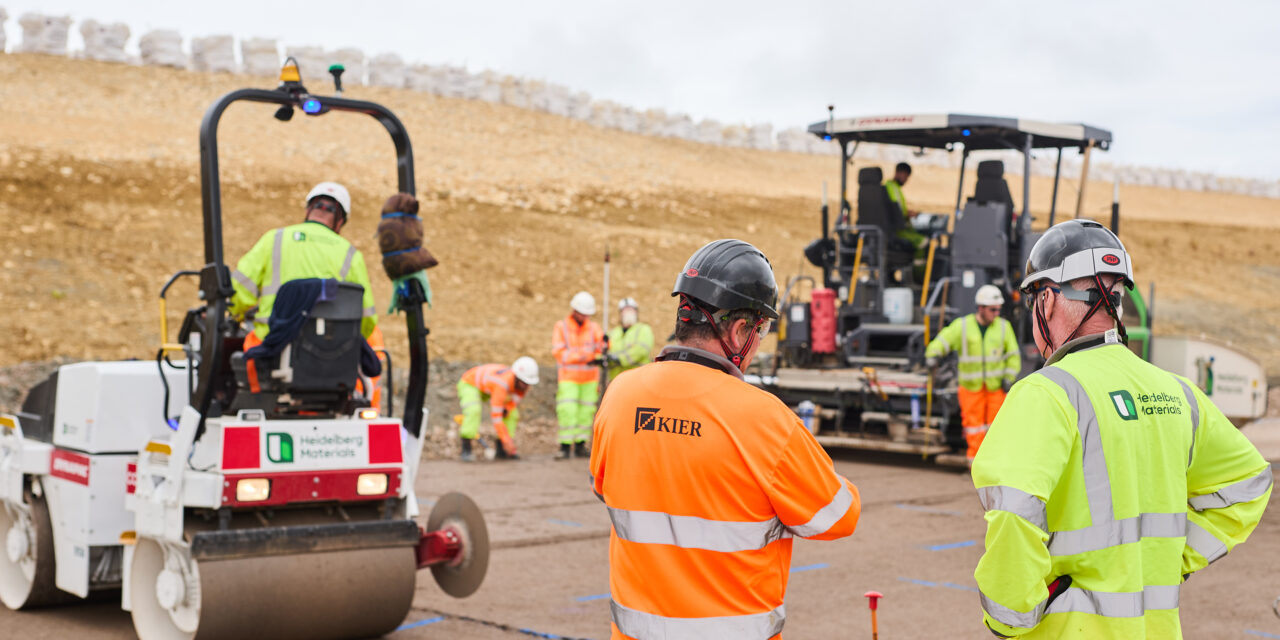
A432 bridge construction reaches milestone
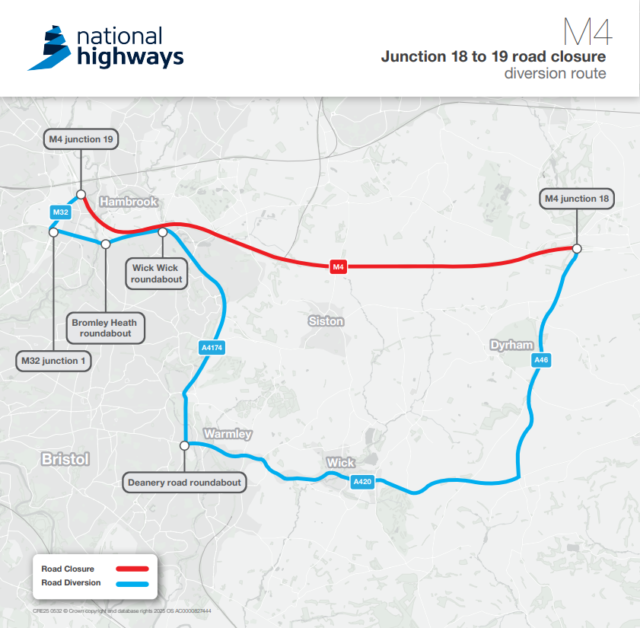
A432 Diversion Map

The M4 will be closed in both directions between junctions 18 (Bath) and 19 (M32) from 7pm Friday, 10th October to 6am Monday, 13th October.

The closure marks a key milestone for the scheme, which will see eight steel beams lifted into place across the motorway, marking the last full weekend closure of the M4 for this scheme and the final major stage of reconstruction.

Once the beams have been lifted into place, the remainder of the new bridge will be constructed with minimal disruption to the motorway below and will be open to the public in early 2026.

The new bridge – 46.5m in length and 20m wide – will span eight lanes of motorway but will be slightly wider.

This is to ensure the road lanes and pavements are wide enough to meet today’s safety standards. The barriers along the sides are higher to keep people walking and cycling safer.

Sean Walsh, Route Manager for National Highways, said: “The beam lift is a huge milestone in the construction of the new bridge, but we appreciate that any road closures can be frustrating for people.

“We need to fully close the M4 because we’ll be lifting eight 80-tonne steel beams into place, and it’s vital that we keep those doing the work and motorists safe.

“Once complete, the new bridge will help reconnect drivers, businesses and the local communities that have been impacted by the closure.”

With 3,000 to 4,000 vehicles using this section of the M4 every hour during peak weekend periods, the closure is likely to cause substantial disruption, and drivers are advised, where possible, to avoid the area and plan their journeys for alternative times.

A432 bridge construction reaches milestone
Image: National Highways

National Highways thanks people for their patience while carrying out this significant construction work, which will bring smoother, more reliable, and safer journeys for road users.

A diversion for westbound traffic will be as follows:

  • From M4 junction 18, exit the motorway roundabout to the A46 heading towards Bath
  • At the A46/A420 junction just past Pennsylvania, take the A420 towards Warmley
  • At the A420/A4174 junction in Warmley, take the A4174 towards the M32
  • Join the M32 at junction 1 and head to the M4 junction 19
  • Follow directions above in reverse for exiting at M4 junction 19

The eastbound diversion will be in reverse.

Constructed in 1966, the Badminton Road bridge was a concrete post-tensioned structure. In July 2023, a planned detailed structural investigation revealed problems on the underside of the bridge, which meant it had to be closed to traffic.

Having considered the options, demolishing and replacing the existing structure was the quickest and most economical approach to restoring this important local link.

Work is progressing well on site, and the new bridge is due to be open to traffic in early 2026.

Since the A417 Missing Link scheme hit the ground in Spring 2023, there have been nearly 2,000,000 hours of work with no RIDDOR reportable incidents – that’s the equivalent of 8,300 days of keeping workers safe on site.

Excellent safety record on the A417 Missing Link scheme

A RIDDOR reportable incident refers to Health & Safety Executive (HSE) Regulations, which must be followed if a serious incident, or specified injury, or fatality occurs, and is a standard measure across construction to monitor safety performance, all of which could mean delays to the scheme’s delivery.

Around 500 people each day are working on the £460 million transformation of the A417, an important route between Gloucester and Swindon that helps connect the Midlands/North to the South of England. It’s an alternative to the M5/M4 route via Bristol.

Since work began, the improvements scheme has also:

  • poured over 3,050 cubic metres of concrete
  • moved 1.6 million m3 of earth
  • laid 18km of drainage pipes
  • fitted 1,682 tons of reinforced and structural steel
  • laid 10,000 tons of road surfacing
  • progressed building six new bridges

Contractor Kier is carrying out the work for National Highways and is aiming to have the project open for traffic in Spring 2027.

Excellent safety record on the A417 Missing Link scheme
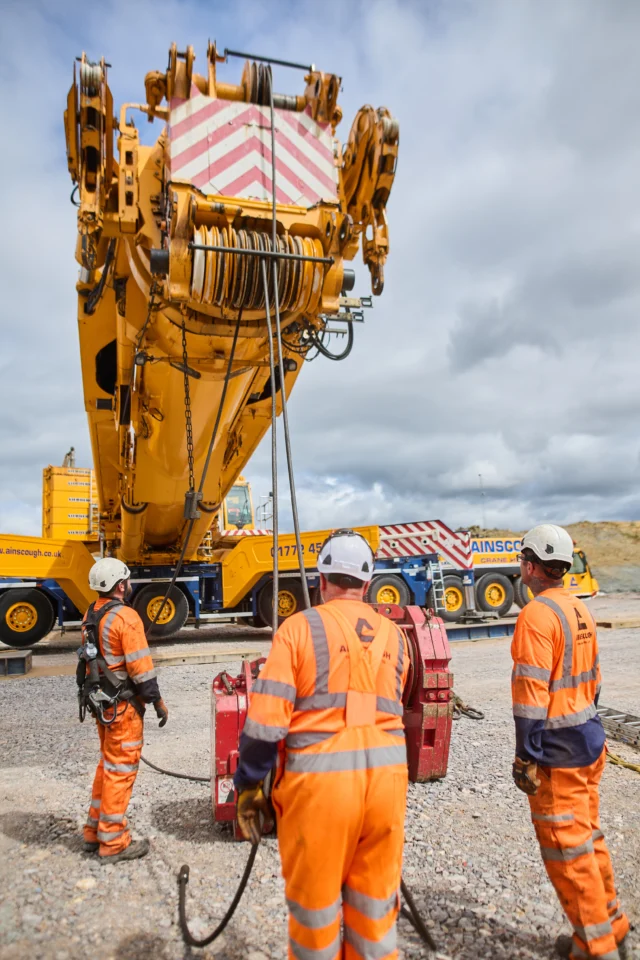
Cowley Lane overbridge bridge lift

Celine Acard, Senior Project Manager for National Highways, said: “Safety is always the number one priority for National Highways. We think nobody should be harmed while travelling or working on our roads and do all we can to try to make that happen.

“For our contractors, Kier, to record over two million working hours without a serious incident is a fantastic achievement. We are pleased that the stringent safety measures put in place on site are paying dividends, and I’m confident that it will continue to do so.”

RIDDOR, which stands for the Reporting of Injuries, Diseases and Dangerous Occurrences Regulations 2013, is a UK law that requires employers and those in control of work premises to report certain workplace incidents HSE. This includes work-related deaths, injuries, specified occupational diseases, and dangerous occurrences (near misses).

Gavin Jones, Project Director for Kier, added: “The health and safety of our people and supply chain is our number one priority, so to see this reflected in this project by achieving no RIDDOR reportable incidents since 2023 is something I am extremely proud of.”

Among measures taken by contractor Kier to ensure safety include a robust Occupational Health and Safety Management system, with the procedures strictly enforced on site; numerous industry-leading, innovative and award-winning processes, tools, and equipment have been introduced to ensure the health, safety and well-being of all team members; an open and honest culture, where everyone on the project has a voice meant issues and concerns could be dealt with quickly; and lessons learned for improvement.

The landscape-led A417 scheme is not only creating a vital transport link in the Cotswolds, but also incorporates world-class environmental practices that respect and enhance the surrounding landscape and habitats, including:

  • four miles of new dual carriageway connecting the existing A417 Brockworth bypass with the existing A417 dual carriageway south of Cowley
  • a section to the west of the existing Air Balloon roundabout that will follow the existing A417 corridor. However, the section to the south and east of the Air Balloon roundabout will be offline, away from the existing road corridor
  • a new junction at Shab Hill, providing a link from the A417 to the A436 towards Oxford and into Birdlip
  • a new junction near Cowley, to replace the existing Cowley Roundabout
  • the existing A417 between the Air Balloon roundabout and the Cowley Roundabout is being repurposed. We are converting some lengths of this existing road into a route for walkers, cyclists and horse riders, while retaining other sections to maintain local access for residents.

The latest information on the scheme is available at National Highways’ A417 Missing Link.


Severfield plc, one of the UK’s largest structural steel specialists, has confirmed an £18 million financial hit linked to remedial work on two defective bridges. The announcement has sent ripples through the infrastructure sector, raising fresh concerns over quality assurance, design review processes, and long-term risk exposure in public infrastructure delivery.

The fault, reportedly due to incorrect design assumptions and insufficient load assessments, affects a major logistics infrastructure project—though the client remains unnamed for legal reasons. These issues, detected only after installation, necessitated partial demolition and redesign, sparking a significant cost liability for Severfield.

Timeline of the Project Failure and Financial Fallout

Severfield revealed that the structural issues were discovered during post-installation load testing, which highlighted unacceptable deflections and potential long-term fatigue problems. The bridges, now subject to redesign and reinforcement, were initially hailed as flagship components of a key logistics corridor supporting freight and HGV distribution.

The company has since reached a confidential agreement with the client to jointly address the fault and mitigate further losses, though Severfield will absorb the majority of the remediation cost. Speaking to investors, Severfield noted: “We deeply regret the disruption caused by these bridge defects and are taking all necessary steps to strengthen our quality assurance and engineering oversight.”

This setback contributed to a reduction in Severfield’s adjusted operating margin, which fell to 5.4% from 6.4% the previous year, despite a modest revenue increase to £491.5 million. The total exceptional cost linked to the faulty bridges accounted for more than half of the company’s adjusted profit before tax, which was reported at £32.5 million for the year ending March 2025.

Structural Oversight and the QA Gaps Exposed

While Severfield did not explicitly blame external parties, it acknowledged that flaws emerged from a combination of design misinterpretation and inadequate stress testing. Industry insiders suggest that the issues could point to broader failings in structural engineering validation, especially for complex bridge designs exposed to heavy commercial vehicle loads.

These faults raise questions about whether early-stage risk reviews and third-party audits were sufficiently robust. It also highlights the challenge faced by contractors operating under Design and Build models, where the balance between engineering design, cost containment, and delivery timelines often creates pressure points vulnerable to error.

Financial Implications Beyond the Project

The £18 million loss is the largest single-item hit Severfield has taken in over a decade and follows a string of large infrastructure wins. The company’s share price reacted modestly, with analysts crediting Severfield’s wider portfolio diversification and strong forward order book of £508 million.

Nevertheless, there are lingering concerns about long-term reputational risk and whether future public-sector tenders may be affected. Institutional investors have begun probing governance around project assurance. According to reports, Severfield has now established an internal task force to overhaul its engineering validation protocols.

“This incident, while regrettable, has provided a catalyst for strengthening our internal procedures and client reporting systems,” a company spokesperson confirmed.

Industry-Wide Impact and Future Safeguards

The Severfield bridge faults are not an isolated case. The National Highways Authority recently cited the need for enhanced structural performance monitoring, particularly for bridges constructed using steel box girders and pre-tensioned spans. While no regulatory action has been taken against Severfield, pressure is mounting for an industry-wide response to reduce the risk of similar failures.

The Institution of Civil Engineers (ICE) has called for a revised standard for third-party design checks and post-construction performance audits. There are also growing calls for changes to procurement models, urging clients to favour collaborative design-build-operate contracts that share risk more equitably between client and contractor.

Severfield’s Recovery Strategy

Despite the challenges, Severfield remains committed to its long-term growth strategy. Its India-based joint venture, JSSL, remains profitable, and several high-profile commercial and defence contracts in the UK and Ireland are progressing on time.

The company confirmed that no further losses are anticipated from the bridge issue and that lessons learned are already being integrated into live projects. In the meantime, Severfield has suspended bidding on similarly complex bridge packages until its new QA regime has been externally validated.

“We continue to work transparently with all stakeholders to ensure structural integrity and public confidence in the built environment,” said the board in its closing remarks.

The £18 million loss incurred by Severfield on account of bridge faults is more than a corporate mishap—it is a stark warning to the UK construction sector. With infrastructure reliability under increasing scrutiny, particularly for bridges exposed to heavy vehicle traffic, the case underscores the critical need for robust engineering, clear accountability, and proactive risk management from design through to commissioning.

As Severfield moves to recover and learn from this episode, the broader construction industry must take note: in the business of bridges, shortcuts and assumptions come at a high cost.

The High Speed 2 (HS2) project, envisioned as a transformative high-speed rail network linking London to Birmingham and beyond, is undergoing a significant overhaul. The Department for Transport (DfT) has embarked on renegotiating contracts with major contractors to address persistent issues of cost overruns, delays, and poor management. This initiative follows sharp criticism from the Public Accounts Committee (PAC) and other stakeholders, who have called for a fundamental reset of the project to ensure it delivers value for money and meets its objectives.

Contract Renegotiation: Scope and Stakeholders

The renegotiation process targets the main works civils, stations, and systems supplier contracts, involving four major civil engineering joint ventures:

  • Align JV: Comprising Bouygues, McAlpine, and VolkerFitzpatrick
  • Balfour Beatty Vinci JV
  • Eiffage Kier Ferrovial Bam JV
  • Skanska Costain Strabag JV

These contracts, critical to the construction of the railway from London to Birmingham, have been criticized for their structure. According to reports, they lack sufficient incentives for timely completion, offer limited penalties for underperformance, and allow contractors to continually renegotiate scope and value, resulting in poor value for money. The renegotiations aim to address these shortcomings by pricing risks accurately, verifying historic expenditures, aligning the baseline schedule, and securing the supply chain’s commitment to new terms.

In February 2025, the Public Accounts Committee published a report titled “HS2: Update following the Northern leg cancellation,” which sharply criticized the project’s management. The report opens with a damning statement: “The High Speed Two (HS2) programme has become a casebook example of how not to run a major project.” It highlighted significant cost discrepancies, with the DfT estimating Phase 1 costs at £45-54 billion, while HS2 Ltd projected £54-66 billion. The PAC’s investigation suggested that the total cost, including inflation, could exceed £80 billion.

The report also pointed to specific failures, such as the lack of a concrete plan for the redevelopment of Euston station, which includes the Network Rail station, the underground station, and surrounding commercial and housing developments. Additionally, a bat tunnel, intended to mitigate environmental impact, escalated costs to approximately £100 million, doubling the cost of that section of the railway. The PAC questioned the balance between environmental considerations and financial efficiency.

Sir Geoffrey Clifton-Brown MP, Chair of the PAC, was unequivocal in his assessment: “The Department for Transport has failed to manage HS2 properly, and as a result, billions of pounds are likely to have been wasted through delays and overspends.” He called for a reset within the DfT, emphasizing the need for skilled staff to oversee the project and restore the department’s reputation. He expressed hope that future examinations would show improvement.

Table: Key Issues Highlighted by the PAC


The HS2 project has faced ongoing scrutiny for its escalating costs and management issues. Former HS2 Ltd chair Jon Thompson noted that the original contract structures were a primary reason for cost increases, as they provided little incentive for efficiency and minimal ability to penalize poor performance. Transport Secretary Heidi Alexander, in December 2024, acknowledged external factors like Covid and high inflation but also criticized the project’s management, citing cost underestimation and low productivity.

The Guardian reported on 22 October 2024 that contractors had taken advantage of poorly structured contracts, with Transport Secretary Louise Haigh describing the project’s delivery as “dire”. Additionally, a Construction News article from 14 March 2025 quoted a Balfour Beatty executive expressing scepticism about achieving significant savings through renegotiation, highlighting the challenge of aligning contractor and taxpayer.

The HS2 programme is undergoing a “fundamental reset,” as described by HS2 chief executive Mark Wild in December 2024. Speaking to the PAC, Wild confirmed there would be no re-procurement of existing contracts but emphasized immediate efforts to “bear down on costs,” particularly in the main works civils elements. HS2 chief financial officer Alan Foster noted that contractors recognize the need for better-aligned incentives, stating, “There’s a recognition that we need to find a better alignment of incentives between the taxpayer and the delivery of the works.”

The reset includes shifting more risk to the supply chain to enhance accountability. The DfT and HS2 Ltd are working to ensure that new contract terms are sustainable and deliver value for money. Official documents from GOV.UK indicate that recent contract awards for rail systems were approved by the Investment, Portfolio and Delivery Committee (IPDC) and subjected to rigorous Treasury and Cabinet Office oversight, with a focus on long-term affordability through the 2025 Spending Review.

However, the PAC remains unconvinced that contractors have sufficient incentives to agree to significant changes, warning that financial pressures could be passed down to smaller enterprises in the supply chain, which may struggle to absorb them. The committee has called for regular progress updates on renegotiations and a clear plan if favourable terms cannot be secured by the 2025 summer recess.

The renegotiation of HS2 contracts represents a pivotal moment for the project, aiming to address deep-seated issues of cost, efficiency, and accountability. While the DfT and HS2 Ltd are committed to a comprehensive reset, scepticism persists about the feasibility of achieving significant savings. The success of these efforts will be closely monitored by stakeholders, parliament, and the public, who are eager to see HS2 deliver on its promise of transforming UK rail connectivity. For more information on HS2 Ltd, visit https://www.hs2.org.uk/about-us/.

We are witnessing a defining moment in the UK’s green industrial revolution as the first steel structures are now being erected at the future site of the country’s largest gigafactory, located in Bridgwater, Somerset. This £4 billion mega project, led by Agratas (a Tata Group enterprise), aims to produce over 40GWh of battery cells annually—enough to support 500,000 electric vehicles per year.

Spanning over 620 acres at the Gravity Smart Campus, this new battery manufacturing plant will play a critical role in securing the UK’s position within the global electric vehicle (EV) supply chain, while revitalising local economies through thousands of direct and indirect jobs.

Precision Engineering: Steel Assembly Now Underway

Construction has now entered its vertical phase with the first steel components craned into position in late June 2025. The framing marks the initial structure of Building A, which will house the cell assembly lines and electrode processing halls. These industrial spaces demand millimetre-level precision and robust, vibration-resistant foundations, designed to support cleanroom-grade environments essential for lithium-ion cell production.

The speed of progress follows meticulous groundwork, including deep piling, utility routing, and environmental groundwork to mitigate flood risk and ensure habitat preservation on this former airfield site.

Steel Framework Rises at Britain’s Largest Gigafactory in Somerset
Image: Agratas

Clean Energy and Circular Supply Chains at the Core

Designed with sustainability at its heart, the Somerset gigafactory will integrate solar PV, rainwater harvesting, and advanced heat recovery systems to lower operational emissions. The site is also targeting a future link to local wind generation assets, positioning it among the most energy-efficient battery facilities in Europe.

Crucially, a major emphasis has been placed on the development of a circular battery ecosystem. Plans are already in motion for on-site battery recycling and the establishment of secure supply chains for raw materials such as nickel, lithium and cobalt. This will reduce dependency on volatile global markets while improving the factory’s ESG credentials.

Regional Regeneration: Employment and Skills Legacy

The gigafactory is expected to directly create up to 4,000 jobs in Somerset and contribute to the generation of around 11,000 supply chain roles nationwide. Working in collaboration with local colleges and national skills initiatives, the project is establishing a battery technology training academy to develop next-generation engineers and production technicians.

Investment in upskilling will be pivotal, with the site aiming to employ a 60% local workforce by the time full production begins in 2027. Apprenticeship schemes, STEM outreach programmes and graduate recruitment campaigns are already underway, underlining a long-term commitment to regional economic transformation.

Strategic Importance for UK EV Supply Chain

Located just off the M5 corridor and near Bristol Port, the Somerset site has been strategically chosen for logistical connectivity to both domestic vehicle manufacturers and international export routes. Major automotive clients, including Jaguar Land Rover and other Tata Motors affiliates, are expected to be among the first to benefit from the gigafactory’s output.

In a post-Brexit environment, securing sovereign battery production is vital to meet rules-of-origin regulations under the UK-EU Trade and Cooperation Agreement, while also reducing exposure to overseas supply chain disruption. The facility will directly support the UK’s ambition to end the sale of new petrol and diesel cars by 2035.

Community and Environmental Stewardship

The developers have worked closely with Sedgemoor District Council, the Environment Agency and local stakeholders to address community concerns and embed sustainability from day one. Biodiversity net gain commitments include wetland habitat creation, protected species relocation and new green corridors for wildlife.

Community benefit funds and local business incubation hubs are also planned, helping ensure that the wider Bridgwater area shares in the prosperity this investment will bring.

Final Foundations for a Battery-Powered Britain

With the first steel frame now standing, Britain’s flagship gigafactory project is transitioning from concept to reality. The build signals not just the emergence of a new industrial landmark, but a generational shift in how the UK powers its vehicles, economy and future.

This steel is more than structure—it is a symbol of the UK’s charge toward electrification, energy security and long-term industrial resilience.

Besa Logo

The Building Engineering Services Association (BESA) has taken decisive action by suspending 14 member companies from its directory following a recent audit of compliance procedures. This decision, made public in June 2025, underscores BESA’s commitment to upholding professional standards in the building services sector.

BESA’s suspension of these firms follows internal reviews that uncovered multiple breaches relating to competency standards, certification gaps, and failure to meet the updated regulatory requirements introduced under the Building Safety Act. This development has sparked serious discussions across the construction, HVAC, and building engineering sectors about quality assurance and the integrity of supply chains.

What Prompted the Suspensions?

According to industry sources, the suspended companies failed to provide adequate evidence of their continued competence and compliance with mandatory technical standards. Areas of concern included:

  • Lapsed technical accreditations, particularly around health and safety, gas and ventilation installations
  • Failure to meet CPD (Continuous Professional Development) requirements for key operatives
  • Incomplete or outdated documentation relating to competency certifications
  • Non-adherence to Building Safety Act provisions, especially concerning high-risk buildings

These suspensions are not permanent, but the companies in question must remedy their deficiencies and undergo a thorough reassessment before rejoining BESA’s membership roster.

The Impact on Contractors, Clients, and the Wider Supply Chain

Suspension from BESA’s membership list can have substantial repercussions. Many clients and main contractors rely on the BESA directory to source qualified, vetted suppliers. Losing BESA accreditation can:

  • Jeopardise existing contracts, especially on public sector or framework projects
  • Invalidate tender eligibility for clients requiring BESA affiliation
  • Damage company reputation, leading to lost business and long-term trust issues
  • Undermine supply chain confidence, increasing compliance scrutiny on partners

For the wider industry, this situation serves as a warning against complacency in standards verification. With heightened regulatory focus post-Grenfell, particularly around building safety and mechanical services, lapses in compliance can no longer be tolerated.

Strengthening Governance Across Building Services

BESA’s actions highlight the necessity of robust internal governance. Firms seeking to protect their reputation and eligibility must prioritise:

  • Routine internal audits to ensure certification and qualifications remain valid
  • Proactive CPD investment to keep pace with regulation and innovation
  • Comprehensive record-keeping to support compliance demonstrations during inspections
  • Early adoption of digital compliance tools, including automated certification tracking systems

Recommendations for Affected Businesses

Suspended firms should act swiftly to restore their status. Key actions include:

  • Engaging independent compliance consultants to identify gaps
  • Scheduling urgent re-training for technical staff
  • Auditing all project files and updating documentation
  • Engaging directly with BESA’s technical compliance team to confirm remediation pathways

Demonstrating transparency and commitment to rectifying issues is critical in expediting reinstatement.

The Role of Accreditation in a Post-Grenfell Environment

Since the Grenfell Tower tragedy, regulatory bodies have imposed strict scrutiny on the credentials of contractors working on buildings—especially high-rise and high-risk residential blocks. BESA’s response aligns with this climate of zero tolerance for lapses in competence.

The Building Safety Regulator (BSR) now works in tandem with professional bodies to monitor industry standards. Companies must expect continued cross-referencing of accreditations, certifications, and audit outcomes across multiple databases and licensing bodies.

Final Thoughts

The suspension of 14 BESA members marks a turning point in the construction and engineering services sectors. It serves as a sobering reminder that accreditation is not a one-off badge but an ongoing commitment. Industry leaders must embed compliance and training into their core operations—not as a formality, but as a cornerstone of sustainable, accountable business practice.