HomeCategory

Government Policy

Homes England has once again reaffirmed its pivotal role in driving forward sustainable housing growth across England. With hundreds of new homes backed by substantial public investment, the latest funding round is expected to unlock strategic development sites, catalyse regeneration, and accelerate the delivery of affordable housing aligned with local and national needs.

The agency’s funding packages, part of the government’s broader housing acceleration plans, are being deployed to tackle brownfield land constraints, improve local infrastructure, and support housebuilders in bringing forward quality developments that might otherwise stall due to financial or technical barriers.

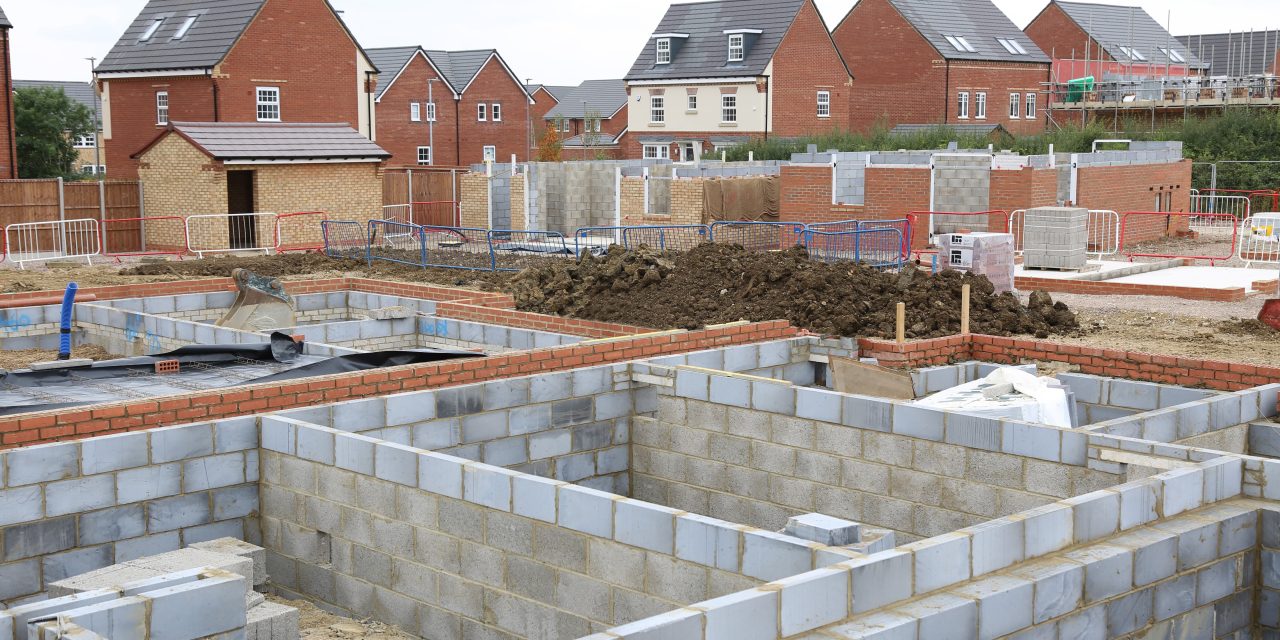
New house build Homes England
Photo by Steffen Coonan: https://www.pexels.com/photo/aerial-photo-of-brown-3-story-house-2098624/

Multi-Million Pound Allocations Support Regional Regeneration Plans

Recent announcements detail how the agency is allocating multi-million-pound grants through the Affordable Homes Programme (AHP) and the Brownfield Infrastructure Land Fund (BILF). These schemes are actively facilitating:

  • The transformation of former industrial land into thriving residential neighbourhoods
  • The delivery of new homes where market demand is acute, but financial viability remains a barrier
  • Infrastructure-led site preparation to support mixed-tenure housing solutions

Examples include:

  • Wolverhampton and the Black Country: Over £15 million committed to the preparation of contaminated land to enable the construction of more than 800 homes
  • Bradford, West Yorkshire: A £10 million investment unlocking 500 new homes, including a significant proportion of social rent properties
  • Milton Keynes: Targeted support to deliver high-density urban living in proximity to transport nodes

These projects reflect Homes England’s commitment to levelling up communities and ensuring funding supports tangible outcomes aligned with local development frameworks.

Enabling SME Housebuilders Through Tailored Investment

While much attention centres around large-scale strategic sites, Homes England’s tailored financial tools are also empowering SME builders to participate in housing delivery. By offering development finance via the Home Building Fund, the agency reduces barriers for small developers who often struggle to secure commercial loans.

Notable impact includes:

  • Increasing build-out rates on small sites under 50 units
  • Reviving underutilised plots in town centres and village cores
  • Diversifying housing design and construction methods, particularly offsite modular techniques

The move aligns with the government’s target to increase housing supply beyond the 300,000 homes per year ambition, whilst diversifying market participants and construction typologies.

Driving Sustainability and Modern Methods of Construction

Homes England funding agreements increasingly mandate the use of sustainable construction practices and encourage developers to exceed minimum energy performance standards. Many funded projects now integrate:

  • Air source heat pumps and solar PV systems
  • Modular construction to reduce onsite waste and accelerate build times
  • Biodiversity net gain initiatives across developments

Such innovations not only reduce the carbon footprint of new homes but also set a precedent for future housing policy frameworks.

Case Study: Midlands Urban Renewal Project

A flagship scheme in the Midlands exemplifies how strategic Homes England funding can transform urban dereliction into vibrant housing districts. The scheme, comprising over 1,200 homes, combines:

  • £22 million in brownfield remediation funding
  • Strategic partnership with a local housing association
  • A tenure mix of 40% affordable housing, 30% shared ownership, and 30% open market sale

The project is integrated with local bus rapid transit routes, active travel links, and green infrastructure, representing a model of sustainable urbanism.

Partnership Working with Local Authorities and Developers

Homes England operates not merely as a funding body but as an enabler and partner in placemaking. Their proactive collaboration with:

  • Combined authorities
  • Local planning bodies
  • Registered providers
  • Private sector developers

ensures alignment of investment with local priorities, infrastructure delivery, and housing need. The agency’s new Strategic Place Partnerships framework is expected to formalise these relationships, offering a consistent and scalable model for future delivery.

A Data-Led, Place-Based Approach to Housing Growth

By leveraging granular data and spatial modelling, Homes England is identifying the most impactful interventions. The agency’s place-based approach is underpinned by:

  • Market analytics on supply and demand trends
  • Site constraint modelling
  • Viability assessments and delivery risk mapping

This rigorous evidence-based methodology ensures public funds achieve maximum leverage, delivering not just homes, but cohesive communities with access to jobs, transport, and services.

Funding That Delivers on Policy, People, and Place

Homes England remains at the forefront of efforts to transform the housing landscape of England. Through strategic investments, robust partnerships, and a focus on innovation and inclusion, the agency is turning stalled sites and underperforming land into opportunity.

As local and national ambitions for housing and regeneration evolve, Homes England’s role as a delivery agency will remain central to ensuring that communities across the country benefit from new homes that are affordable, sustainable, and future-ready.

Chancellor Rachel Reeves delivered the 2025 Spring Statement amidst a backdrop of global economic uncertainty. The construction sector, a pivotal component of the UK’s economy, has closely analysed the statement’s implications. This article provides an in-depth examination of the key announcements affecting the construction industry and the sector’s reactions.

Housing and Planning Reforms

Record-Breaking Housebuilding Projections

The Office for Budget Responsibility (OBR) forecasts that annual housebuilding will reach 305,000 units by 2029, culminating in 1.3 million homes over the next five years. This figure approaches the government’s ambitious target of 1.5 million homes within the current parliamentary term.

Planning System Overhaul

To facilitate this surge in housebuilding, the government has introduced comprehensive planning reforms. These include delegating planning decisions to professional officers, establishing national development priorities, and promoting development on underutilised land. The OBR anticipates that these changes will permanently boost GDP by 0.2% by 2029/30 and 0.4% by 2034/35.

Investment in Affordable Housing

£2 Billion Funding Injection

Chancellor Reeves announced a £2 billion boost to the Affordable Homes Programme, aiming to support the construction of 18,000 new social homes. This initiative is designed to bridge the funding gap for local authorities and housing associations, ensuring the timely delivery of affordable housing.

Industry Response

The Royal Institution of Chartered Surveyors (RICS) welcomed this investment. CEO Justin Young stated that the additional funding is a significant boost for the sector and, alongside planning reforms, should increase confidence among housebuilders.

Skills Development in Construction

£600 Million Training Package

Addressing the industry’s skills shortage, the government unveiled a £600 million package to train up to 60,000 new construction workers. This funding will support various educational and apprenticeship programmes, including 35,000 construction-focused skills bootcamp places and 10,000 new construction Foundation Apprenticeships.

Industry Endorsement

Tim Balcon, CEO of the Construction Industry Training Board (CITB), praised the initiative, highlighting CITB’s commitment of £32 million to support the government’s aim and plans to double the size of their New Entrant Support Team. He emphasised the importance of attracting new talent to the industry and seizing this opportunity to equip more people with essential skills.

Infrastructure Spending and Road Maintenance

Capital Investment Increase

The government announced an additional £13 billion of capital spending over the course of this parliament, signalling a commitment to infrastructure development.

Road-Building Budget Reduction

Despite the overall increase in capital investment, England’s road-building and repair budget for the coming year has been reduced by 5%, allocating £4.8 billion to National Highways. This reduction has raised concerns about potential impacts on economic growth, road maintenance, and congestion management.

Economic Growth and Fiscal Policies

Revised Growth Forecasts

The OBR has revised down the UK’s growth forecast for 2025 from 2% to 1%. However, it predicts GDP growth of 1.9% in 2026 and growth in every year thereafter.

Inflation Projections

Inflation is expected to average 3.2% in 2025, decrease to 2.1% in 2026, and reach the Bank of England’s target of 2% from 2027.

The 2025 Spring Statement presents a mixed outlook for the UK construction industry. While substantial investments in housing, planning reforms, and skills development are poised to stimulate growth, concerns remain regarding infrastructure funding reductions and the broader economic implications of fiscal policy adjustments. The industry’s response underscores the necessity for continued collaboration with the government to navigate these challenges and capitalise on emerging opportunities.

Government unveils £350 million social housing initiative

In a move to address the UK’s escalating housing crisis, the government has announced a substantial £350 million investment aimed at enhancing the availability of affordable and social housing. This initiative underscores a commitment to providing secure homes for vulnerable populations and rectifying systemic issues within the housing sector.

The newly allocated funds are designated to bolster two primary housing programmes:

  • Affordable Homes Programme (AHP): Receiving £300 million, this programme is set to facilitate the construction of up to 2,800 additional homes, with a significant emphasis on social rent properties.
  • Local Authority Housing Fund (LAHF): Allocated £50 million, the LAHF aims to support the development of approximately 250 council homes, specifically designed to offer improved temporary accommodation for those in urgent need.

An additional £30 million is projected to be reallocated from previous funding rounds, bringing the total number of homes delivered under the LAHF to 2,700 by the conclusion of its third phase.

Concurrently, the government has articulated a robust strategy to combat the malpractices of rogue landlords who exploit the housing benefit system while neglecting property maintenance. These measures aim to safeguard vulnerable tenants from substandard living conditions and ensure that public funds are utilized appropriately.

This financial injection is a component of the broader “Plan for Change,” which aspires to construct 1.5 million homes over the next five years. The initiative seeks to address both population growth and the prevailing housing shortage, ensuring that more families have access to safe and affordable housing.

The announcement has garnered positive reactions from key stakeholders within the housing sector. Kate Henderson, Chief Executive of the National Housing Federation, emphasized the importance of this funding, stating that it reflects the government’s recognition of the necessity to increase affordable housing stock, particularly social rent homes. She highlighted that this investment would sustain momentum in delivering essential housing solutions ahead of the forthcoming Affordable Homes Programme outlined in the Spending Review.

Beyond immediate construction goals, the government is focusing on sustainable development practices. This includes the intelligent reuse of existing vacant properties to enhance habitability, foster community integration, and reduce environmental impact. Such strategies are pivotal in creating resilient housing solutions that align with modern living standards and environmental considerations.

In summary, the government’s comprehensive £350 million social housing initiative represents a significant step toward alleviating the housing crisis. Through strategic fund allocation, stringent regulation of landlord practices, and a commitment to sustainable development, this plan aims to provide secure and affordable homes for those most in need.

The Climate and Nature Bill, introduced by Liberal Democrat MP Roz Savage on 16 October 2024, has sparked significant debate within the UK’s political and industrial sectors. Aimed at establishing legally binding climate and nature targets, the bill seeks to position the UK as a leader in environmental stewardship. However, its potential impact on various industries, particularly construction, has led to widespread discussion and differing perspectives.

Countryside at sunset
Image by 0xCoffe from Pixabay

Objectives of the Climate and Nature Bill

The bill outlines three primary objectives:

  1. Reducing Greenhouse Gas Emissions: Mandating measures to align the UK’s emissions with its fair share of the global carbon budget, consistent with the Paris Agreement’s goal of limiting warming to 1.5°C.
  2. Reversing Environmental Degradation: Implementing strategies to halt and reverse environmental damage by 2030, including ecosystem restoration, species protection, and improvements in air, water, and soil quality.
  3. Establishing a Climate and Nature Assembly: Creating a temporary citizens’ assembly to advise on comprehensive strategies, thereby democratizing decision-making and fostering public engagement.

Parliamentary Proceedings and Opposition

On 24 January 2025, the House of Commons voted to end the debate on the bill by 120 votes to seven, effectively halting its progress. Critics argued that imposing legally binding targets could lead to higher costs, increased taxes, job losses, and greater reliance on imported fuels. The National Federation of Builders (NFB) supported this outcome, expressing concerns about the bill’s potential negative consequences on the construction industry.

Implications for the Construction Industry

The construction sector, particularly small and medium-sized enterprises (SMEs), plays a crucial role in implementing environmental solutions, such as integrating renewable energy into buildings and engaging in nature conservation projects. However, the NFB highlighted that these businesses often face challenges, including insolvencies. In October 2024 alone, 319 construction firms became insolvent, contributing to a total of 4,208 insolvencies that year up to October.

The NFB emphasized that while the bill’s intentions are commendable, it could inadvertently exacerbate existing challenges within the industry. They cited previous government decisions that have led to increased taxation and lower growth without yielding significant environmental benefits. For instance, the removal of the construction industry’s access to red diesel increased project costs and maintenance expenses, with most machinery still reliant on diesel fuel due to limited availability of electric alternatives.

Broader Environmental Policy Context

The debate surrounding the Climate and Nature Bill reflects broader tensions in UK environmental policy. While there is a clear need for ambitious action to address climate change and biodiversity loss, it is essential to balance these goals with economic considerations and the practical realities faced by industries.

For example, the UK’s Environment Act 2021 mandates a 10% biodiversity net gain (BNG) for most developments to improve natural habitats. However, some experts suggest that for renewable energy projects, raising the BNG requirement to at least 100% could maximize biodiversity benefits and enhance local communities’ access to nature.

The Climate and Nature Bill represents a bold step toward aligning the UK with its environmental commitments. However, its potential economic implications, particularly for the construction industry, warrant careful consideration. A balanced approach that integrates ambitious environmental targets with practical strategies to support affected industries is essential for sustainable progress.

As the UK continues to navigate the complexities of environmental legislation, it is crucial to foster collaboration among policymakers, industry stakeholders, and the public to develop solutions that are both effective and equitable.

In a decisive move to bolster the United Kingdom’s infrastructure and stimulate economic growth, the government has unveiled the “Plan for Change“. This ambitious initiative aims to streamline the planning process, accelerate major infrastructure projects, and address the nation’s housing shortage, thereby laying the foundation for a more prosperous future.

Streamlining Legal Challenges to Infrastructure Projects

A significant component of the Plan for Change involves reforming the legal framework that governs challenges to major infrastructure developments. At present, projects can face up to three legal challenges, often resulting in lengthy delays and increased costs. The new plan proposes limiting such challenges to a single instance, thereby reducing the time and resources expended on legal proceedings.

Government data reveals that 58% of all major infrastructure decisions are subjected to court challenges, with each case taking an average of 18 months to resolve. Notable projects delayed by such challenges include the East Anglia wind farms, Sizewell C nuclear power station, and the A47 National Highway Project. By restricting the number of legal challenges, the government aims to expedite project timelines and alleviate pressure on the judicial system.

Image of countryside that could be a target for Plan for Change
Image by Peter H from Pixabay

Accelerating Housing Development Near Transport Hubs

Addressing the housing crisis is a central pillar of the Plan for Change. The government has set an ambitious target to deliver 1.5 million homes within the current parliamentary term. A key strategy to achieve this goal is the promotion of residential development around England’s commuter train stations. By introducing a “presumption in favour of building” and zoning schemes prioritising development near transport hubs, the plan seeks to improve access to jobs and enhance living standards.

Inspired by successful initiatives in cities such as Manchester, these planning reforms aim to reduce bureaucratic barriers and hasten the construction of new homes. Major housebuilders have welcomed these measures, recognising them as a positive step towards more efficient planning and development.

Revitalising the Oxford-Cambridge Arc

In a bid to position the UK as a global leader in innovation, the government has revived plans to develop the Oxford-Cambridge Arc, envisioned as a rival to Silicon Valley. This initiative aims to double the economic output of the region by 2035 through significant investment in research and development. The project has the potential to add £78 billion to the UK economy and has garnered support from key stakeholders, including university leaders and major firms such as AstraZeneca UK and Arm.

However, the plan faces challenges, including local opposition to new developments, housing shortages, and infrastructure requirements. The government has pledged to address these issues, with plans to construct 1.5 million homes and prioritise development to unlock the Arc’s full potential.

Expanding Airport Infrastructure to Boost Connectivity

Improving the UK’s connectivity is another focus of the Plan for Change. The government supports major airport expansions, including a third runway at Heathrow Airport and full-time use of Gatwick Airport’s second runway. These developments aim to increase airport capacity in southeast England, stimulate economic growth, and create jobs.

The proposed third runway at Heathrow involves upgrading existing infrastructure and adhering to environmental standards. At Gatwick, a £2.2 billion investment could operationalise the second runway by the end of the decade, generating substantial economic benefits. Furthermore, Luton Airport’s expansion plans await government approval, aiming to double passenger capacity with a new terminal.

Implementing the National Infrastructure Delivery Plan

The Plan for Change aligns with the objectives outlined in the National Infrastructure Delivery Plan, which details how the government will support the delivery of infrastructure projects and programmes. The plan highlights the importance of both public and private sector investment in achieving the nation’s infrastructure ambitions.

The latest National Infrastructure and Construction Pipeline outlines projected and planned investment over the next ten years, with a total value of £600 billion. This comprehensive approach underscores the government’s commitment to revitalising the UK’s infrastructure and driving long-term economic growth.

On the Plan for Change, prime minister Keir Starmer said: “For too long, blockers have had the upper hand in legal challenges – using our court processes to frustrate growth.

“We’re putting an end to this challenge culture by taking on the NIMBYs and a broken system that has slowed down our progress as a nation.

“This is the government’s Plan for Change in action – taking the brakes off Britain by reforming the planning system so it is pro-growth and pro-infrastructure.

“The current first attempt – known as the paper permission stage – will be scrapped. And primary legislation will be changed so that where a judge in an oral hearing at the High Court deems the case Totally Without Merit, it will not be possible to ask the Court of Appeal to reconsider. To ensure ongoing access to justice, a request to appeal second attempt will be allowed for other cases.”

Melanie Leech CBE, chief executive of the British Property Federation, said: “We can build great infrastructure in the UK – eventually. From power stations to bypasses, we take longer to deliver important national projects than other developed nations, and that has to change.

“If we want to grow the economy and fund vital public services, then we have to better balance environmental and community interests with the benefits of development, and do so in a clear and timely way. Reducing the scope for vexatious and unmerited legal challenges, whilst retaining a right to appeal, is a very positive step in achieving this.”

However, Roger Mortlock, CPRE chief executive, said: “The government should bring people together to tackle the climate emergency, not set them against each other with tired, divisive language.

“Campaigners bringing legal challenges only do so because they think the law is being broken. Allowing judges to block these concerns as ‘totally without merit’ is anti-democratic and, when it comes to the climate crisis, dangerously short-sighted.

“Climate change is the single biggest threat to the countryside. It’s clear we’ve got to build a clean energy grid fit for the future but the best way to achieve this is with local communities involved from the start.

“The UK could learn from countries such as Ireland and Australia, which involve communities in decision making  from the beginning, reducing the need for lengthy and expensive legal processes without eroding democracy. For everyone’s sake, we should be building consensus, not dismissing people with real ideas and solutions as ‘blockers’.”