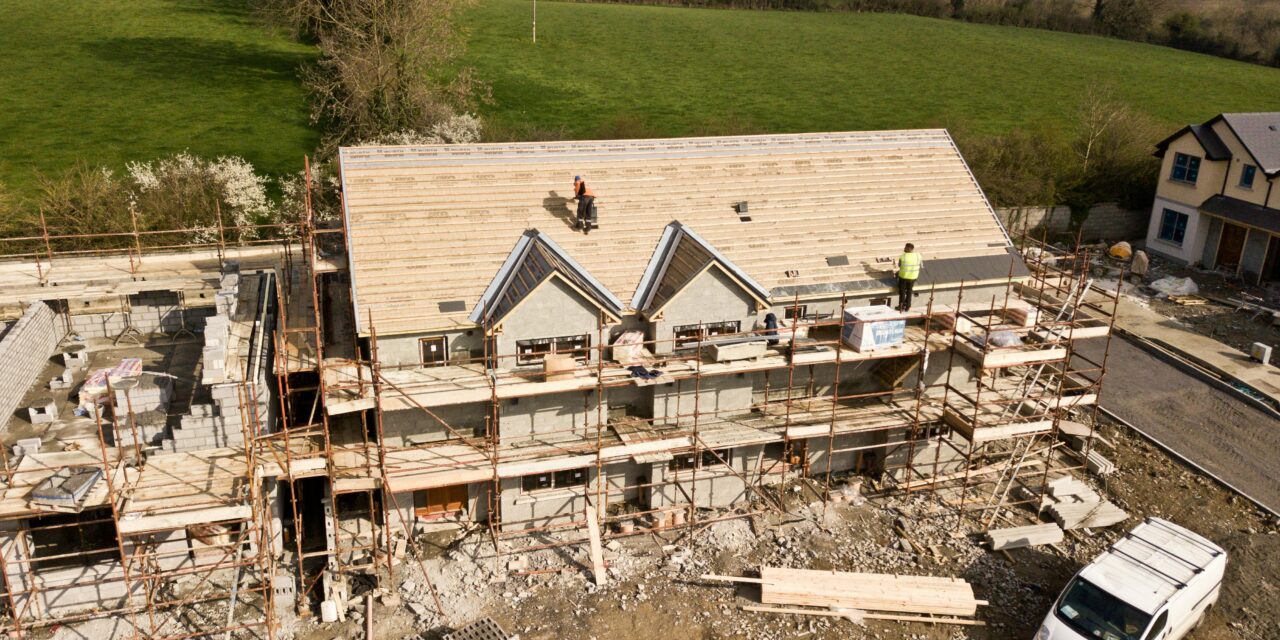
Government unveils £350 million social housing initiative
In a move to address the UK’s escalating housing crisis, the government has announced a substantial £350 million investment aimed at enhancing the availability of affordable and social housing. This initiative underscores a commitment to providing secure homes for vulnerable populations and rectifying systemic issues within the housing sector.
The newly allocated funds are designated to bolster two primary housing programmes:
Affordable Homes Programme (AHP): Receiving £300 million, this programme is set to facilitate the construction of up to 2,800 additional homes, with a significant emphasis on social rent properties.
Local Authority Housing Fund (LAHF): Allocated £50 million, the LAHF aims to support the development of approximately 250 council homes, specifically designed to offer improved temporary accommodation for those in urgent need.
An additional £30 million is projected to be reallocated from previous funding rounds, bringing the total number of homes delivered under the LAHF to 2,700 by the conclusion of its third phase.
Concurrently, the government has articulated a robust strategy to combat the malpractices of rogue landlords who exploit the housing benefit system while neglecting property maintenance. These measures aim to safeguard vulnerable tenants from substandard living conditions and ensure that public funds are utilized appropriately.
This financial injection is a component of the broader “Plan for Change,” which aspires to construct 1.5 million homes over the next five years. The initiative seeks to address both population growth and the prevailing housing shortage, ensuring that more families have access to safe and affordable housing.
The announcement has garnered positive reactions from key stakeholders within the housing sector. Kate Henderson, Chief Executive of the National Housing Federation, emphasized the importance of this funding, stating that it reflects the government’s recognition of the necessity to increase affordable housing stock, particularly social rent homes. She highlighted that this investment would sustain momentum in delivering essential housing solutions ahead of the forthcoming Affordable Homes Programme outlined in the Spending Review.
Beyond immediate construction goals, the government is focusing on sustainable development practices. This includes the intelligent reuse of existing vacant properties to enhance habitability, foster community integration, and reduce environmental impact. Such strategies are pivotal in creating resilient housing solutions that align with modern living standards and environmental considerations.
In summary, the government’s comprehensive £350 million social housing initiative represents a significant step toward alleviating the housing crisis. Through strategic fund allocation, stringent regulation of landlord practices, and a commitment to sustainable development, this plan aims to provide secure and affordable homes for those most in need.
National Highways’ Lower Thames Crossing has today (4 February 2025) revealed a new target to reduce its construction carbon emissions by 70%; an ambition made possible thanks to the project’s Delivery Partners’ and suppliers’ commitment to making the new crossing the greenest road ever built in the UK.
The improved new target has been published in the project’s second annual sustainability report, which details the legacy the project aims to leave for the local community, environment, and the UK’s construction industry.
Image: National Highways
The Lower Thames Crossing is a proposed new road and tunnel under the Thames designed to tackle congestion and unlock economic growth by almost doubling road capacity across the Thames east of London and creating a reliable route that better links the north and the midlands with the ports of the south-east.
The project is a carbon pathfinder project that is aiming to set new standards for building infrastructure by pioneering and scaling up approaches to low-carbon construction. By working closely with its three Delivery Partners and supply chain the project has halved its predicted construction carbon footprint, and it became the first major project in the UK to make it a legally binding limit when it submitted it in its application for Development Consent in October 2022.
The project has now identified ways to potentially reduce that footprint further, and has set itself an ambitious new target of less than 840,000 tonnes in total – a cut of around 70% against its original prediction. This would be achieved by taking a forensic approach to reducing carbon as the design of the new road is refined, and committing to only using low-carbon steel and concrete. It also includes removing all diesel from its construction sites by 2027, by accelerating the large-scale use of electric vehicles and plant, and using hydrogen to power its heavy construction machinery – a first for a major project in the UK. The award of the contract for the supply of hydrogen is expected to take place later this year.
The project is also in the final stages of running a low-carbon footbridge contest to find a sustainable design for a bridge over the A127, which could also be used across the wider road network.
Katharina Ferguson, Supply Chain Development Director, Lower Thames Crossing said: “The Lower Thames Crossing will not only tackle congestion and unlock economic growth in the UK, with our partners and suppliers we will create a new blueprint for how we build low-carbon infrastructure and leave a legacy of jobs, skills and green spaces for the local community. With millions invested in local projects and a new community woodland at Hole Farm on track to open next year, we’re already making a difference, well before work on the new road gets underway.”
The plans to make the Lower Thames Crossing the greenest road ever built in the UK include building a tunnel rather than a bridge to avoid protected wetlands and marshes, and seven green bridges that would provide safe crossing points for people and wildlife. The project is planting at least 1 million additional trees, creating a new community woodland at Hole Farm and new public parks in Thurrock and Gravesham. The project will also promote active travel by creating or improving almost 40 miles of pathways for walkers, cyclists and horse riders, 3 miles of path for every mile of road.
The project’s latest sustainability report highlights recent successes such as:
The team is ready to start construction as soon as the green light is given by government, with detailed design work to reduce local impacts well underway.
Local communities are already benefitting from the Lower Thames Crossing’s £250,000 Community Fund. An active travel scheme at Cyclopark in Gravesend was one of 55 local charities or not-for-profit organisations to receive money from the fund.
Prisoners on day release and local people seeking employment were the first to take part in the project’s Skills Hub pilot programme – designed to develop local skills and supply chains and address industry skills gaps.
Work got underway on the community facilities at the new Hole Farm community woodland near Brentwood, due to open in 2025 – around 80,000 trees have been planted so far, using low-carbon construction methods.
Subject to planning permission and funding, construction is expected to take six-years. The Secretary of State for Transport recently announced that the deadline for a decision on the Lower Thames Crossing’s planning application has been extended to 23 May 2025.
The Climate and Nature Bill, introduced by Liberal Democrat MP Roz Savage on 16 October 2024, has sparked significant debate within the UK’s political and industrial sectors. Aimed at establishing legally binding climate and nature targets, the bill seeks to position the UK as a leader in environmental stewardship. However, its potential impact on various industries, particularly construction, has led to widespread discussion and differing perspectives.
Reducing Greenhouse Gas Emissions: Mandating measures to align the UK’s emissions with its fair share of the global carbon budget, consistent with the Paris Agreement’s goal of limiting warming to 1.5°C.
Reversing Environmental Degradation: Implementing strategies to halt and reverse environmental damage by 2030, including ecosystem restoration, species protection, and improvements in air, water, and soil quality.
Establishing a Climate and Nature Assembly: Creating a temporary citizens’ assembly to advise on comprehensive strategies, thereby democratizing decision-making and fostering public engagement.
Parliamentary Proceedings and Opposition
On 24 January 2025, the House of Commons voted to end the debate on the bill by 120 votes to seven, effectively halting its progress. Critics argued that imposing legally binding targets could lead to higher costs, increased taxes, job losses, and greater reliance on imported fuels. The National Federation of Builders (NFB) supported this outcome, expressing concerns about the bill’s potential negative consequences on the construction industry.
Implications for the Construction Industry
The construction sector, particularly small and medium-sized enterprises (SMEs), plays a crucial role in implementing environmental solutions, such as integrating renewable energy into buildings and engaging in nature conservation projects. However, the NFB highlighted that these businesses often face challenges, including insolvencies. In October 2024 alone, 319 construction firms became insolvent, contributing to a total of 4,208 insolvencies that year up to October.
The NFB emphasized that while the bill’s intentions are commendable, it could inadvertently exacerbate existing challenges within the industry. They cited previous government decisions that have led to increased taxation and lower growth without yielding significant environmental benefits. For instance, the removal of the construction industry’s access to red diesel increased project costs and maintenance expenses, with most machinery still reliant on diesel fuel due to limited availability of electric alternatives.
Broader Environmental Policy Context
The debate surrounding the Climate and Nature Bill reflects broader tensions in UK environmental policy. While there is a clear need for ambitious action to address climate change and biodiversity loss, it is essential to balance these goals with economic considerations and the practical realities faced by industries.
For example, the UK’s Environment Act 2021 mandates a 10% biodiversity net gain (BNG) for most developments to improve natural habitats. However, some experts suggest that for renewable energy projects, raising the BNG requirement to at least 100% could maximize biodiversity benefits and enhance local communities’ access to nature.
The Climate and Nature Bill represents a bold step toward aligning the UK with its environmental commitments. However, its potential economic implications, particularly for the construction industry, warrant careful consideration. A balanced approach that integrates ambitious environmental targets with practical strategies to support affected industries is essential for sustainable progress.
As the UK continues to navigate the complexities of environmental legislation, it is crucial to foster collaboration among policymakers, industry stakeholders, and the public to develop solutions that are both effective and equitable.
In a decisive move to bolster the United Kingdom’s infrastructure and stimulate economic growth, the government has unveiled the “Plan for Change“. This ambitious initiative aims to streamline the planning process, accelerate major infrastructure projects, and address the nation’s housing shortage, thereby laying the foundation for a more prosperous future.
Streamlining Legal Challenges to Infrastructure Projects
A significant component of the Plan for Change involves reforming the legal framework that governs challenges to major infrastructure developments. At present, projects can face up to three legal challenges, often resulting in lengthy delays and increased costs. The new plan proposes limiting such challenges to a single instance, thereby reducing the time and resources expended on legal proceedings.
Government data reveals that 58% of all major infrastructure decisions are subjected to court challenges, with each case taking an average of 18 months to resolve. Notable projects delayed by such challenges include the East Anglia wind farms, Sizewell C nuclear power station, and the A47 National Highway Project. By restricting the number of legal challenges, the government aims to expedite project timelines and alleviate pressure on the judicial system.
Accelerating Housing Development Near Transport Hubs
Addressing the housing crisis is a central pillar of the Plan for Change. The government has set an ambitious target to deliver 1.5 million homes within the current parliamentary term. A key strategy to achieve this goal is the promotion of residential development around England’s commuter train stations. By introducing a “presumption in favour of building” and zoning schemes prioritising development near transport hubs, the plan seeks to improve access to jobs and enhance living standards.
Inspired by successful initiatives in cities such as Manchester, these planning reforms aim to reduce bureaucratic barriers and hasten the construction of new homes. Major housebuilders have welcomed these measures, recognising them as a positive step towards more efficient planning and development.
Revitalising the Oxford-Cambridge Arc
In a bid to position the UK as a global leader in innovation, the government has revived plans to develop the Oxford-Cambridge Arc, envisioned as a rival to Silicon Valley. This initiative aims to double the economic output of the region by 2035 through significant investment in research and development. The project has the potential to add £78 billion to the UK economy and has garnered support from key stakeholders, including university leaders and major firms such as AstraZeneca UK and Arm.
However, the plan faces challenges, including local opposition to new developments, housing shortages, and infrastructure requirements. The government has pledged to address these issues, with plans to construct 1.5 million homes and prioritise development to unlock the Arc’s full potential.
Expanding Airport Infrastructure to Boost Connectivity
Improving the UK’s connectivity is another focus of the Plan for Change. The government supports major airport expansions, including a third runway at Heathrow Airport and full-time use of Gatwick Airport’s second runway. These developments aim to increase airport capacity in southeast England, stimulate economic growth, and create jobs.
The proposed third runway at Heathrow involves upgrading existing infrastructure and adhering to environmental standards. At Gatwick, a £2.2 billion investment could operationalise the second runway by the end of the decade, generating substantial economic benefits. Furthermore, Luton Airport’s expansion plans await government approval, aiming to double passenger capacity with a new terminal.
Implementing the National Infrastructure Delivery Plan
The Plan for Change aligns with the objectives outlined in the National Infrastructure Delivery Plan, which details how the government will support the delivery of infrastructure projects and programmes. The plan highlights the importance of both public and private sector investment in achieving the nation’s infrastructure ambitions.
The latest National Infrastructure and Construction Pipeline outlines projected and planned investment over the next ten years, with a total value of £600 billion. This comprehensive approach underscores the government’s commitment to revitalising the UK’s infrastructure and driving long-term economic growth.
On the Plan for Change, prime minister Keir Starmer said: “For too long, blockers have had the upper hand in legal challenges – using our court processes to frustrate growth.
“We’re putting an end to this challenge culture by taking on the NIMBYs and a broken system that has slowed down our progress as a nation.
“This is the government’s Plan for Change in action – taking the brakes off Britain by reforming the planning system so it is pro-growth and pro-infrastructure.
“The current first attempt – known as the paper permission stage – will be scrapped. And primary legislation will be changed so that where a judge in an oral hearing at the High Court deems the case Totally Without Merit, it will not be possible to ask the Court of Appeal to reconsider. To ensure ongoing access to justice, a request to appeal second attempt will be allowed for other cases.”
Melanie Leech CBE, chief executive of the British Property Federation, said: “We can build great infrastructure in the UK – eventually. From power stations to bypasses, we take longer to deliver important national projects than other developed nations, and that has to change.
“If we want to grow the economy and fund vital public services, then we have to better balance environmental and community interests with the benefits of development, and do so in a clear and timely way. Reducing the scope for vexatious and unmerited legal challenges, whilst retaining a right to appeal, is a very positive step in achieving this.”
However, Roger Mortlock, CPRE chief executive, said: “The government should bring people together to tackle the climate emergency, not set them against each other with tired, divisive language.
“Campaigners bringing legal challenges only do so because they think the law is being broken. Allowing judges to block these concerns as ‘totally without merit’ is anti-democratic and, when it comes to the climate crisis, dangerously short-sighted.
“Climate change is the single biggest threat to the countryside. It’s clear we’ve got to build a clean energy grid fit for the future but the best way to achieve this is with local communities involved from the start.
“The UK could learn from countries such as Ireland and Australia, which involve communities in decision making from the beginning, reducing the need for lengthy and expensive legal processes without eroding democracy. For everyone’s sake, we should be building consensus, not dismissing people with real ideas and solutions as ‘blockers’.”
The Engineering Construction Industry (ECI) in Great Britain is undergoing a period of significant transformation, characterised by changing workforce demographics and mounting recruitment challenges. The Engineering Construction Industry Training Board (ECITB) has published its 2024 Workforce Census, offering a detailed analysis of these trends. This article explores the key findings of the census, focusing on workforce growth, demographic changes, and the pressing issue of skilled labour shortages.
Between 2021 and 2024, the ECI workforce grew from 83,600 to 94,680 employees, reflecting a 13.2% increase. Forecasts predict an additional 11.7% growth by 2027, underscoring the sector’s resilience and expansion.
Shifts in Sectoral Employment
Nuclear Sector: The nuclear industry has become the largest employer, accounting for 39.2% of the workforce in 2024, surpassing the oil and gas sector. This highlights its increasing importance within Britain’s energy strategy.
Renewables Sector: The renewables sector has made significant strides, nearly doubling its share of the workforce to 6.2%, driven by growth in offshore wind and biomass projects.
Geographic Distribution of the Workforce
England: England hosts 70.8% of the ECI workforce, with prominent hubs in the North West, Humber Estuary, and the Reading-London corridor.
Scotland: Scotland accounts for 17% of the workforce, concentrated in the Central Belt and Aberdeen regions.
Offshore Workers: Offshore projects employ 9.9% of the workforce, underlining their critical role within the industry.
Demographic Trends
Ageing Workforce
An ageing workforce remains a key concern, with 14.7% of employees aged over 60, up from 11.6% in 2021. Workers under 30 comprise just 16.8% of the workforce. Roles such as platers, welders, and pipefitters are particularly affected, raising alarm about skill gaps as retirements loom.
Gender Representation
The proportion of women in the workforce has risen to 16.9%, up from 13.8% in 2021. Despite this progress, significant gender disparities remain across certain roles and regions, necessitating further action to improve inclusivity.
Ethnic Diversity
While workforce diversity has improved, representation remains below that of the economically active UK population. Regional disparities are evident, with London showing higher levels of diversity compared to other areas.
Recruitment Challenges
Increasing Hiring Difficulties
In 2024, 71% of employers reported recruitment difficulties, a marked rise from 53% in 2021. Key challenges include:
Skill Shortages: A lack of candidates with the required skills and experience.
Expectation Mismatches: Misalignment between employer expectations and candidate preferences.
Geographic Barriers: Challenges in attracting talent to specific locations, with some workers reluctant to relocate.
Roles in Critical Shortage
Certain positions are particularly difficult to fill, including:
Pipefitters
Welders
Commissioning Engineers
Project Managers
These shortages highlight the urgent need for targeted training and workforce development programmes.
Strategic Recommendations
To address these challenges and secure the future of the ECI, the ECITB report outlines the following strategies:
Succession Planning: Developing plans to transfer knowledge from retiring employees to younger workers.
Upskilling Initiatives: Investing in training programmes to address skill shortages in high-demand roles.
Diversity and Inclusion: Implementing policies to improve gender and ethnic diversity within the industry.
Mobility Incentives: Encouraging workforce mobility with relocation support and other incentives.
Conclusion
The 2024 ECITB Workforce Census provides vital insights into the state of the Engineering Construction Industry in Great Britain. Addressing the skilled labour shortage is crucial to ensuring the sector’s continued growth and the successful delivery of future projects. Collaboration between industry leaders, educational institutions, and government bodies will be essential in building a skilled, diverse, and resilient workforce capable of meeting the sector’s evolving demands.
The Labour Government, under the leadership of Prime Minister Keir Starmer, has outlined a transformative plan to address the housing crisis in the UK. Angela Rayner, Deputy Prime Minister and Secretary of State for Levelling Up, Housing and Communities, has committed to delivering the “biggest boost to affordable housing in a generation,” with ambitious reforms targeting both policy and implementation.
Boosting Affordable and Social Housing
Angela Rayner has pledged to deliver 1.5 million new homes within five years, focusing on affordable and social housing. Key initiatives include:
Reinstating Mandatory Housing Targets: Following their abolition under the Conservative government, Labour has reintroduced these targets, aiming to increase housing stock across the country.
Prioritising Social Housing: Labour plans to significantly boost council housing and social homes, ensuring long-term stability for local authorities and housing associations.
Flexibility in Funding: By reforming the Affordable Housing Programme, Labour aims to unlock government grants and redirect resources to high-demand projects, enabling faster delivery of homes.
Planning System Reforms
To streamline development, Labour’s policy introduces:
Simplified Approval Processes: Brownfield land development will be fast-tracked, with a default “yes” to applications that meet planning standards.
Targeted Green Belt Development: Some grey belt areas, such as disused car parks, will be repurposed under strict guidelines, ensuring 50% affordable housing and access to essential services like schools and healthcare.
Updated Housing Needs Assessments: Calculations for land allocation will use modern data, replacing outdated metrics from 2014.
Accountability for Developers
Labour plans to hold developers accountable for their obligations to build affordable housing. Measures include:
Enhanced Oversight: A “Take Back Control Unit” will assist local authorities in negotiating with developers under Section 106 agreements.
Transparency in Viability Assessments: Standardised national guidelines will ensure developers cannot evade commitments without legitimate cause.
Balancing Aesthetics and Practicality
Labour has moved away from the Conservatives’ emphasis on “beauty” in new builds, focusing instead on “exemplary” standards for design and functionality. This approach aims to prioritise liveability and sustainability over subjective aesthetic criteria.
Addressing Private Sector Challenges
Labour’s housing strategy also includes reforms for the private rented sector, such as improving tenant protections and ensuring better regulation of leasehold arrangements. These measures are designed to tackle rising rents and insecure housing conditions.
The Long-Term Impact
Labour’s comprehensive housing strategy seeks to address the housing emergency by ensuring a stable, long-term plan. Key stakeholders, including the Chartered Institute for Housing and the National Housing Federation, have endorsed the proposals as a significant step towards resolving the crisis. With 5 million households projected to face unaffordable housing without intervention, Labour’s reforms aim to restore hope for millions across the UK.
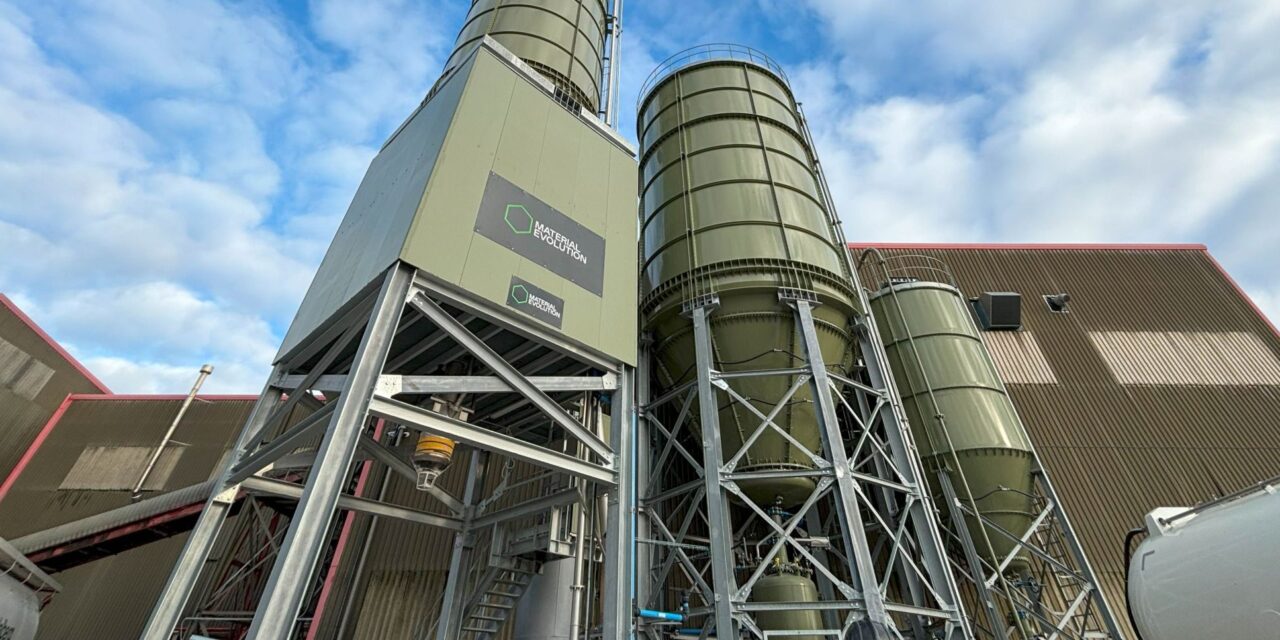
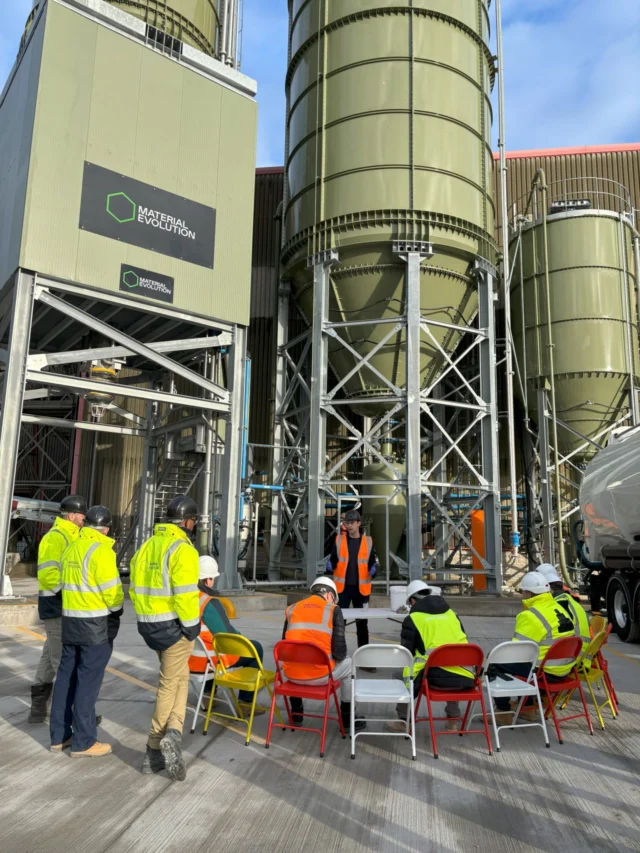
The UK’s commitment to reducing carbon emissions in the construction sector has taken a monumental step forward with the opening of the country’s largest ultra-low carbon cement plant in Wrexham. This innovative facility, built by Material Evolution is set to revolutionise the industry by providing a sustainable alternative to traditional cement production, aligning with the government’s ambitious net-zero targets.
The Role of Ultra-Low Carbon Cement in Sustainable Construction
Cement production accounts for a significant proportion of global CO₂ emissions. The advent of ultra-low carbon cement aims to address this by incorporating alternative materials and advanced technologies. The new plant in Wrexham employs a cutting-edge process to replace a substantial percentage of clinker—a primary contributor to cement’s carbon footprint—with industrial by-products and locally sourced materials.
Image: Material Evolution
Key Features of the Plant:
Advanced Manufacturing Techniques: Utilises innovative methods to reduce energy consumption and emissions.
Circular Economy Integration: Incorporates waste materials from other industries, reducing landfill dependency.
State-of-the-Art Monitoring: Implements real-time carbon tracking and optimisation systems.
Strategic Location and Economic Impact
The plant’s establishment in Wrexham is strategically significant. Its proximity to major construction hubs in the UK ensures streamlined supply chains, reducing transportation-related emissions. Furthermore, the facility is expected to generate numerous local employment opportunities, bolstering the regional economy.
Innovations Driving Change
The plant’s technology portfolio includes:
Alternative Fuels: Reduces reliance on fossil fuels by integrating renewable energy sources.
Carbon Capture Utilisation and Storage (CCUS): Pioneers methods to trap and repurpose emissions.
Digital Twin Systems: Enables predictive maintenance and optimised energy efficiency.
Environmental and Industry Impact
Carbon Footprint Reduction
The plant is projected to cut CO₂ emissions by up to 70% compared to conventional cement facilities, significantly contributing to the UK’s decarbonisation goals.
Industry Leadership
This development positions the UK as a leader in green construction technologies, fostering collaborations across Europe and beyond.
Future Prospects
The Wrexham plant is a blueprint for the future of sustainable construction. It not only aligns with global environmental goals but also sets a precedent for industrial innovation in other high-emission sectors. As the demand for eco-friendly construction materials grows, this facility is expected to catalyse further advancements in sustainable building practices.
Recent inspections have revealed welding issues affecting five National Highways bridges and four other bridges constructed by Severfield, a prominent Yorkshire based steel fabricator.
These bridges, located on key motorway routes, form part of essential infrastructure linked to the HS2 project. Deficiencies in the welds, including improper material fusion and irregular seam alignments, have raised safety concerns, prompting immediate remedial measures costing over £20m.
The Welding Deficiencies
Reports suggest the welding issues stem from deviations from agreed specifications during fabrication. This includes inadequate penetration in the weld joints, leading to reduced structural integrity. Some experts attribute the lapses to potential oversight in quality assurance processes or insufficient worker training during high-pressure project timelines. Such factors have exacerbated the problem, requiring significant follow-up interventions.
National Highways’ Response
National Highways has initiated a comprehensive review of the affected bridges. Key actions include:
Enhanced Inspections: Using advanced non-destructive testing techniques to assess the extent of structural vulnerabilities.
Interim Safety Measures: Imposing weight restrictions and rerouting traffic where necessary to mitigate risks.
Rectification Work: Collaborating with Severfield to reinforce the welds under stringent monitoring to meet regulatory standards.
A National Highways spokesperson said: “We are carrying out targeted inspections on a small number of bridges to rule out any potential issues.
“These bridges remain safe to use. For any abnormal load movements, we have put restrictions in place as a precaution while we assess whether any further strengthening measures may be required.”
Neither HS2 nor National Highways have disclosed which bridges have been affected by the welding defects.
Implications for Future Projects
The situation has prompted calls for stricter oversight in large-scale infrastructure projects. Experts recommend adopting stricter compliance frameworks and real-time monitoring during fabrication to avoid similar issues. Severfield and National Highways are reportedly revising their quality protocols to restore trust in their processes.
While the affected bridges remain under scrutiny, National Highways has assured stakeholders of its commitment to upholding safety and maintaining seamless transport networks.
The British Standards Institution (BSI) is set to publish the revised BS 9991:2024, Fire safety in the design, management and use of residential buildings – Code of practice, on 27 November 2024. This significant update addresses key fire safety standards in residential settings, incorporating lessons from recent industry changes and heightened awareness following the Grenfell tragedy.
Photo by Vladimir Shipitsin: https://www.pexels.com/photo/a-burning-house-covered-with-flames-11688880/
The new version supersedes the 2015 edition, offering enhanced guidance on fire safety measures and aligning with evolving regulations across the UK. While the Grenfell Tower Inquiry’s Phase 2 report, published in September 2024, did not specifically mandate changes to BS 9991, it reaffirmed the importance of robust, evidence-based standards.
Key Updates in BS 9991:2024
The revised standard introduces critical changes to enhance occupant safety and trust among stakeholders:
Expanded Scope: Now includes recommendations for residential care homes, a significant addition to its coverage.
Evacuation Lifts: Offers updated guidance on the design and implementation of evacuation lifts.
Sprinkler Installation: Adjusts height thresholds for mandatory sprinkler systems.
Single-Stair Buildings: Revises safety considerations for these designs, addressing a recurring concern in high-rise construction.
The updates aim to harmonise fire safety practices across the UK, bridging variations in regional regulations, including England’s Approved Document B, Scotland’s Technical Handbook 2, and Northern Ireland’s Technical Booklet E.
Scott Steedman, Director-General for Standards at BSI, emphasised the importance of this update: “The Grenfell tragedy and subsequent inquiry have brought the issue of building safety into focus for the whole sector and beyond. It is critical that we ensure all standards reflect the latest evidence.”
He highlighted that BS 9991:2024 offers comprehensive guidance on fire safety systems, ensuring effective escape routes and robust measures to protect occupants. The revisions also reflect the collective input from industry experts, regulators, and Fire and Rescue Services, following a thorough public consultation that generated over 1,800 comments.
Building a Safer Future
BS 9991:2024 aims to provide a “consensus-based mid-point” for the UK’s diverse fire safety regulations, fostering trust and compliance across the construction and property sectors. It underscores BSI’s commitment to upholding high safety standards in residential buildings and mitigating risks for both occupants and neighbouring properties.
For further details, BSI has published resources on their Standards Development Portal and is expected to host further discussions on implementing the revised guidance.
The UK government faces significant challenges as it aims to tackle both the housing crisis and the urgent need to cut carbon emissions. A dual focus on increasing the number of affordable homes and reducing environmental impact requires new approaches in construction, with timber emerging as a promising material to help achieve these objectives. Timber’s lower carbon footprint, cost-effectiveness, and renewability make it ideal for meeting government targets on both house building and emissions reduction.
Photo by Ron Lach : https://www.pexels.com/photo/construction-of-framework-of-house-with-softwood-materials-8817834/
Timber’s Potential in Housebuilding:
Speed and Efficiency
Timber, particularly when used in modular and prefabricated construction, offers remarkable efficiency. Prefabricated timber panels can be manufactured offsite and assembled quickly, reducing construction times by up to 30%. This increase in speed means more homes can be built within a shorter timeframe, helping to address the urgent demand for new housing. Compared to traditional brick-and-mortar construction, which requires longer build times and higher labour costs, timber allows for quicker project turnover and increased capacity within the housing sector.
Affordability
One of the government’s primary objectives is to make homes more affordable for first-time buyers and lower-income households. The affordability of timber construction stems largely from its production and assembly efficiencies. A timber frame costs, on average, around 10-15% less than a traditional brick structure. With streamlined building processes and reduced site time, labour costs also decrease. Additionally, timber offers improved thermal performance, reducing the energy needs of buildings and lowering long-term costs for occupants.
Reducing Supply Chain Pressures
Timber is a widely available material, and while the UK imports much of its structural timber, it can also rely on sustainable forest management and domestic suppliers to maintain a steady supply. By scaling up timber sourcing and manufacturing capacity within the UK, the construction industry can avoid some of the cost and availability issues associated with materials like steel and concrete. This reduction in reliance on imports also helps keep construction costs stable, ultimately contributing to more affordable homes.
Environmental Impact:
Carbon Storage
Trees absorb carbon dioxide as they grow, effectively locking it within their structure. When timber is used in construction, this stored carbon remains sequestered, reducing the building’s carbon footprint. This stands in contrast to materials such as concrete and steel, which release significant emissions during production. Each cubic metre of timber can store up to one tonne of CO₂, meaning that if more homes are built from timber, the UK could make substantial progress toward its emissions reduction targets.
Reduced Emissions in Production
The production of timber requires far less energy compared to concrete and steel. According to a study by the University of Cambridge, switching from traditional materials to timber for new buildings could reduce the construction sector’s emissions by approximately 30%. When used at scale, timber construction could be a critical factor in reducing the carbon output of the building industry, which currently accounts for nearly 40% of global emissions.
Renewable Resource
Timber is one of the few renewable construction materials. Through sustainable forest management, trees can be replanted and regrown, providing a long-term supply that regenerates over time. Using certified timber from sustainably managed forests ensures that the demand for wood does not lead to deforestation. With robust regulatory frameworks, the UK could further increase its use of timber while supporting global reforestation efforts, creating a cycle that is both sustainable and economically beneficial.
In recent years, innovations like cross-laminated timber (CLT) have advanced the use of wood in large-scale projects. CLT is stronger and more durable than traditional wood products, making it suitable for multi-storey buildings and more complex structures. British developers are already beginning to use these techniques to great success, with projects like Dalston Works in London, one of the largest timber structures in Europe, setting a benchmark for eco-friendly, affordable housing.
To accelerate timber’s adoption, the government could introduce policies that incentivise sustainable timber construction. Reducing VAT on timber homes or providing grants for modular construction projects could encourage developers to choose timber over traditional materials. In addition, creating a national timber industry strategy could strengthen the domestic supply chain, reducing reliance on imports and stabilising timber prices.
The UK government’s recent pledge to achieve net-zero emissions by 2050 adds a compelling reason for embracing timber in construction. By developing a supportive policy environment, the government can help meet housing demand while taking meaningful action on climate change.
Despite timber’s advantages, there are challenges to address. Public perception regarding fire safety is a concern, especially in multi-storey buildings. However, advancements in fireproofing, combined with strict building regulations, can ensure that timber structures are safe. Timber is engineered to char on the surface in the event of a fire, forming a protective layer that slows down combustion, unlike materials that can collapse or emit toxic fumes. Through effective regulation and the use of innovative materials, these risks can be managed while promoting sustainable practices.
The Path Forward: Achieving Government Targets
The UK government’s dual targets of building more homes and achieving emissions reductions align well with timber construction’s capabilities. By increasing the use of timber, the government can make significant strides towards:
Increasing the supply of affordable housing: Timber’s efficiency and cost-effectiveness enable faster project delivery and more affordable homes.
Lowering carbon emissions: Timber’s carbon storage capacity and low-energy production make it a sustainable choice aligned with net-zero targets.
Supporting a green economy: Sustainable timber sourcing can create new jobs in forestry and manufacturing while stimulating investment in the domestic timber industry.
Incorporating timber into mainstream housing policy presents a practical solution to the UK’s housing and environmental crises. As more developers and policymakers recognise its potential, timber could play a vital role in building a sustainable, affordable future for Britain’s housing sector.