Ling Developments Limited has been fined by the Health and Safety Executive (HSE) after a sustained pattern of safety failings across multiple construction sites, highlighting serious shortcomings in the company’s approach to worker welfare and regulatory compliance. The case underscores the increasing willingness of regulators to take decisive enforcement action where repeated breaches occur.
Background to the prosecution
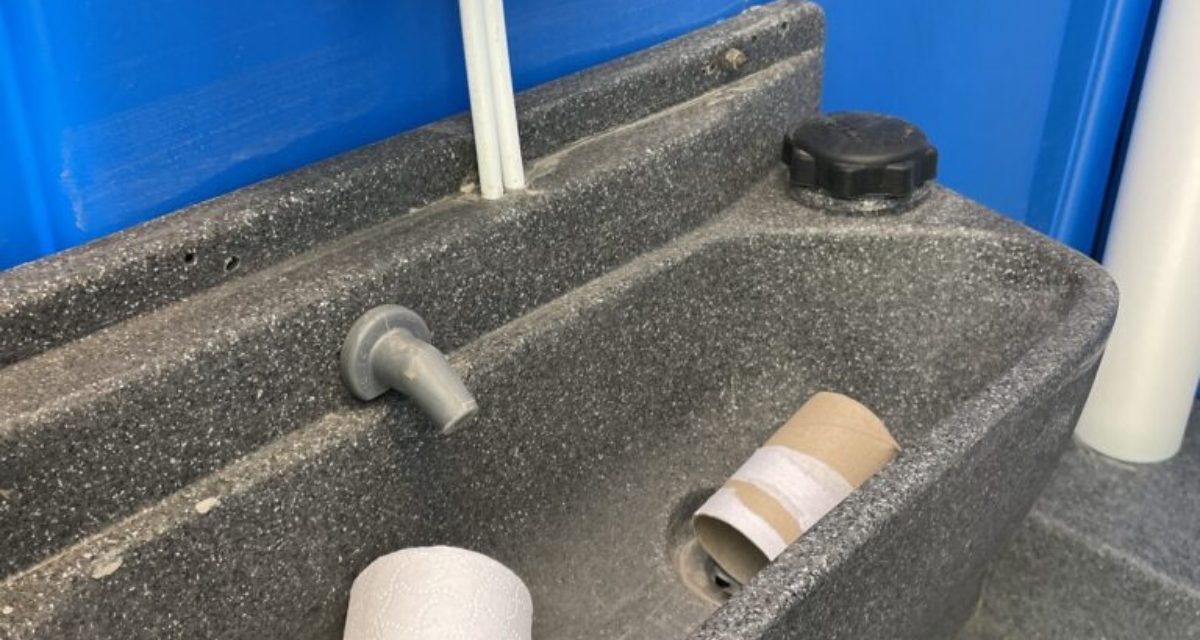
The Wolverhampton-based construction firm was investigated following an HSE inspection in April 2024 at its site in Telford. Inspectors identified fundamental failures in welfare provision, including the absence of hot or warm running water in toilet facilities and a lack of suitable rest areas for workers.
These deficiencies are not minor administrative oversights but breaches of core legal requirements under the Construction (Design and Management) Regulations 2015, which mandate that employers provide adequate washing facilities, rest areas, and provisions for workers to eat meals safely.
As a result of the inspection, HSE issued two improvement notices, legally requiring Ling Developments Limited to bring the site up to standard.
A pattern of repeated non-compliance
Crucially, the Telford inspection was not an isolated incident. Investigators found that Ling Developments Limited had breached the same regulations on three previous occasions at other sites, demonstrating a persistent failure to address known risks.
Despite earlier enforcement action and direct guidance from HSE inspectors, the company continued to provide substandard welfare facilities across four separate construction locations. This pattern of non-compliance was central to the prosecution and ultimately influenced the severity of the penalty.
The HSE concluded that the repeated breaches indicated a systemic issue within the organisation, rather than isolated lapses in site management.
Court outcome and penalties
Ling Developments Limited pleaded guilty to breaching Regulation 13(4)(c) of the Construction (Design and Management) Regulations 2015. The case was heard at Birmingham Magistrates’ Court on 13 April 2026.
The company was fined £15,858 and ordered to pay an additional £3,858 in costs.
While the financial penalty may appear modest compared to larger corporate prosecutions, the case carries significant reputational implications, particularly given the repeated nature of the offences.
HSE response and key quotes
HSE inspector Natalie Spurrier delivered a clear message regarding the importance of basic welfare standards on construction sites. She stated: “The provision of suitable welfare facilities… are the minimum all workers should expect – they aren’t a luxury.”
She further emphasised the risks posed by non-compliance: “Failing to comply with legal obligations… places workers at unnecessary risk.”
The regulator’s comments reflect a broader enforcement stance that views welfare provision as a fundamental component of site safety, not an optional extra.
Analysis: why this case matters
This prosecution highlights several important themes within UK construction safety enforcement. First, it reinforces that basic welfare provisions—such as access to clean water and rest facilities—are treated as essential legal requirements. Failure to meet these standards can trigger enforcement action even in the absence of a major incident.
Second, the case demonstrates that repeat offenders face heightened scrutiny. The fact that Ling Developments Limited had previously breached the same regulations significantly strengthened the HSE’s case and illustrates how regulators track and respond to patterns of behaviour over time.
Third, it signals a continued focus by the HSE on holding principal contractors accountable. Under current legislation, responsibility for welfare standards cannot be delegated; contractors must ensure compliance across all sites they control.
Wider implications for the construction sector
For the wider construction industry, this case serves as a cautionary example. Companies operating across multiple sites must ensure consistent compliance, as failures in one location can contribute to enforcement action across the business as a whole.
It also highlights the importance of responding promptly to improvement notices. Ignoring or inadequately addressing regulatory warnings can escalate enforcement from advisory action to prosecution.
Ultimately, the Ling Developments case reinforces a clear regulatory message: repeated neglect of worker welfare will not be tolerated, and organisations that fail to meet their legal obligations risk both financial penalties and reputational damage.