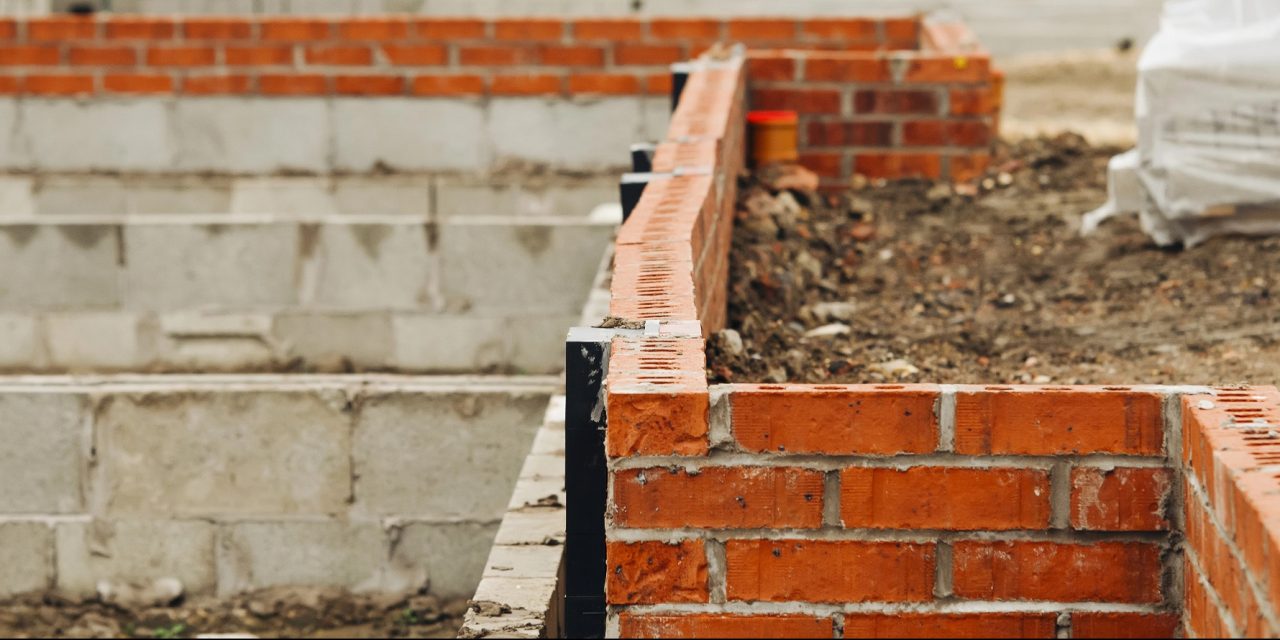
Few phrases strike as much dread into a homeowner’s heart as “cowboy builder”. Anyone who has commissioned building work, whether a loft conversion, an extension or a simple kitchen refit, will know the fear of handing over a deposit to someone who then disappears, does shoddy work, or leaves a job half-finished and moves on to the next unsuspecting victim. It is a problem that has plagued the UK construction industry for decades, and one that successive governments have struggled to get a grip on. Now, following a new announcement from Downing Street, ministers say they are finally putting the cowboys out of business.
What exactly is a cowboy builder?
The term “cowboy builder” is used to describe a tradesperson, or more often an unregulated firm posing as one, who takes on building work without the skills, qualifications or intention to complete it properly. Some cowboy builders are simply incompetent, cutting corners on materials or workmanship to save money and boost their profit margin. Others are outright fraudsters, who take large upfront payments and either vanish altogether or spin out a project for months while extracting more and more money from an increasingly desperate homeowner. Because anyone in the UK can currently call themselves a builder, with no legal requirement to hold a qualification, register with a trade body, or demonstrate competence of any kind, the industry has long been an easy target for opportunists.
The scale of the problem is considerable. Government figures show that more than one in four UK adults who carried out home improvement work in the past eighteen months experienced problems with their builder, ranging from projects abandoned halfway through to shoddy workmanship and even, in some cases, elderly homeowners being pressured into paying over the odds. More than a third of those affected faced additional costs, losing an average of £750 as a result. Across the country as a whole, people lost more than £10.3 billion in 2024 alone on home and garden maintenance work due to overcharging, unfair practices or work that simply never materialised. Beyond the financial hit, the human cost is significant too, with families left living in a building site, sometimes for months on end, and suffering the kind of stress that can affect health, relationships and daily life.
The government’s response
The prime minister, Andy Burnham, has now unveiled a package of measures designed to tackle the problem head-on. Speaking as the plans were announced, Burnham did not mince his words about the damage rogue traders cause. “Cowboy builders don’t just rip people off,” he said. “They leave families with months of stress, the disruption of unfinished work, and that horrible feeling of being taken advantage of. Not only that, but they give the vast majority of decent, hardworking tradespeople a bad name.” He added that the goal of the new measures was straightforward: “We’re putting the cowboys out of business. These changes mean you’ll now have the option to keep your money safe and release it bit by bit as the work gets done.”
At the centre of the announcement are two new initiatives. The first is an Approved Code, developed jointly by the Furniture and Home Improvement Ombudsman and the Chartered Trading Standards Institute, which building firms can sign up to in order to demonstrate that they meet higher standards of customer service, transparency and dispute resolution. The code is expected to have its first participating firms on board by the end of September, with full implementation planned for December 2026. The second, and arguably more significant, measure is a new payment platform called Trusted Payments. Rather than handing over large sums upfront, homeowners using the app will be able to link their payments to specific project milestones, releasing funds only as agreed stages of work are completed. Built on payment infrastructure provided by Stripe, with retention monies held through an independent trust arrangement, the system is designed to give both parties confidence: homeowners know their money is protected, while reputable builders are assured of prompt payment for completed work. The app is expected to be available to more than 100,000 traders by the end of September.
Business secretary Jonathan Reynolds framed the changes as part of a broader push to protect consumers, saying the government was “taking action to protect consumers, support reputable traders and make sure people can spend their money with greater confidence and security.” Downing Street has also linked the announcement to a wider series of consumer protection measures, including recent action against subscription traps and misleading discount pricing.
Industry reaction: cautious welcome, calls for more
The response from the building trade itself has been broadly positive, albeit with a significant caveat. Brian Berry, chief executive of the Federation of Master Builders, called the plans “a great move for the industry” but warned that voluntary schemes have a poor track record of solving the problem on their own. “It is a real concern that this is just another voluntary programme without regulation behind it,” he said, arguing that the long-term solution has to be a compulsory licensing scheme for building companies, since currently anyone can set up as a builder with no minimum competence requirement.
The National Federation of Builders struck a similarly supportive but pointed tone, welcoming the direction of travel while noting some overlap with existing industry codes of conduct, and suggesting the scheme could evolve into a fully digitised Building Passport that records the history of work carried out on every property. The National Federation of Roofing Contractors also backed the principle behind the reforms, though it cautioned that any new payment system “must not place an unreasonable administrative or financial burden on contractors who are simply trying to get paid fairly for work they have completed.”
What homeowners can do now
Until the new code and payment system are fully bedded in, homeowners are not without options. Checking whether a firm is genuinely registered with a recognised trade body such as the Federation of Master Builders, rather than simply claiming affiliation, remains a sensible first step, as does searching for accredited traders through TrustMark, the government-backed quality scheme. Word of mouth recommendations from neighbours or local community groups continue to be one of the most reliable ways of finding a trustworthy tradesperson, and paying at least part of any large bill by credit card offers an extra layer of protection, since card providers share liability if a firm fails to deliver. Above all, trusting one’s instincts still counts for a great deal; if something about a builder or a quote feels wrong, it usually is.
The measures announced this week will not eliminate cowboy builders overnight, and critics are right to point out that a voluntary scheme cannot force rogue traders to change their ways. But for an industry that has operated for years with virtually no formal safeguards for consumers, the combination of an accredited code of conduct and a milestone-based payment system represents a meaningful step forward, and one that reputable builders, who have long been undercut and outshouted by the cowboys, are likely to welcome.