

Heat pumps are widely promoted as a cornerstone of the UK’s low-carbon future, offering the promise of efficient, environmentally friendly heating. Yet, as adoption grows, the reality of why heat pumps succeed in certain situations — and why they sometimes fail to deliver on expectations — is nuanced. Understanding the strengths and limitations of this technology is crucial for homeowners, landlords and policymakers alike.
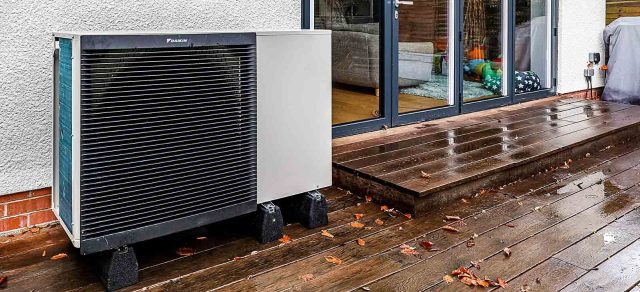
At their core, heat pumps work by moving heat from one place to another rather than generating it by burning fuel. This fundamental difference gives them a theoretical advantage: a well-designed system can produce three to four units of heat for every unit of electricity it consumes, substantially outperforming traditional gas boilers in terms of energy efficiency. In addition to heating, many heat pumps also provide cooling in the summer, adding year-round functionality that conventional boilers can’t match. Relying on electricity rather than fossil fuels also means fewer direct carbon emissions at the point of use, aligning with broader climate goals and reducing dependence on volatile gas markets.
These benefits are most pronounced in the right circumstances. Well-insulated buildings with a modern building fabric and good thermal retention provide the ideal context for a heat pump to thrive. In such properties, a heat pump can operate consistently and efficiently, spreading low-grade heat evenly and maintaining comfortable indoor temperatures without excessive cycling or supplemental heating. Upgrading to underfloor heating or larger radiators — which deliver heat effectively at the lower flow temperatures typical of heat pumps — can further enhance comfort and performance,
Yet many UK homes, particularly older stock, were built for high-temperature gas boilers and often lack the insulation and airtightness that heat pumps need to perform well. Poor insulation undermines the cost and carbon benefits by letting heat escape faster than the system can replenish it, forcing the pump to run longer and harder and reducing overall efficiency. This mismatch between technology and building fabric helps explain why households sometimes report higher running costs despite heat pumps’ theoretical efficiency advantage — especially in an environment where electricity prices remain significantly higher than gas.
The financial picture complicates matters further. The upfront cost of a heat pump installation far exceeds that of a conventional gas boiler. Typical air-source systems can cost several thousands of pounds, while ground-source versions — which draw heat from the ground rather than the air — can be considerably more expensive still. Even with government incentives like the UK’s Boiler Upgrade Scheme, which provides grants of up to around £7,500, many households find the initial investment prohibitive, particularly when insulation or heating distribution upgrades are also needed. Critics argue that subsidies disproportionately benefit wealthier households who can afford the upfront costs, limiting the technology’s reach among those who could benefit most from lower energy bills.
Cold weather performance is another area where heat pumps can fall short of expectations. Air-source heat pumps rely on extracting heat from the outside air, a process that becomes more challenging as temperatures drop. Although modern units can function in sub-zero conditions, their efficiency declines — and in very cold spells, some systems may require supplemental electrical heating elements to maintain comfort, eroding the cost benefits. This limitation is less of an issue in milder climates but becomes evident in regions with prolonged cold periods, where heat pumps struggle to match the instantaneous heat output of fossil fuel systems.
Installation quality and system design also play a pivotal role in outcomes. Heat pumps must be sized correctly and integrated into the broader heating system with care. Errors in design — such as incorrect sizing, poor placement, or failing to account for a property’s heat loss — can lead to underperformance, increased energy consumption and even dissatisfaction among owners. Unlike gas boilers, which often provide rapid bursts of heat, heat pumps deliver warmth at a slower, steadier rate. As some homeowners have noted, this “low and slow” approach feels unfamiliar and can be misinterpreted as inadequate heating if expectations aren’t properly managed.
Despite these challenges, many installations do succeed, particularly when broader retrofit strategies are adopted. Combining heat pumps with improvements to insulation, airtightness and heating distribution can unlock long-term savings and comfort gains. Some community buildings and churches, for example, are embracing heat pumps as part of wider sustainability initiatives, reflecting both practical and ethical motivations for low-carbon heating.
In summary, heat pumps can deliver energy-efficient, low-carbon heating and cooling, but their success depends on a combination of good building fabric, careful system design, realistic expectations and supportive policy. In poorly insulated homes or cold climates with high electricity prices, they may struggle to live up to the promise of cheap heat and instead lead to higher bills and dissatisfaction. As the UK pushes toward ambitious climate targets, aligning heat pump deployment with insulation upgrades and clearer communication about costs and performance will be essential to maximise their potential.
